


In 1958, the United States decided to put a human being in space. It had no rocket capable of the task, no capsule design, no flight plan, no agreed understanding of whether a human being could even function in weightlessness, and given that the Soviet Union had just placed a satellite the size of a washing machine into orbit while America’s first attempt had exploded on the launchpad in front of the world’s press, no particular reason for confidence.
What it had was a new civilian space agency, a congressional mandate, and the Cold War pressing at its back. Project Mercury was born from urgency and improvisation and produced, in five years, six successful crewed flights that transformed America’s place in the space race and, incidentally, created the template for human spaceflight that echoes in every capsule flying today.
The Seven
On 9 April 1959, NASA introduced seven men to the world. They were military test pilots, chosen from 508 candidates through a process of physical and psychological screening so invasive that participants were asked to provide stool samples and sit in isolation tanks and endure having ice water injected into their ears to test their balance. The criteria were brutally specific: under 40, under 5 feet 11 inches (the capsule had a ceiling), under 180 pounds, a bachelor’s degree in engineering or equivalent, at least 1,500 hours of flying time, qualified as a jet pilot, and graduate of a military test pilot school.
The height requirement alone eliminated most of the candidates. The capsule was not large. It had been designed, with the frank pragmatism of the early space age, to fit on top of an existing ballistic missile with the minimum of modification. The human inside it would be fitting themselves into the available space rather than the other way around.
The seven who made it through were Scott Carpenter, Gordon Cooper, John Glenn, Gus Grissom, Wally Schirra, Alan Shepard, and Deke Slayton. They were competitive, capable, individually brilliant, and collectively not entirely comfortable with what NASA wanted them to be. The agency needed public heroes, symbols of American technical prowess at a moment when American technical prowess was in urgent need of symbolising. The astronauts sold their personal stories to Life magazine for $500,000 split seven ways, portraying themselves as, in Life’s preferred phrase, patriotic, God-fearing family men.
The press was especially fond of Glenn, who was genuinely all of those things and spoke about them fluently. The others were more complicated. Grissom was a gruff, compact, working-class kid who’d flown 100 combat missions in Korea and had approximately zero interest in being a celebrity. Shepard was quietly cutting and competitive, not above sabotaging a colleague’s chances if it moved him up the flight order. Cooper was the most relaxed of the seven, possibly because he had reportedly fallen asleep in his capsule while waiting for a launch hold to clear, and if you can sleep on top of a rocket you can probably handle most things.
The press understood this was a story about brave men doing dangerous things and covered it accordingly. What the press did not always understand, and what the astronauts understood very well, was that the dangerous part was not the flying. It was the rocket.
The Mercury capsule was a cone, roughly the size of a phone box and weighed about 1,400 kilograms. It had a window that the astronauts had to fight to get included. It had a launch escape system, a tower of solid rockets mounted above the capsule, designed to pull the spacecraft free of a failing launch vehicle faster than any human could react, at any point from sitting on the pad to several kilometres above it.
And before any human being climbed inside it, every one of those systems needed to be tested, some of them repeatedly, in different failure modes, at different points in the flight envelope by a sequence of unmanned flights that ranged from elegantly successful to catastrophically absurd.
Atlas A: Where It All Started
The rocket that would eventually carry John Glenn to orbit began its test life on 11 June 1957 — five months before Sputnik — when the first Atlas A, Missile 4A, was erected at Launch Complex 14 at Cape Canaveral and ignited. After 26 seconds, the B-2 engine’s LOX feed duct collapsed and the engine shut down. Shortly thereafter the B-1 engine shut down. The missile started tumbling end-over-end until the range safety officer destroyed it. The cause was traced immediately: the engine exhaust had circulated back into the thrust section and overheated the propellant ducting. Convair wanted to install a better heat shield. The Air Force objected. The next Atlas A flight, six weeks later, failed for identical reasons.
Atlas A was a full-scale prototype intended to test the balloon structure and booster; eight were built and launched. As such it had no sustainer engine, just the two booster engines. The balloon structure, a pressure-stabilised fuselage of thin stainless steel that collapsed if unpressurised was the Atlas’s most radical feature, and the one that engineers were least sure would survive flight loads. It survived. The engines were the problem. Of eight Atlas A flights in 1957 and 1958, only three were fully successful.
One useful thing did emerge from the Atlas development programme that has nothing to do with rockets. The Atlas skin, welded together from thin stainless steel sheets, was prone to corrosion in the salt atmosphere near the ocean. Convair contracted with the Rocket Chemical Company of San Diego to develop a coating that would displace water and protect the skin. It took 40 attempts to get the formulation correct, hence Water-Displacing formula 40, or WD-40. The lubricant found in workshops and garages across the world was invented to stop an ICBM rusting at Cape Canaveral.
The Atlas B introduced the full 1.5-stage system, two booster engines dropping away at altitude with the sustainer continuing to burn and achieved the first orbital flight of any Atlas variant in February 1959, placing the SCORE communications satellite in orbit. The Atlas C refined the design further. By the time NASA needed a rocket for Mercury’s orbital missions, the Atlas D was entering service and its reliability record, while improving, remained alarming. In 1960 and 1961, all Atlas tests combined yielded a success rate of just over 50 percent. The Mercury astronauts had been shown a demonstration Atlas D launch on 18 May 1959. It exploded 62 seconds after liftoff.
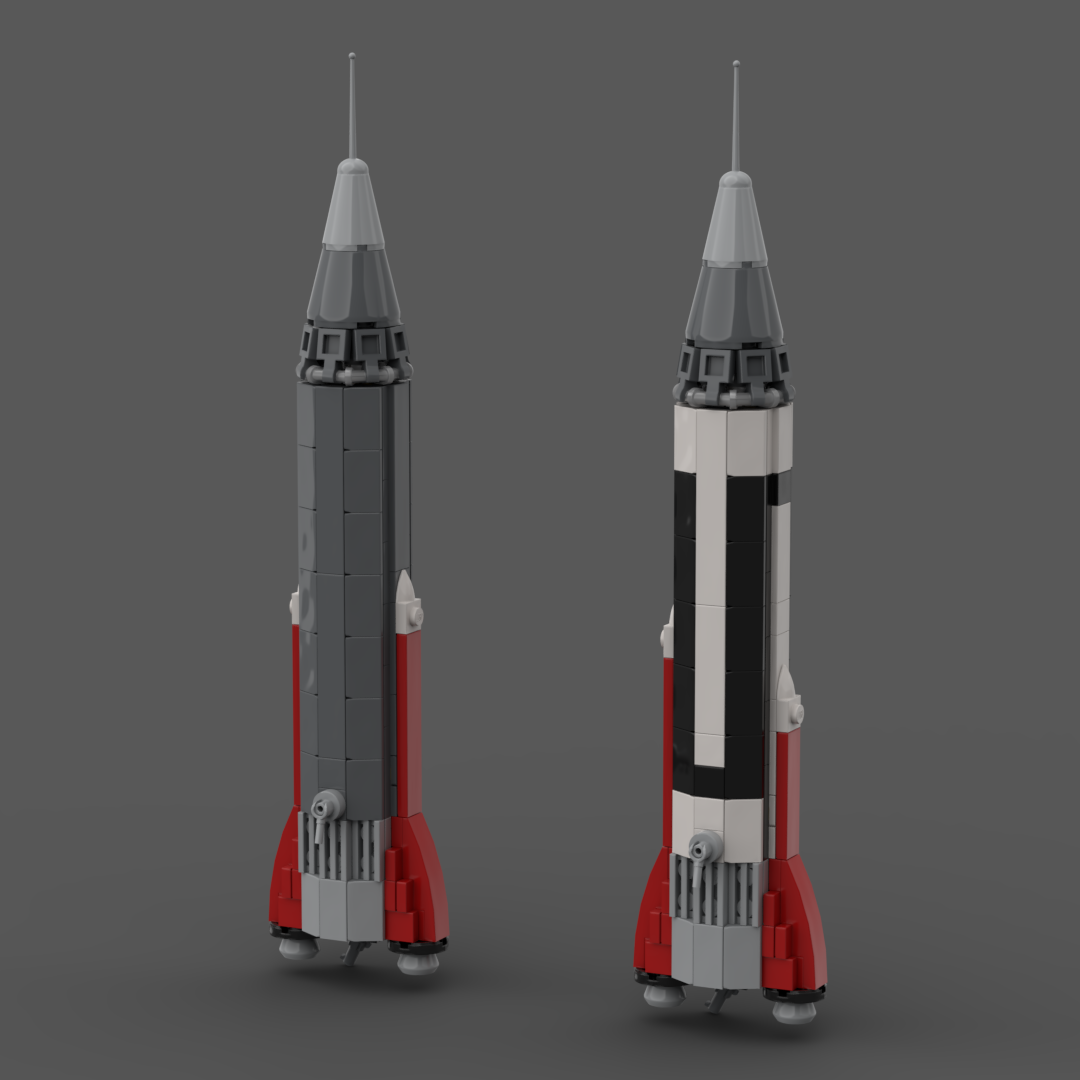
Atlas A (SM-65A)
Atlas A (SM-65A)
1st launch attempt:
Launch Site:
Orbital Type:
Country of Origin:
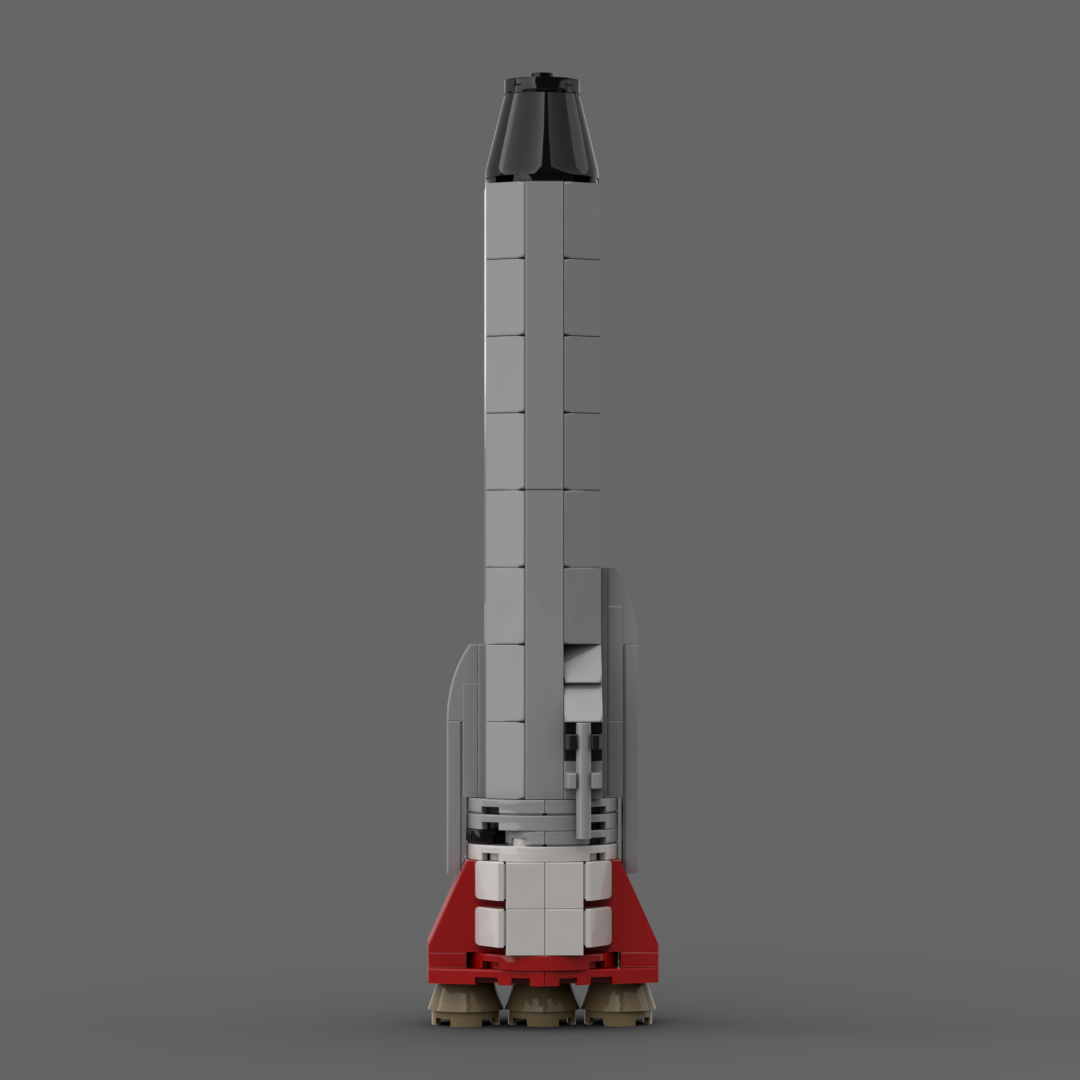
Atlas B (SM-65B)
Atlas B (SM-65B)
1st launch attempt:
Launch Site:
Orbital Type:
Country of Origin:
Little Joe: The Cheap and Clever Workhorse
The problem with testing an escape system on a Redstone or an Atlas was cost. The Atlas rockets cost approximately $2.5 million each and even the Redstone cost about $1 million per launch. Mercury needed many test flights across the escape system’s full operating envelope. NASA could not afford to use full operational rockets for all of them, and more to the point, the operational rockets were in short supply and high demand from the Air Force.
The solution conceived was to cluster four solid-fuel Sergeant rockets, to boost a full-scale Mercury capsule above the stratosphere. The resulting vehicle, built for approximately $200,000 each, one-fifth the basic cost of the Redstone was named Little Joe. The name came from a slang term for a roll of four in craps. It was unguided, its trajectory determined entirely by the angle of its launch rail and used various combinations of Pollux, Castor, and small Recruit solid motors to achieve the altitude and speed required for each specific test. It was the first rocket ever designed solely for crewed spacecraft qualification, and it was in its characteristically American way, built from whatever was already available.
Little Joe’s first flight, on 21 August 1959, failed before it started. Thirty-five minutes before the scheduled launch time with the area evacuated, an explosive flash occurred. When the smoke cleared, only the capsule-and-tower combination had been launched, on a trajectory similar to an off-the-pad abort. The booster and adapter-clamp ring remained intact on the launcher. An electrical transient in a relay circuit had fired the escape system prematurely, sending the capsule sailing upward without its rocket, deploying its parachutes, and landing in the Atlantic while the Little Joe booster sat on the pad wondering what had happened.
The second attempt, designated LJ-6, because Mercury flight numbers reflected mission objectives rather than chronological sequence successfully launched on 4 October 1959, carrying a boilerplate capsule on a five-minute flight that proved the Little Joe rocket was a viable test vehicle. The remaining flights built systematically through the escape system’s operating envelope. LJ-1A in November 1959 tested the abort system under maximum aerodynamic loading, the “max q” region of the flight profile, where air resistance on the vehicle is greatest and where an emergency escape would be most physically demanding. The test was only partially successful; the escape system didn’t fire at exactly the right moment, but enough data was returned to be useful.
LJ-2 in December 1959 carried a passenger: a rhesus monkey named Sam, an acronym for School of Aerospace Medicine. Sam experienced 3 minutes and 13 seconds of weightlessness before the escape capsule separated as planned and was successfully recovered from the Atlantic Ocean. LJ-1B in January 1960 carried Miss Sam, another rhesus monkey, in a test specifically designed to study the effects of rapid deceleration on a primate during an abort at maximum dynamic pressure. Miss Sam reached 9.3 miles altitude, experienced the abort sequence as planned, and was recovered by Marine helicopter 30 minutes after launch. Sam and Miss Sam were both recovered in good condition.
LJ-5 in November 1960 was the first to carry a real production Mercury spacecraft rather than a boilerplate. It failed when the escape motor fired prematurely at 15 seconds, destroying the spacecraft. LJ-5A in March 1961 was the repeat attempt, partial success, insufficient data. LJ-5B in April 1961, the final Little Joe flight, achieved its objectives despite one motor failing to ignite on schedule. In eight launch attempts, Little Joe had fulfilled its mission, proving that the Mercury escape system could perform its job under the harshest conditions expected in a crewed Mercury flight.
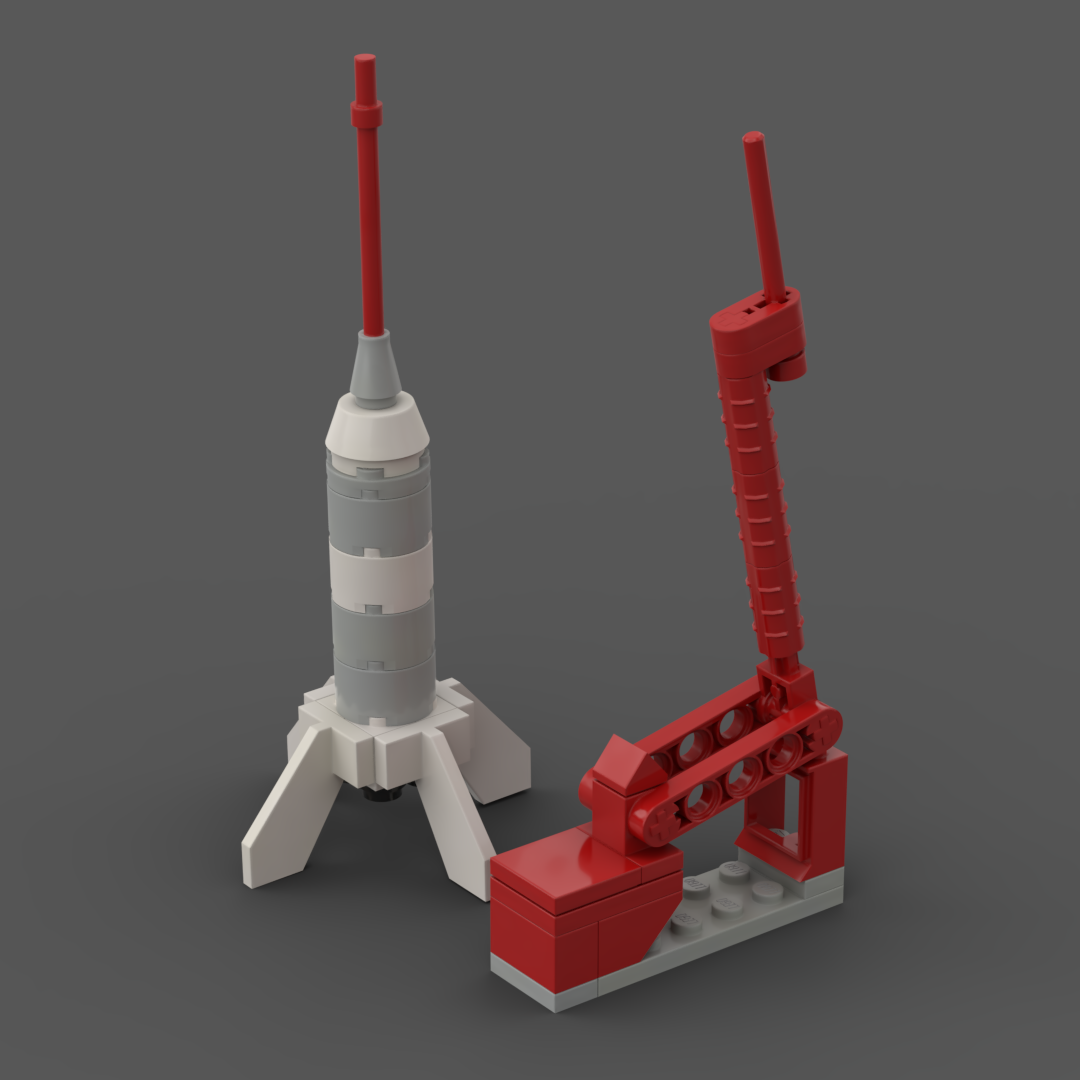
Little Joe I
Little Joe I
1st launch attempt:
Launch Site:
Orbital Type:
Country of Origin:
The Beach Abort: Testing the Worst Case
Alongside the Little Joe programme, NASA needed to test the one scenario that no rocket could simulate: what happened if a launch vehicle failed catastrophically at the moment of ignition, not at altitude, not during ascent, but on the pad itself, with flames already beneath the rocket? This was the job of the Beach Abort.
The Beach Abort was an unmanned test of the Mercury spacecraft launch escape system. Objectives were a performance evaluation of the escape system, the parachute and landing system, and recovery operations in an off-the-pad abort situation. The test took place at NASA’s Wallops Island test facility on May 9, 1960. There was no rocket. The capsule and its escape tower sat on a simple stand on the beach, pointed skyward.
When the escape rockets fired, the capsule was pulled upward, separated from the tower, deployed its parachutes, and descended into the Atlantic. The flight lasted 1 minute, 16 seconds, reached an apogee of 2,465 feet, and achieved a top speed of 976 mph. The spacecraft was recovered by Marine helicopter 20 minutes after liftoff. It was a success, the capsule survived intact, the parachutes deployed correctly, and the recovery worked.
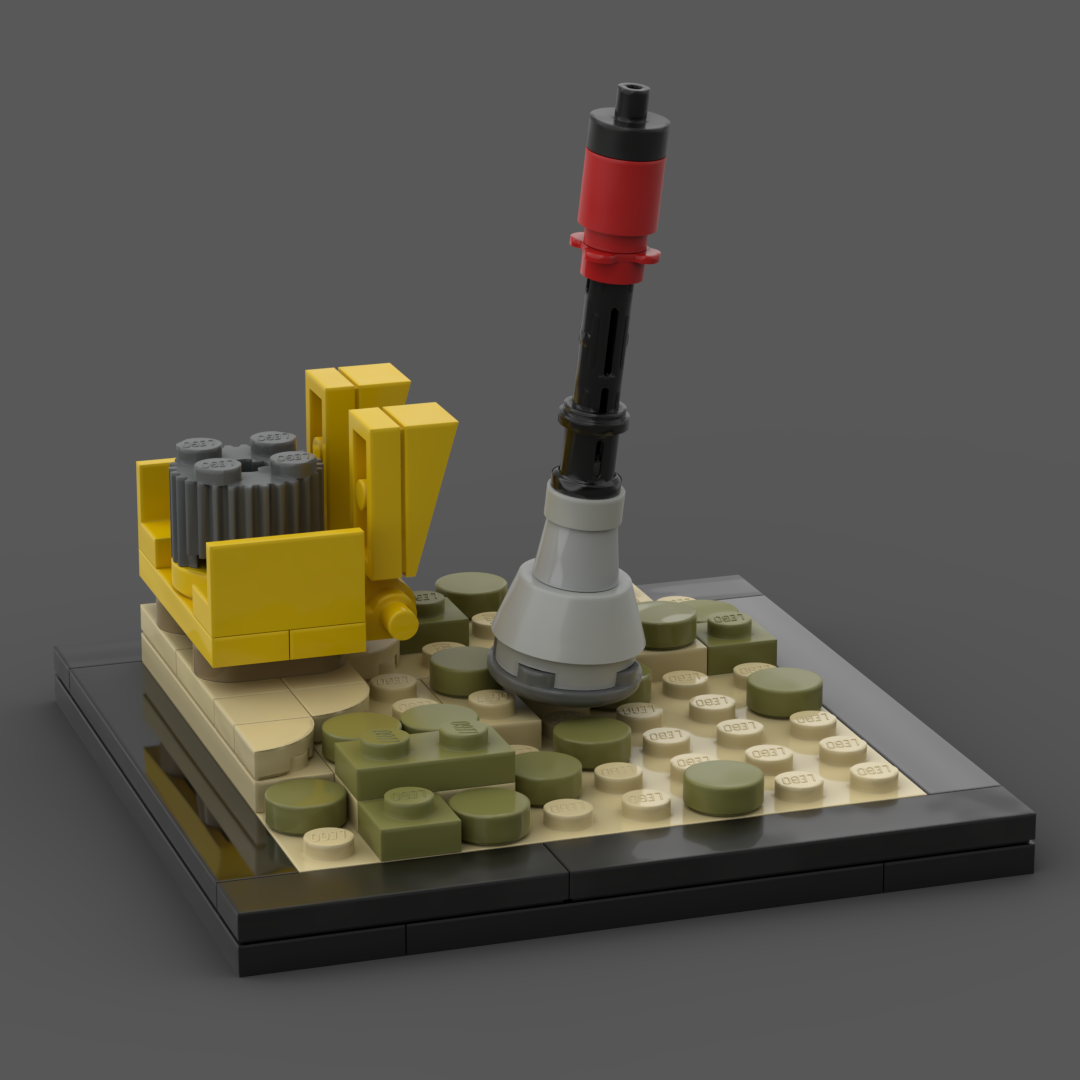
Beach Abort
Beach Abort
1st launch attempt:
Launch Site:
Orbital Type:
Country of Origin:
The Four-Inch Flight
Mercury-Redstone 1 was supposed to be the first unmanned verification of the complete spacecraft-and-Redstone combination, a qualification flight to prove the full system before any chimp or astronaut trusted their life to it. On 21 November 1960, at 09:00 Eastern Standard Time, the engine ignited. The launch vehicle settled back on the pad with only slight damage after rising a few inches off the pad due to premature loss of electrical ground power to the booster.
Since the rocket had received a shutdown signal, the full automatic abort sequence proceeded with complete impartiality: the escape tower and recovery sequence was initiated. The escape tower fired and landed 400 yards away. The capsule’s drogue, main, and backup parachutes all deployed, and the green dye marker was released. All of this occurred while the capsule was still attached to the launch vehicle, sitting on the pad. The rocket stood there, vertical, intact, draped in deflated parachutes, its escape tower smoking in the distance. Range safety could not approach for several hours because the vehicle was still fuelled and technically armed. Engineers eventually crept up and carefully depressurised it.
The cause was a mismatched cable connector that had separated in the wrong sequence, sending a shutdown signal at the exact moment of ignition. It was fixed for the next attempt, MR-1A, which flew successfully six weeks later. But the four-inch flight had done something unexpected: it had tested the escape system perfectly, inadvertently, for the exact scenario it was designed to handle. The system had detected a shutdown, correctly initiated the abort sequence, and recovered the capsule intact. Everything had worked exactly as designed.
Big Joe and the Atlas Question
While the Little Joe programme was qualifying the escape system, NASA needed to know whether the Mercury capsule’s heat shield would survive the violence of orbital reentry. Little Joe couldn’t provide orbital velocities. The Atlas could, barely, and with considerable anxiety on the part of everyone watching.
On 9 September 1959, two momentous launches occurred simultaneously on opposite coasts of the United States. At Vandenberg Air Force Base in California, the Air Force was launching Atlas 12-D as the qualification test of the operational ICBM, the final proof that the weapon system worked. At Cape Canaveral, NASA was launching Atlas 10-D carrying a boilerplate Mercury capsule, the Big Joe test, on a 2,000-mile ballistic arc over the Atlantic to test the heat shield at near-orbital reentry velocities. The two tests were independent but deeply intertwined: if the Air Force’s Atlas failed that morning, NASA’s confidence in the rocket was gone; if NASA’s test failed, the programme’s most critical unknown remained unresolved.
Atlas 10-D, having failed to stage, performed only marginally and was classed a failure by the Air Force. The booster engines didn’t separate cleanly, which meant the capsule came down 800 kilometres short of the planned recovery zone, a significant miss by any measure. But the capsule itself descended exactly as designed, and when it was recovered, the heat shield told a clear story: it had worked. An important characteristic of the Mercury design was demonstrated: that the spacecraft could reenter the atmosphere at high angles of attack and maintain the heat shield forward attitude without the aid of a control system. The passive stability of the capsule’s shape, that blunt-end-forward cone, kept it correctly oriented through reentry without needing thrusters or guidance systems to hold it there. Big Joe 2 was cancelled because it was no longer needed. The one partly-failed flight had answered the essential question.
The high failure rate during the first test flights of this cutting-edge ICBM was especially important to track. Mercury-Atlas 1 in July 1960 exploded 40 seconds after launch when aerodynamic pressure collapsed the fuselage. The thin steel skin buckled, the capsule tumbled, and the range safety officer destroyed it. Mercury-Atlas 3 in April 1961 failed when its autopilot malfunctioned and the vehicle flew straight up instead of pitching over; the range safety officer destroyed that one too. Between Big Joe in September 1959 and Glenn’s orbital flight in February 1962, four of the six Atlas tests flown specifically for Mercury experienced significant failures.
This is the context in which John Glenn’s bravery should be understood. He knew the Atlas’s history. He had watched them explode. The Atlas success rate in 1960 and 1961 was just over 50 percent across all launches. He climbed into Friendship 7 anyway, sat atop the missile while the countdown ran, and when Scott Carpenter said “Godspeed, John Glenn,” he was asking for precisely the kind of speed that only one entity was positioned to provide.
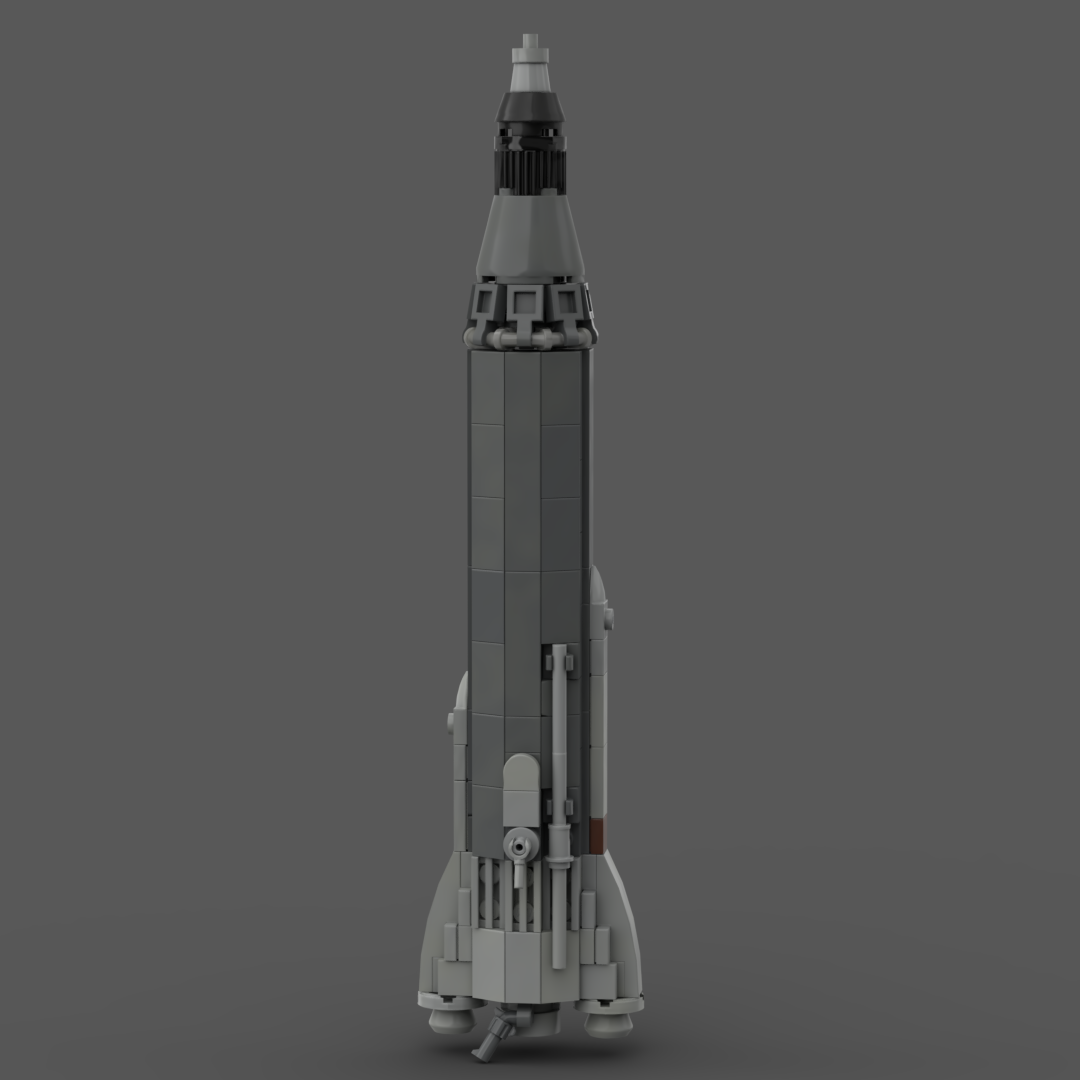
Big Joe 1 – Atlas LV-3B
Big Joe 1 – Atlas LV-3B
1st launch attempt:
Launch Site:
Orbital Type:
Country of Origin:
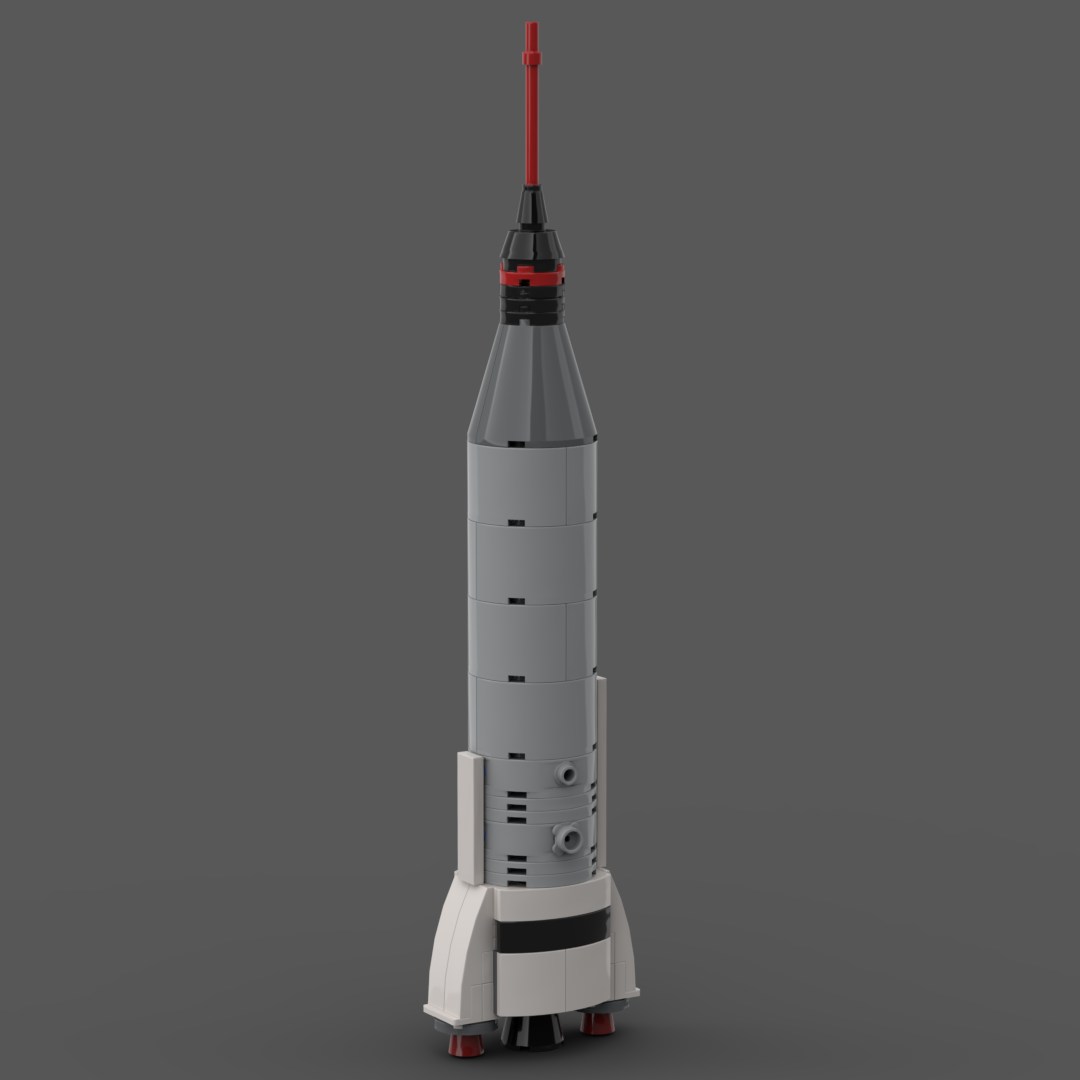
Atlas D (Mercury)
Atlas D (Mercury)
1st launch attempt: 9 September 1959
Launch Site: Cape Canaveral, Florida
Orbital Type: Orbital
Country of Origin: United States
Ham: The Reluctant Pioneer
On 31 January 1961, a 37-pound chimpanzee known until that morning as No. 65 was loaded into a Mercury capsule atop a Redstone rocket at Cape Canaveral. He had eaten baby cereal, condensed milk, vitamins, and half an egg for breakfast. He had been waiting in the capsule for several hours. He was not publicly called Ham when he went into space, NASA reportedly wanted to avoid bad publicity should a named animal be killed. The name, an acronym for Holloman Aerospace Medical Center was only widely used when he returned safely.
The flight did not go entirely to plan. A malfunction caused the Redstone to burn longer than intended, reaching an altitude of 157 miles and a speed of 5,857 mph rather than the planned 115 miles at 4,400 mph, landing 422 miles downrange rather than the anticipated 290 miles. Ham experienced 14.7g during reentry, nearly three times what had been planned. The capsule landed hard and took on water, and Ham spent three and a half hours bobbing in the Atlantic before the recovery ship reached him.
When the capsule was opened he was alive, uninjured, and visibly unhappy about the entire situation. His lever-pushing performance in space was only a fraction of a second slower than on Earth, demonstrating that tasks could be performed in space. He was given an apple and half an orange. He appeared, in photographs taken immediately after recovery, to be expressing a view about the experience that could not be printed in a family magazine.
Ham gained instant fame and was featured in numerous articles, on magazine covers, and on television many times. Three months later, Alan Shepard became the first American in space. LIFE photographer Ralph Morse, who had covered both men, observed that whenever people called Shepard the first American in space, he liked to remind them of a chimpanzee who had beaten him to it. Ham never flew again. He spent 17 years at the Smithsonian Zoo in Washington, largely alone, before being transferred to the North Carolina Zoological Park, where he died in 1983.
Before John Glenn could orbit the Earth, a second chimp named Enos would have to do it first and Enos’s flight was, if anything, worse. A stuck thruster lever meant that every correct answer Enos gave in his task sequence triggered a painful electric shock. Enos was shocked 76 times for giving the correct answer.
A chimpanzee who had not chosen to be there, doing everything right, being repeatedly punished for it, in an overheating spacecraft with a stuck thruster, in orbit above the planet, it was either a dark satire of the training methodology or a remarkably accurate preview of how space programmes treat their most capable participants. The flight was cut short after two orbits. Enos was recovered alive and eventually cleared Glenn’s flight. He died the following year of an unrelated illness.
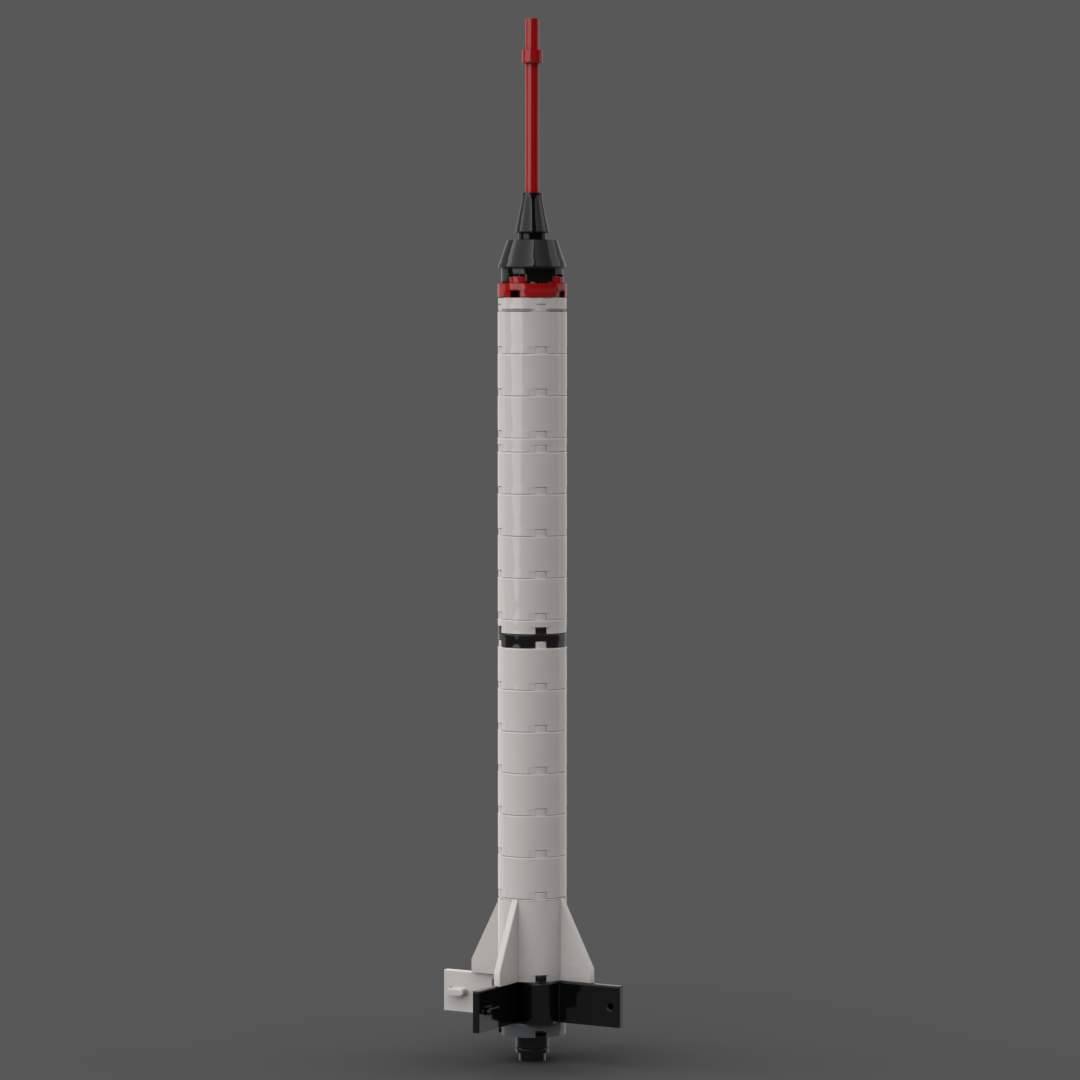
Mercury-Redstone
Mercury-Redstone
1st launch attempt: 21 November 1960
Launch Site: Cape Canaveral, Florida
Orbital Type: Sub-Orbital
Country of Origin: United States
Shepard, Grissom, and the Capsule That Sank
Alan Shepard flew first. On 5 May 1961 three weeks after Yuri Gagarin had completed a full orbit of the Earth, converting American urgency into something closer to panic. Shepard climbed into Freedom 7 atop a Redstone at Launch Complex 5. The flight lasted 15 minutes and 22 seconds, reached 116 miles altitude, and travelled 303 miles downrange before splashing into the Atlantic. It was not an orbit. Shepard was careful to say so. He was also the first American in space, which the country celebrated with ticker-tape parades and a congressional medal and a phone call from President Kennedy. Three weeks after Gagarin, it was enough.
Gus Grissom flew the second suborbital mission on 21 July 1961, in Liberty Bell 7 a name he had chosen because the capsule was shaped like a bell, and because it evoked the Liberty Bell, and because he thought the crack painted on the side was funny. He would later, ruefully, stop finding it funny. The flight went as expected until just after splashdown, when the hatch cover, designed to release explosively in an emergency, accidentally blew. Water poured into the capsule. Grissom instantly threw himself out the hatch and swam away from the sinking spacecraft.
The helicopter crew, thinking he was OK and following their training, moved in to hook onto Liberty Bell 7. The water flowing into the capsule made it too heavy for the helicopter, which at one point had all three wheels in the water. The pilots got an engine overheating warning light. Forced to unhook, the crew watched the capsule slip beneath the waves. Grissom, meanwhile, was slowly sinking, water leaking into his suit through an open inlet valve he hadn’t closed, the helicopter rotor wash pushing him under. He waved frantically. The crew returned and pulled him out.
Liberty Bell 7 was eventually recovered in 1999, from 16,000 feet down, deeper than the Titanic, by a Discovery Channel expedition. The capsule was found in surprisingly good condition. Inside were 40 Mercury dimes, some dollar bills rolled tight and tucked into wire harnesses by technicians, and Grissom’s personal souvenirs. The evidence from the recovered capsule was consistent with the hatch blowing from outside. Sixty years after the event, research into enhanced film footage of the recovery suggested the most likely cause was a static discharge from the recovery helicopter’s antenna cutting tool, which had inadvertently detonated the explosive bolts.
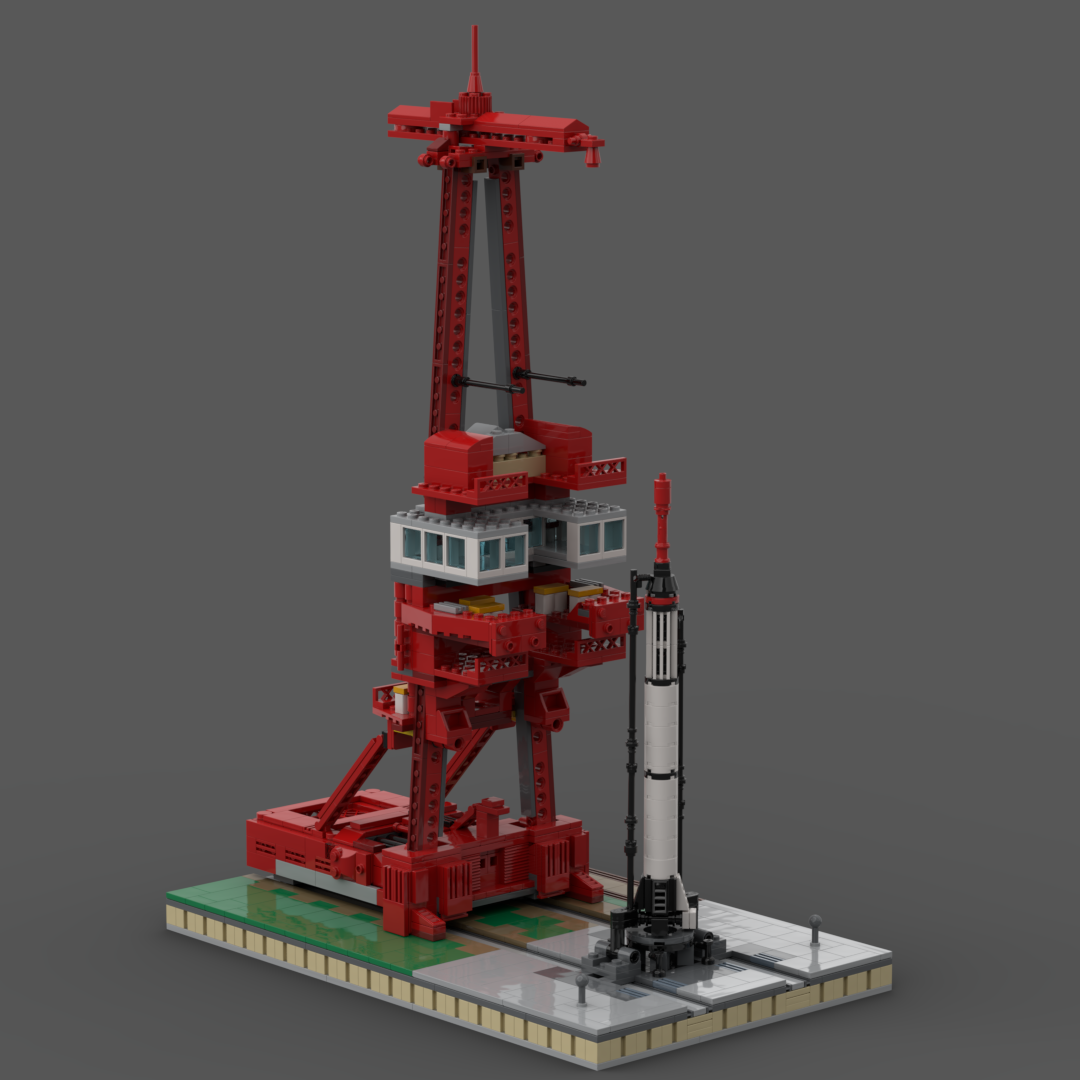
Launch Complex 5
Launch Complex 5
1st launch attempt:
Launch Site:
Orbital Type:
Country of Origin:
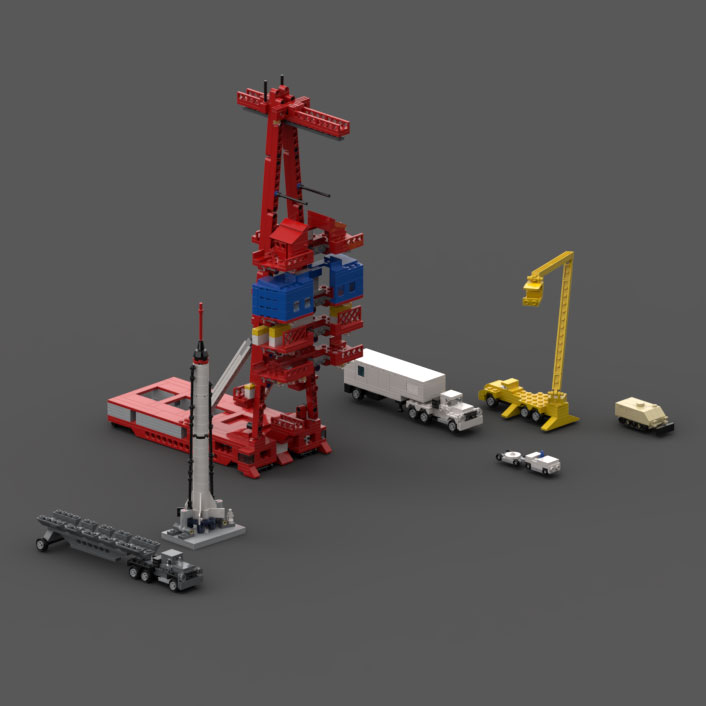
Mercury Redstone set
Mercury Redstone set
1st launch attempt:
Launch Site:
Orbital Type:
Country of Origin:
Friendship 7
John Glenn’s orbital mission had been delayed ten times. Cloud cover, a broken microphone bracket, a sheared bolt on the hatch. By 20 February 1962, the delays had heightened public anticipation to something close to national prayer. At the moment of launch, Scott Carpenter, Glenn’s fellow astronaut, serving as capsule communicator said four words that became one of the most remembered phrases in spaceflight history: “God speed, John Glenn.” Glenn didn’t hear them until after the flight. Carpenter said the words had come to him at the moment. He had simply wanted to ask for the speed Glenn needed, and thought it appropriate to ask a higher power.
The Atlas D rocket, a machine whose development history included enough explosions to make any reasonable engineer nervous, placed Friendship 7 into orbit without incident. Glenn became the first American to orbit the Earth. He reported that he was surrounded by what appeared to be luminescent fireflies, thousands of tiny glowing particles drifting past his window. Mission Control, puzzled, logged the observation. They were later identified as frost crystals from condensation on the capsule’s skin, knocked free by thruster firings and glittering in the sunlight. Glenn, floating above the planet, had watched ice.
Beginning his second orbit, a warning light indicated a possible problem with the heat shield. The telemetry suggested it might be loose, that the bag designed to cushion splashdown had deployed early, potentially releasing the shield that was all that stood between Glenn and incineration during reentry. Flight Control advised Glenn to leave on the retro-rocket pack in the rear of the spacecraft with the hope it would keep the shield secure. They did not tell Glenn the full reason. He was advised simply not to jettison the retro pack after firing, which was unusual but not alarming if you didn’t know why. He asked. The answers he received were technically accurate and deliberately incomplete. Glenn completed his three orbits and began reentry.
During the descent, chunks of the retro pack burned past his window in orange and red fragments. He asked mission control if those were the retro package or the heat shield. They told him it was the retro pack. He said he understood. The heat shield held. He splashed down safely in the Atlantic after 4 hours, 55 minutes. President Kennedy flew to the Cape to congratulate him. Glenn addressed a joint session of Congress. The warning light, it was later determined, had been a faulty sensor. The heat shield had been fine all along.
Glenn was kept from flying again for years, because Kennedy considered him too important a national symbol to risk losing. He left NASA in 1964, went into politics, and served as a US Senator from Ohio for 24 years. In 1998, at age 77, he flew again on Space Shuttle Discovery as a payload specialist, ostensibly to study the effects of spaceflight on the elderly, practically because John Glenn wanted one more flight and the programme found a way to give him one. He remains the oldest person ever to fly in space. He died in 2016 at age 95.
The Last Four and What They Proved
Scott Carpenter, on Aurora 7 in May 1962, overshot his landing zone by 250 miles after a series of attitude control problems and became briefly feared lost before being found floating in his life raft in the Caribbean. He was the only Mercury astronaut to fly in space only once. Wally Schirra, on Sigma 7 in October 1962, flew a textbook six-orbit engineering mission and splashed down within five kilometres of the recovery ship, executed with the cool precision that characterised everything Schirra did. He is the only person to fly in Mercury, Gemini, and Apollo.
Gordon Cooper’s Faith 7 in May 1963 was the last and longest Mercury flight, 22 orbits, 34 hours and very nearly ended in catastrophe. An electrical failure knocked out most of the automatic control systems. Cooper flew the final reentry manually, using the window, a watch, and his knowledge of the capsule’s attitude to aim himself at the Pacific. He splashed down four miles from the recovery ship, the most accurate reentry of the programme, executed entirely by hand when the systems he was supposed to rely on had failed. It was in the view of many engineers who worked on Mercury, the finest piece of flying the programme produced.
Deke Slayton never flew Mercury. He had been assigned to a mission, but a minor heart irregularity, an occasional heart murmur that caused him no symptoms and was detected only on the electrocardiogram grounded him in 1962. He became Chief of the Astronaut Office, the person who assigned every other astronaut to every other mission for the next decade, serving as the backstage architect of American human spaceflight through Gemini and Apollo while never leaving the ground. He finally flew in 1975, at age 51, on the Apollo-Soyuz Test Project, the last flight of the Apollo programme. He had waited thirteen years.
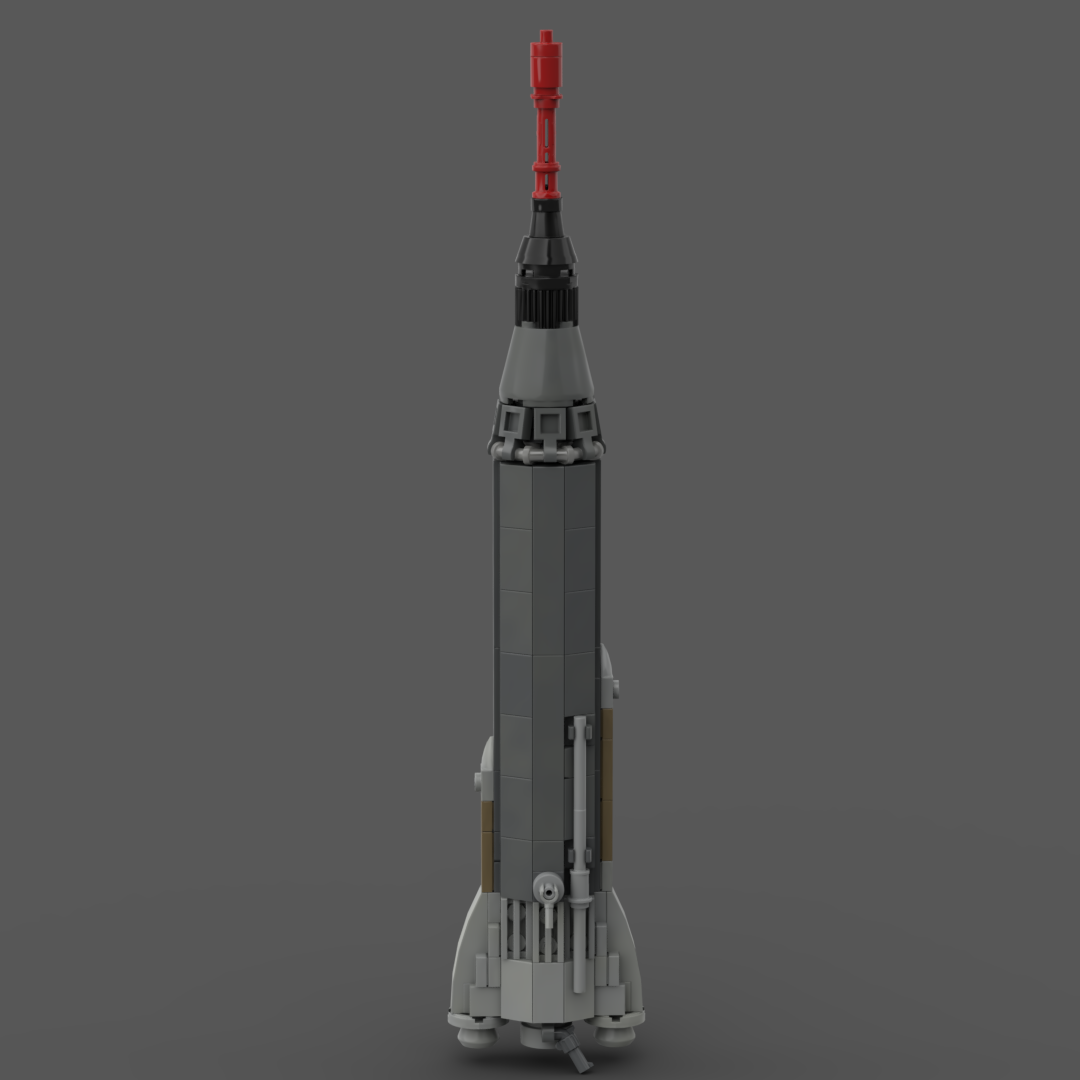
Mercury Atlas LV-3B
Mercury Atlas LV-3B
1st launch attempt:
Launch Site:
Orbital Type:
Country of Origin:
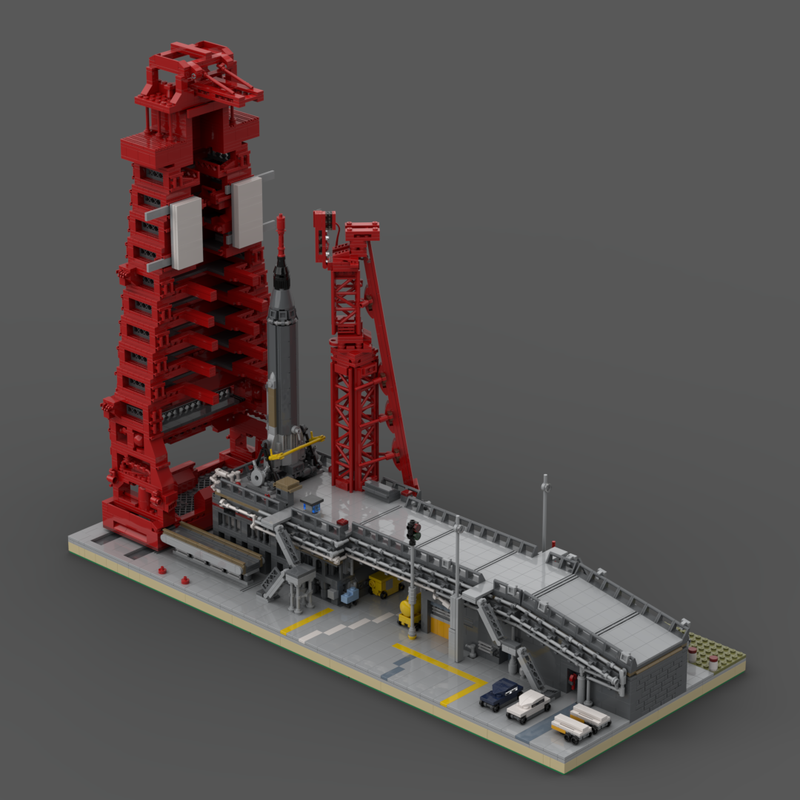
Launch Complex 14
Launch Complex 14
1st launch attempt:
Launch Site:
Orbital Type:
Country of Origin: