

Beginnings of the JPL
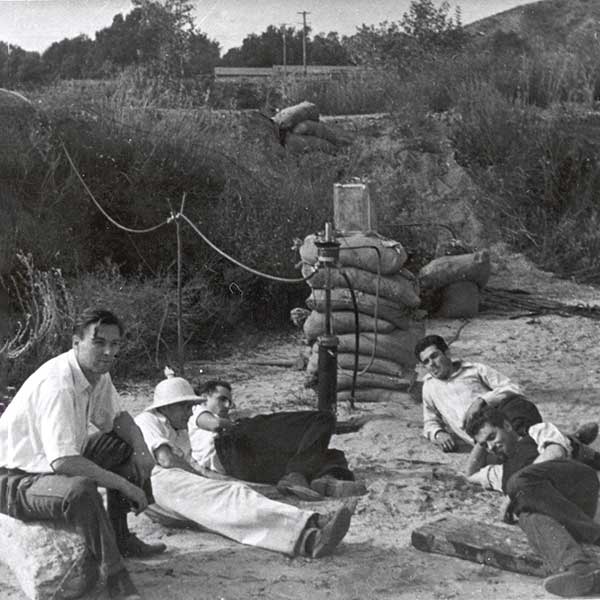
In 1936, a small group of rocket enthusiasts formed an informal research team at the Guggenheim Aeronautical Laboratory of the California Institute of Technology (GALCIT). Owing to the volatile nature of their experiments, which resulted in several explosions, the group became informally known as the “Suicide Squad”. Their early work focused on the fundamentals of rocket propulsion, combining theoretical analysis with experimental investigation into sounding rocket performance. Particular emphasis was placed on the development of high-altitude vehicles, alongside detailed studies of rocket motor design and the behaviour of both solid and liquid propellants.
By 1941, the United States Army Air Corps had taken a direct interest in GALCIT’s work, leading to a landmark research contract that effectively formalised what would become the Jet Propulsion Laboratory (JPL). Central to this effort was the development of GALCIT 61-C, a restricted-burning solid propellant that represented a major advance in rocket motor technology. In parallel, the team established a robust theoretical framework describing the internal ballistics and operational characteristics of such propellants.
From the outset, the GALCIT group faced practical limitations, particularly a lack of space and suitable facilities. These constraints increasingly hampered progress as the scale and ambition of their work expanded.
The outbreak of the Second World War sharply increased interest in jet and rocket propulsion. By early 1943, British intelligence reports drew attention to German progress in large jet-propelled projectiles with ranges exceeding 100 miles. Research undertaken by the Army Air Corps Jet Propulsion Research Project, the National Defence Research Committee, and the Aerojet Engineering Corporation confirmed that long-range rocket projectiles were technically feasible. However, the United States lacked propulsion systems comparable to those under development in Germany, highlighting the need for a coordinated engineering response.
To address this gap, a multi-phase development programme was proposed. In January 1944, this effort crystallised into a formal research and development initiative focused on long-range jet-propelled vehicles. Known as the ORDCIT project, it represented the first programme of its kind in the United States.
White Sands Missile Range
By the autumn of 1944, it had become clear that further progress required a dedicated missile firing range. Such a facility was essential not only for conducting test launches, but also for recovering missiles intact for post-flight analysis, a critical step in advancing future military applications.
Strict criteria were established for site selection. A survey team drawn from the War Department and the Corps of Engineers evaluated multiple locations before identifying White Sands Proving Ground in New Mexico, later renamed White Sands Missile Range, as the most suitable option. Although relatively modest in size, measuring approximately 100 miles in length and 40 miles in width, the remoteness and terrain of the White Sands region made it ideally suited to missile testing.
Private A and Private F
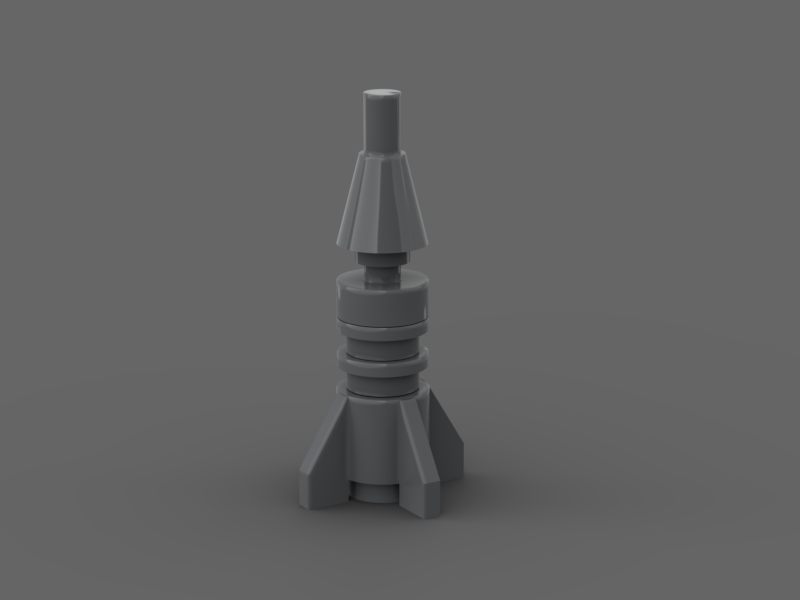
During the first 90 days of the interim ORDCIT contract, most effort was devoted to the design of Missile XF10S1000, informally known as the “Private”, along with its associated launch equipment. Two versions, designated Private A and Private B, were proposed, although Private B never progressed beyond the design stage.
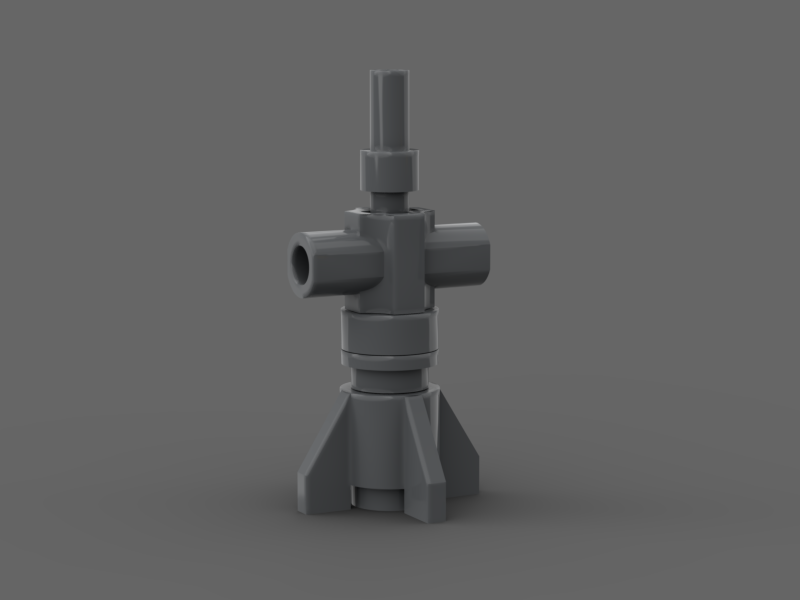
The final configuration of Private A was a missile 92 inches long and 10 inches in diameter, fitted with four fins extending a further 12 inches from the body. It was powered by an Aerojet motor producing 1,000 pounds of thrust for approximately 30 seconds. A winged derivative, designated Private F, was also developed to explore alternative aerodynamic concepts.
In December 1944, a series of 24 test firings of Private A were conducted at the Leach Spring Lake area of Camp Irwin, California. The site was selected for its unobstructed view of the impact zone. These tests revealed substantial deviations from the intended flight path, demonstrating the limitations of unguided flight and the urgent need for more effective control systems. They also highlighted the importance of accurately measuring velocity, particularly during the post-burn phase of flight.
In April 1945, 17 test launches of Private F were carried out. Pre-flight analysis suggested that the winged design could potentially achieve twice the range of Private A while maintaining stability. Although many of the tests produced promising results, several flights suffered from aerodynamic instability, leading to premature impact before full propellant burn. A recurring issue was a rolling motion that developed approximately ten seconds after launch, indicating that reliance on gravity-based stabilisation alone was insufficient and that some form of automatic pilot would be required.
Private A
Private A
1st launch attempt: December 1944
Launch Site: Leach Spring, Camp Irwin, California
Orbital Type: Atmospheric
Country of Origin: United States
Private F
Private F
1st launch attempt: April 1945
Launch Site: Hueco Range, Fort Bliss, Texas
Orbital Type: Atmospheric
Country of Origin: United States
Tiny Tim and WAC Corporal
These tests marked the end of development for both Private A and Private F. Phase two of the ORDCIT programme shifted focus towards a more ambitious objective: the design of the Corporal rocket. Drawing on data gathered from the earlier test vehicles, a scaled-down experimental version known as the WAC Corporal was developed as an intermediate step.
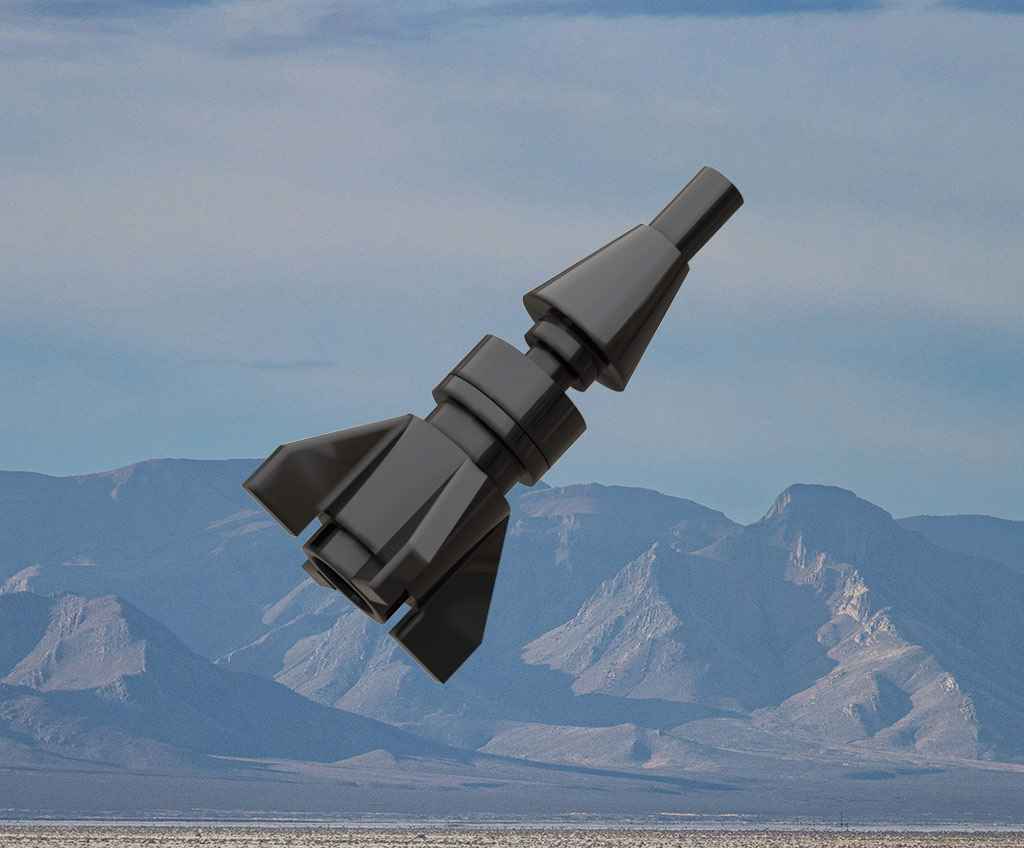
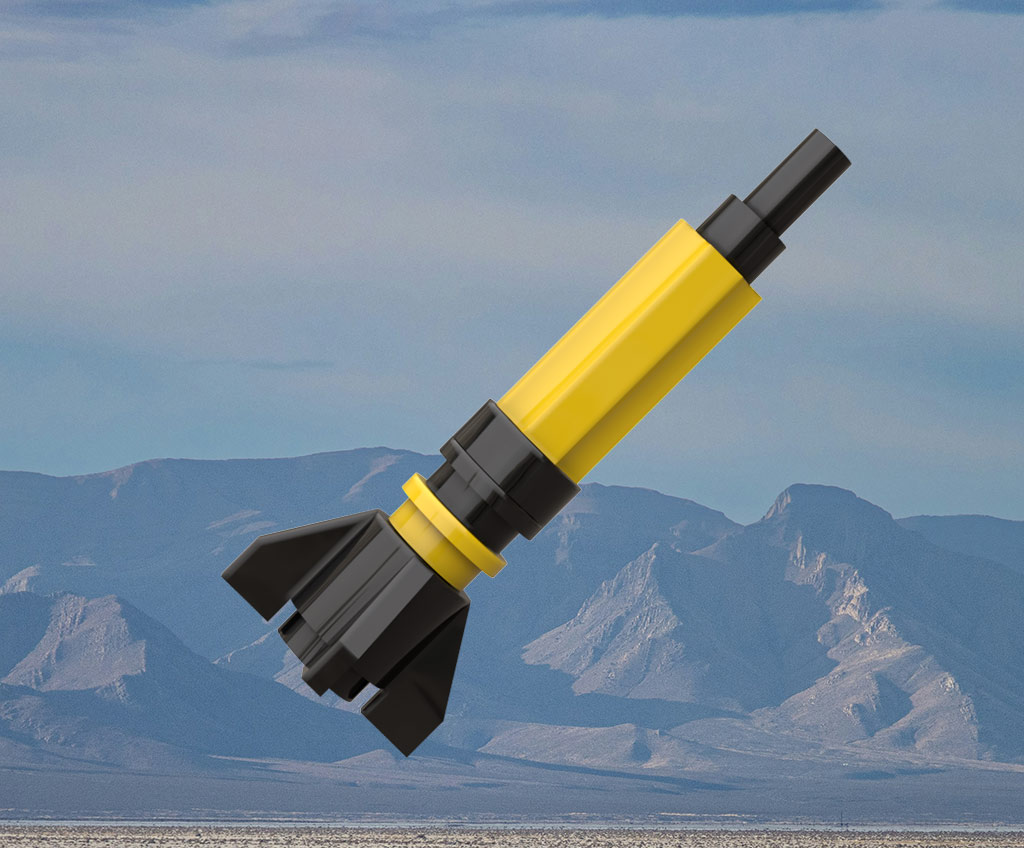
Several significant design changes were introduced. The launch rail was extended from 30 to 100 feet, and the vehicle adopted a two-stage configuration using red fuming nitric acid (RFNA) as the oxidiser. The first stage consisted of a modified Tiny Tim solid rocket booster, producing approximately 50,000 pounds of thrust for 0.6 seconds and accelerating the vehicle to around 720 feet per second at launch. The completed WAC Corporal measured 194 inches in length, with a diameter of 11 inches and fins extending 24 inches from the body.
Following successful test firings of the Tiny Tim booster in September 1945, two dummy WAC Corporals and two partial-charge tests were flown, all of which were successful. In October, six additional launches were conducted using fully fuelled WAC Corporals mounted atop the Tiny Tim booster. These flights demonstrated the ability to reach altitudes of approximately 45 miles (75 kilometres). The two-stage configuration used in these tests was designated WAC Corporal A.
Tiny Tim
Tiny Tim
1st launch attempt: 26 September 1945
Launch Site: White Sand Missile Range, New Mexico
Orbital Type: Atmospheric
Country of Origin: United States
WAC Corporal
WAC Corporal
1st launch attempt: 27 September 1945
Launch Site: White Sands, Missile Range, New Mexico
Orbital Type: Atmospheric
Country of Origin: United States
WAC Corporal A and WAC Corporal B
The successful performance of the WAC Corporal A established it as the first fully functional two-stage sounding rocket developed in the United States. Flights conducted in late 1945 and early 1946 validated key concepts in high-altitude propulsion, vehicle stability, and stage separation. The rocket carried small scientific payloads to investigate upper-atmospheric conditions and cosmic radiation. After burnout of the Tiny Tim booster, the liquid-fuelled sustainer ignited, using RFNA and aniline as propellants.
Building on these results, the WAC Corporal B was introduced as an improved variant. While remaining broadly similar in size and structure, the B model incorporated refinements to propellant management and stabilisation systems. Improvements included better engine cooling, revised nozzle geometry, and upgraded instrumentation. The B-series played an important role in both military research and scientific investigation, gathering valuable data on the upper atmosphere. Although never intended as a weapon, the WAC Corporal programme demonstrated the practicality of liquid-fuelled rocketry and directly influenced the design of later United States missile systems.
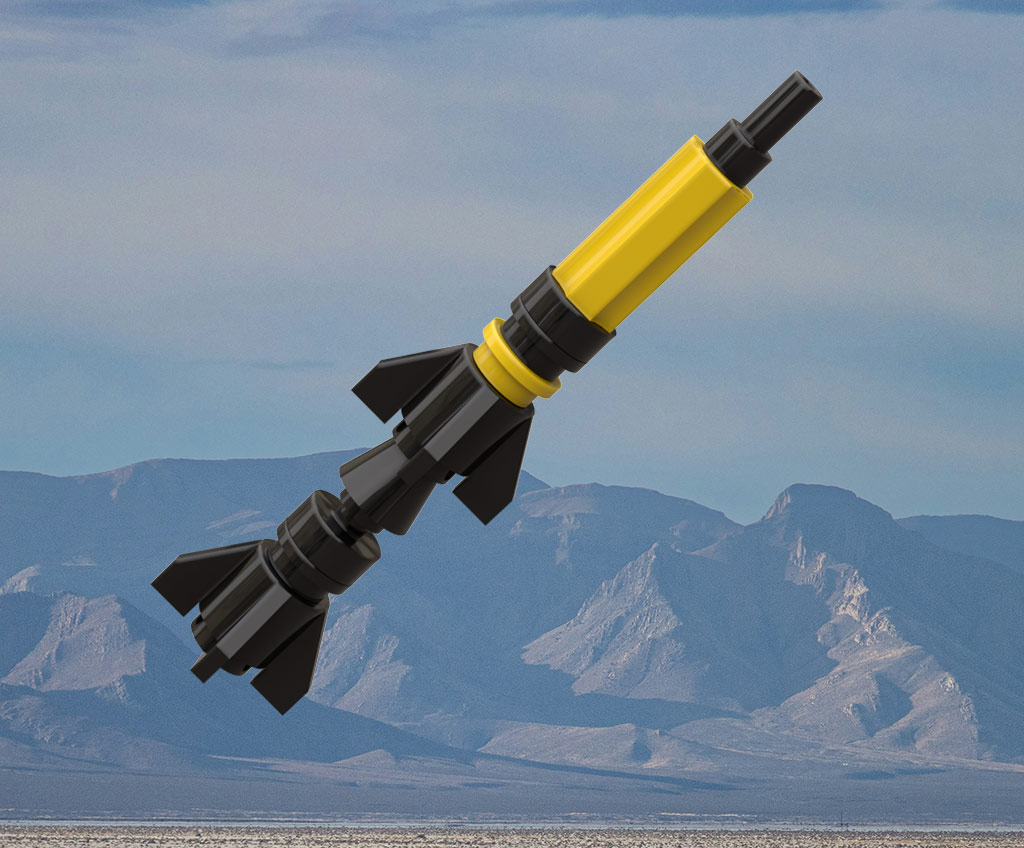
WAC Corporal A
WAC Corporal A
1st launch attempt: 11 October 1945
Launch Site: White Sands, NM, United States
Orbital Type: Atmospheric
Country of Origin: United States
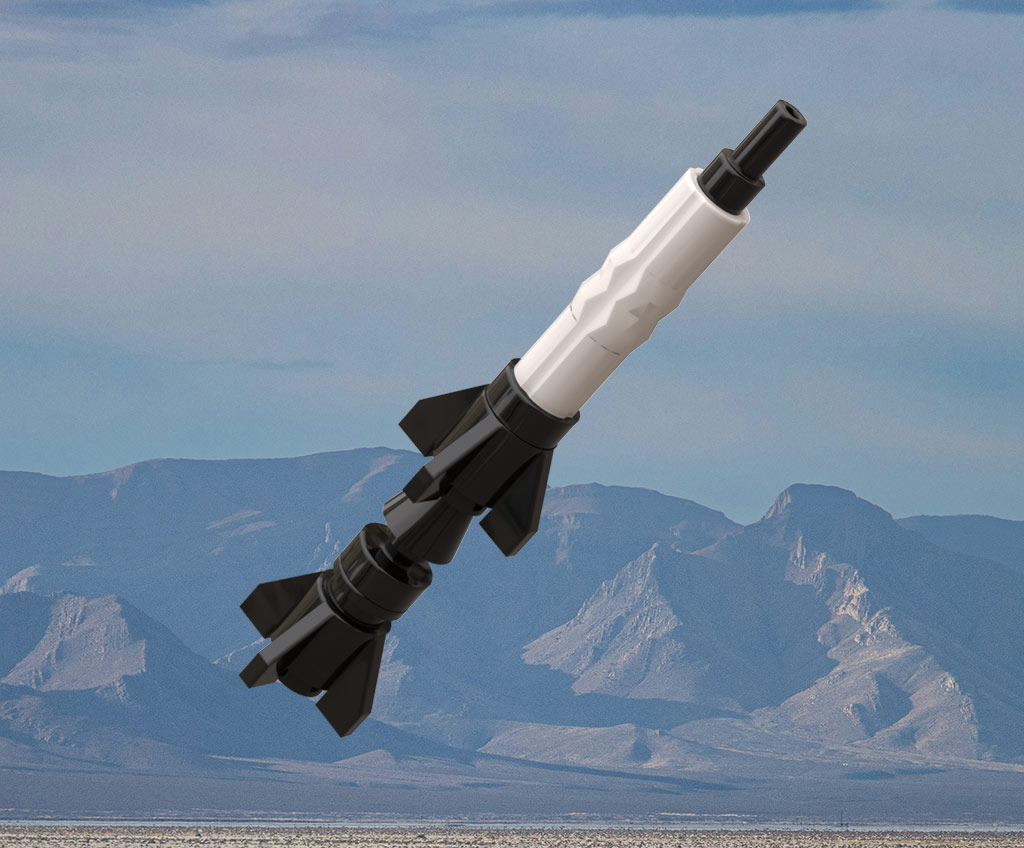
WAC Corporal B
WAC Corporal B
1st launch attempt: 2 December 1946
Launch Site: White Sands Missile Range, New Mexico
Orbital Type: Atmospheric
Country of Origin: United States
Corporal E
With the experience gained from the WAC Corporal programme, and under the continued leadership of the Jet Propulsion Laboratory, development progressed towards a fully operational tactical missile. This effort resulted in the Corporal E, the first guided missile deployed by the United States capable of delivering a nuclear warhead.
Initiated in the late 1940s, the Corporal E was significantly larger and more complex than its experimental predecessors. It employed a two-stage configuration with active guidance and control surfaces, and continued to use the RFNA–aniline propellant combination, albeit with greatly increased thrust and range. The missile was capable of striking targets up to 75 nautical miles away and relied on ground-based radar tracking with radio-command guidance, representing a major advance beyond purely ballistic flight.
Operationally deployed by the United States Army in the early 1950s, the Corporal E marked the beginning of America’s surface-to-surface missile capability. It formed a crucial bridge between early experimental rockets and the sophisticated strategic weapons systems that would define the Cold War era.
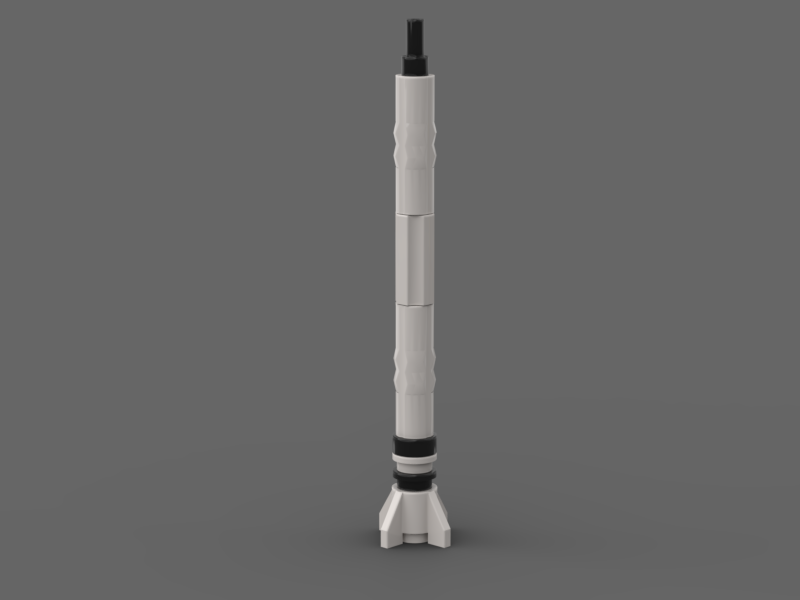
Corporal E
Corporal E
1st launch attempt: 22 May 1947
Launch Site: White Sands Missile Range, New Mexico
Orbital Type: Atmospheric
Country of Origin: United States