

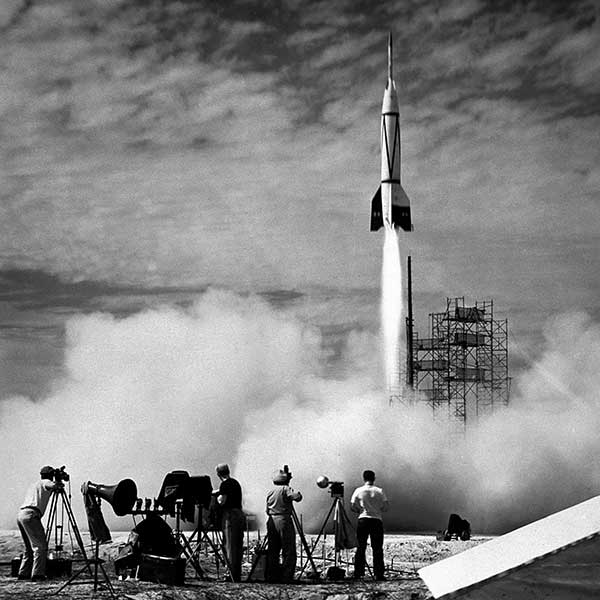
Operation Paperclip, named for the paperclips used to attach new employment profiles to the scientists’ folders, was authorised by President Truman in August 1945 with an explicit condition: no former Nazis, no active supporters of Nazi militarism. The condition was almost immediately circumvented. Officials within the Joint Intelligence Objectives Agency and the Office of Strategic Services bypassed Truman’s directive by eliminating or whitewashing incriminating evidence of possible war crimes from the scientists’ records, believing their intelligence to be crucial.
The moral calculations involved were genuinely uncomfortable, and they remain so. Wernher von Braun had been a member of the Nazi Party and an SS officer. The V-2 rockets he had designed were built at Mittelwerk using forced labour, historians estimate that more people died building the V-2 than were ever killed by it in combat. Arthur Rudolph, who had managed production at Mittelwerk and would go on to be one of the chief architects of the Saturn V rocket, was later investigated for war crimes and renounced his American citizenship in 1984 rather than face a formal hearing. Hubertus Strughold, celebrated as the father of space medicine, had conducted experiments on prisoners at Dachau.
The United States looked at these records, and looked at what the Soviet Union was simultaneously doing with its own captured German scientists, and made a decision. In August 1945, Colonel Holger Toftoy offered initial one-year contracts to the rocket scientists; 127 of them accepted. By early 1946, they were in Fort Bliss, Texas, and at White Sands Proving Grounds across the state line in New Mexico, officially designated “War Department Special Employees.” Von Braun’s team was initially confined to a six-acre ordnance area. They lived in wartime barracks. Their accessible area was gradually extended, first to the full fort, then to El Paso. Their families were brought over from Germany in late 1946. They were somewhere between guests and prisoners, and everyone involved was aware of the ambiguity.
Project Hermes and the V-2 at White Sands
The Army contracted General Electric to oversee the V-2 test programme under the name Project Hermes, a mandate that covered both firing the captured German rockets and developing American successors. No V-2s were received in flyable condition. GE personnel had to assemble them from components. The 300 rail cars of parts were inventoried, assessed, and sorted. Many components had corroded or been damaged in transit. Missing parts had to be manufactured from scratch, often by the same German engineers who had originally designed them.
The first V-2 launch at White Sands took place on April 16, 1946. It reached 3.4 miles before the flight was terminated, a modest beginning for a rocket that had once struck London from 200 miles away. The programme improved rapidly. Through 1949, V-2 launches occurred at an average rate of fifteen per year. The rockets carried instruments rather than warheads: cosmic ray detectors, spectrographs, pressure sensors, biological payloads, and cameras.
On 24 October 1946, V-2 Number 13 carried a 35-millimetre DeVry cine camera set to expose one frame every one and a half seconds. It reached 65 miles altitude. The recovered film showed, for the first time in history, the curvature of the Earth from space — a grainy, black and white image of a planet seen from above, cloud formations and coastline visible across hundreds of miles. People had imagined this view for centuries. A German rocket, assembled by American engineers in the New Mexico desert, provided it.
V-2 sounding rockets took the first pictures of Earth from 100 miles in the air, high enough to show the curvature of the planet, tested the effects of cosmic rays on fruit flies and seeds, and tested g-force on various monkeys. The biological programme was conducted with the ruthless pragmatism of the era. Rhesus monkeys flew aboard modified V-2 nose cones in the “Blossom” series, none of the early animals survived, either from the flight itself or from recovery failures when parachutes didn’t deploy. The data gathered nonetheless formed the foundation of American space medicine.
Not every flight went according to plan. On 29 May 1947, a modified V-2 carrying a ramjet test package, the Hermes II, lifted off from Launch Complex 33 as the sun was going down. The plan was for it to arc northward over the length of the proving grounds. Instead, the rocket arced to the south, passing over Fort Bliss and El Paso and impacting the ground about half a mile from Buena Vista Airport in Ciudad Juárez, Mexico. The explosion dug a crater 50 feet across and 24 feet deep, shook buildings in El Paso, and narrowly missed a powder magazine where mining companies stored dynamite. A range safety officer had attempted to send a destruct signal and been physically restrained by a programme scientist who apparently didn’t want to lose the vehicle. There were no casualties. The diplomatic fallout was handled quietly. Von Braun’s team, with characteristic black humour, noted that they had become the first German unit to attack Mexico from American soil.
The maximum altitude reached by a Project Hermes V-2 was 114 miles, achieved on 17 December 1946. Over the five years of the programme, 67 V-2s were launched from White Sands, establishing high-altitude and velocity records that reached to the very edge of space. The last American V-2 flight took place in September 1952. By then, the knowledge embedded in those 67 launches had already seeded an entire generation of American rockets.
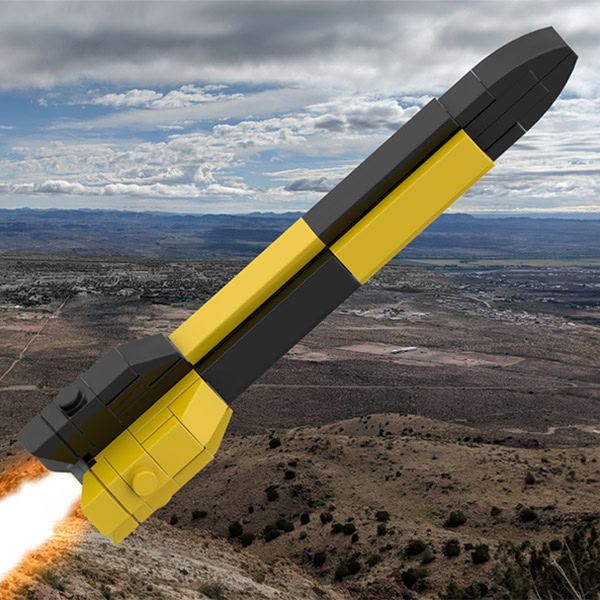
A-4 (White Sands)
A-4 (White Sands)
1st launch attempt: 16 April 1946
Launch Site: White Sand Missile Range, New Mexico
Orbital Type: Suborbital
Country of Origin: US
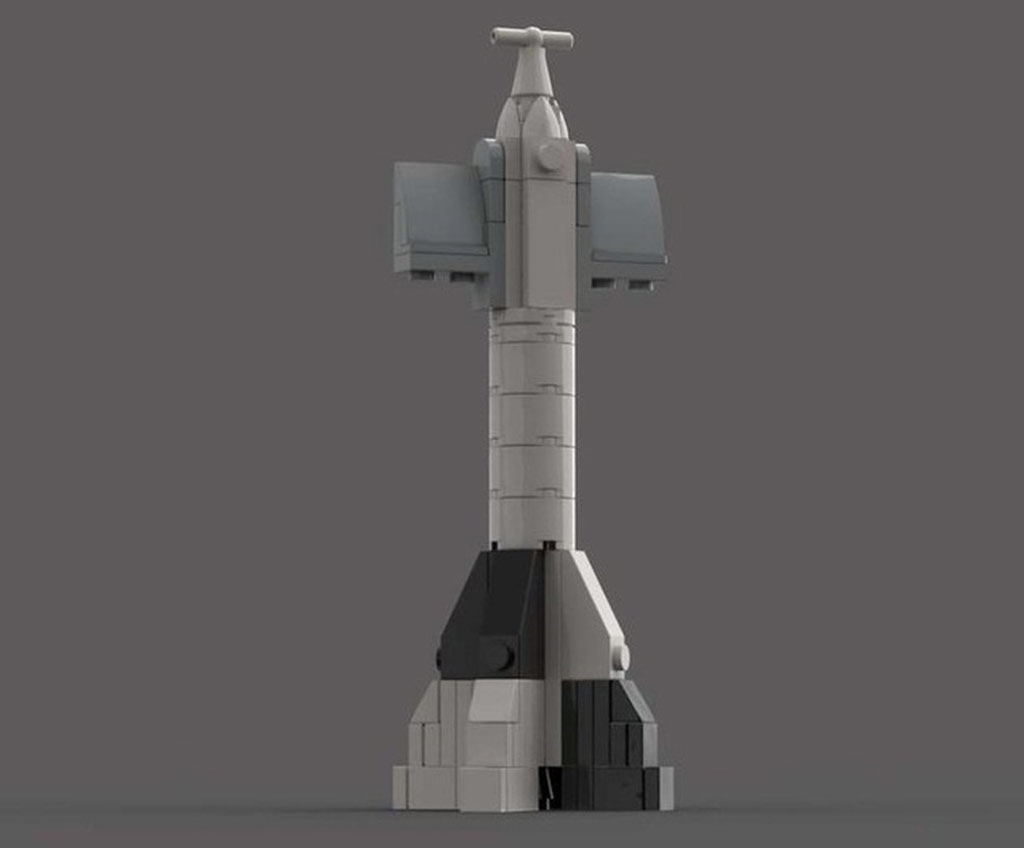
Hermes II
Hermes II
1st launch attempt: 30 May 1947
Launch Site: White Sands Missile Range, New Mexico
Orbital Type: Atmospheric
Country of Origin: United States
Project Bumper: Learning to Stage
Among the most consequential V-2 experiments was the Bumper programme, which addressed one of the fundamental problems of reaching orbit: no single stage rocket could carry enough propellant to achieve orbital velocity. The solution was staging, a rocket within a rocket, where the first stage burns out and falls away, and a second stage ignites at altitude with a full tank of propellant and no dead weight to carry.
The Bumper rocket placed a WAC Corporal atop a V-2. When the V-2 first stage had burned through its propellant and the combination had reached maximum velocity, the WAC Corporal’s motor ignited and it separated, carrying its instruments to altitudes far beyond what either vehicle could achieve alone. Bumper flights gave Americans experience with rocket staging, experience that was at that point available nowhere else on Earth. On 24 February 1949, Bumper 5 reached an altitude of 244 miles and a velocity of 5,150 miles per hour, the highest altitude and speed any human-made object had yet achieved. The two-stage principle had been proven.
The final two Bumper launches, in July 1950, moved to a new facility on the Florida coast, a stretch of scrubland at Cape Canaveral that the Army had recently acquired for exactly this purpose. The range at White Sands was simply too short for the trajectories the next generation of rockets would require. The future of American rocketry was moving to the Atlantic.
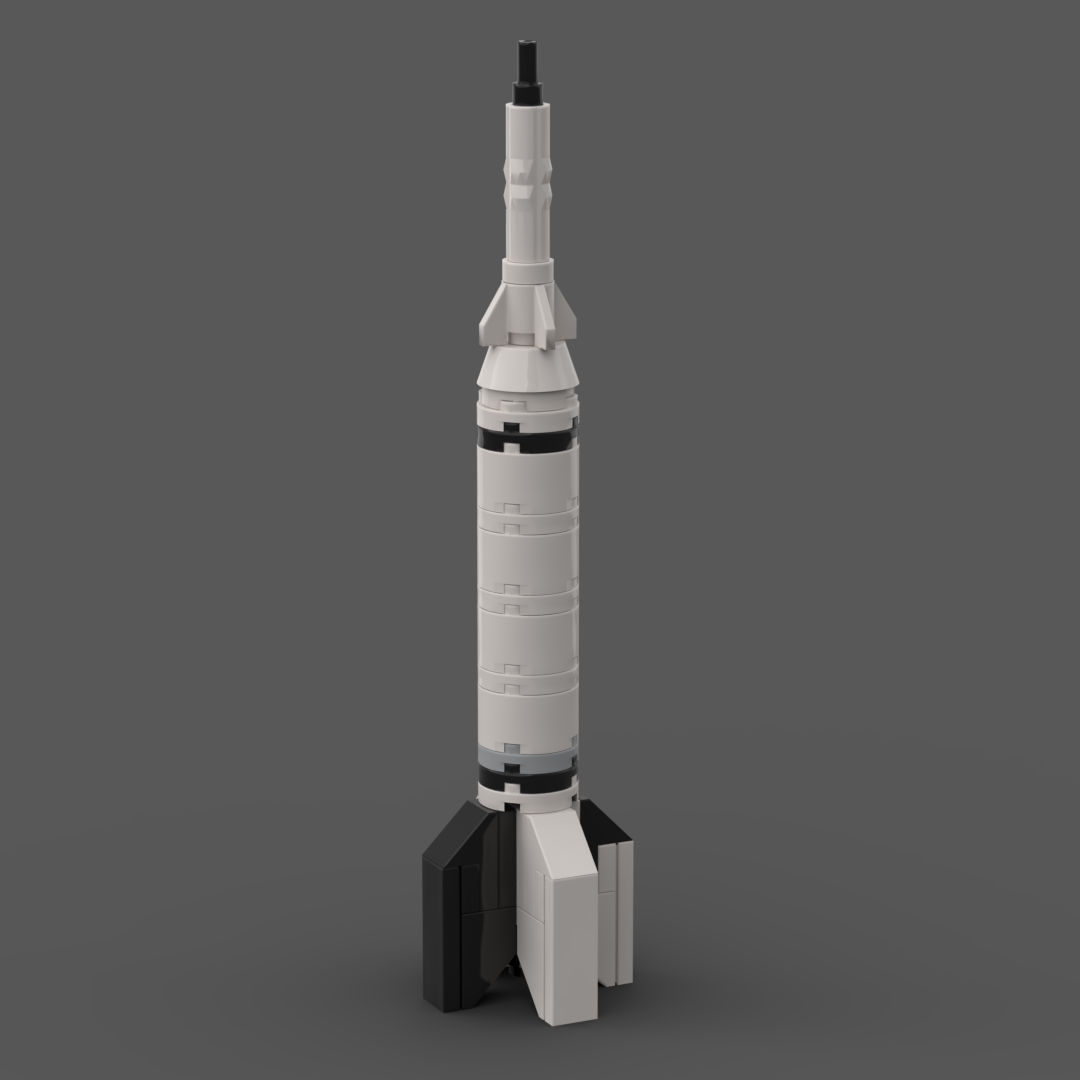
Bumper WAC
Bumper WAC
1st launch attempt: 13 May 1948
Launch Site: White Sands Missile Range, New Mexico
Orbital Type: Suborbital
Country of Origin: United States
The Hiroc: Innovation Hidden in Plain Sight
While the Army was flying V-2s and Bumpers at White Sands, the Air Force was pursuing its own parallel programme and in doing so, accidentally invented much of the technical architecture that would eventually underpin America’s ICBM programme.
In April 1946, the Air Force contracted Convair to investigate intercontinental ballistic missiles under the designation MX-774. The project was ambitious, a missile capable of delivering a 5,000-pound payload to a target 5,000 miles away. It was also, within a year, cancelled. Funds were tight, the technology seemed too far away, and the military had other priorities.
What saved MX-774 from total obscurity was a small amount of leftover contract funding. Convair used it to build and fly three research vehicles. These were designated RTV-A-2 Hiroc, High Altitude Rocket, and all three were launched from White Sands in 1947, on 13 July, 27 September, and 2 December.
The Hiroc was 31.5 feet long and burned liquid oxygen and alcohol through four independently gimballed thrust chambers. That last detail was the crucial innovation. Every rocket before it including the V-2, had used fixed engines with movable fins or jet vanes inserted into the exhaust to steer. The Hiroc swivelled its engines directly, which was mechanically more complex but far more efficient. The three tests validated the concept of using gimballed engines for propulsion and guidance.
The Hiroc also introduced two other concepts that would prove equally important: a pressure-stabilised airframe where the structural rigidity of the vehicle came from internal gas pressure rather than heavy metal framing, giving an airframe-to-propellant ratio three times better than the V-2, and a separable nose cone, allowing only the instrument payload rather than the entire vehicle to be recovered. All three ideas were directly inherited by the Atlas ICBM, and Its DNA runs through every Atlas rocket ever launched.
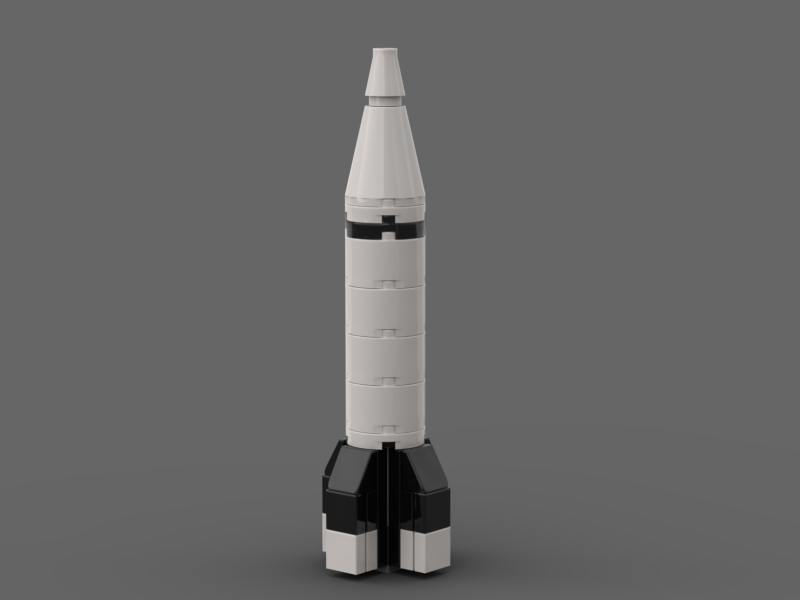
Hiroc RTV-A-2
Hiroc RTV-A-2
1st launch attempt: 13 July 1947
Launch Site: White Sands Missile Range, New Mexico
Orbital Type: Atmospheric
Country of Origin: United States
The Aerobee
Not everything at White Sands derived from German hardware. American engineers had been developing their own sounding rockets in parallel, smaller, cheaper, and purpose-built for scientific research rather than adapted from weapons. The WAC Corporal had been developed by JPL for the Army, It became the upper stage in the Bumper experiments and the conceptual starting point for the Navy’s Aerobee.
The Navy made a larger version of the WAC Corporal known as the Aerobee, first produced for the Applied Physics Laboratory at Johns Hopkins University. The Aerobee, its name a contraction of Aerojet, the prime contractor, and Bumblebee, the Navy guided missile programme first flew at White Sands in 1947. The next complete launch was a success, achieving an altitude of 73 miles and breaching the 62-mile boundary of space.
The Aerobee became the workhorse of American upper atmospheric research. It was reliable, relatively cheap, and carried a range of scientific payloads that mapped the ionosphere, measured cosmic radiation, photographed the Earth, and in April 1951 carried the first monkey to survive a spaceflight, reaching altitude and returning alive. More than 1,000 Aerobees were launched from 1947 to 1985, nearly four decades of continuous scientific service from a rocket designed as a modest improvement on a wartime test vehicle.
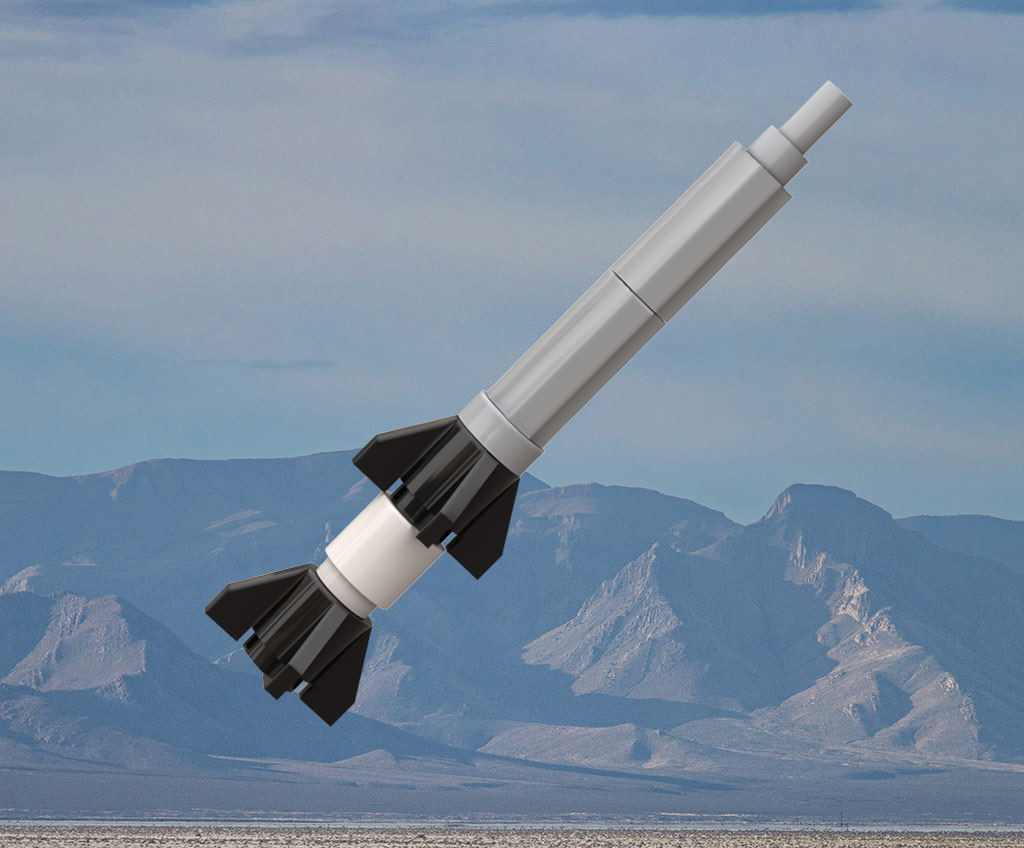
Aerobee RTV-N-8
Aerobee RTV-N-8
1st launch attempt: 25 September 1947
Launch Site: White Sands Missile Range, New Mexico
Orbital Type: Suborbital
Country of Origin: United States
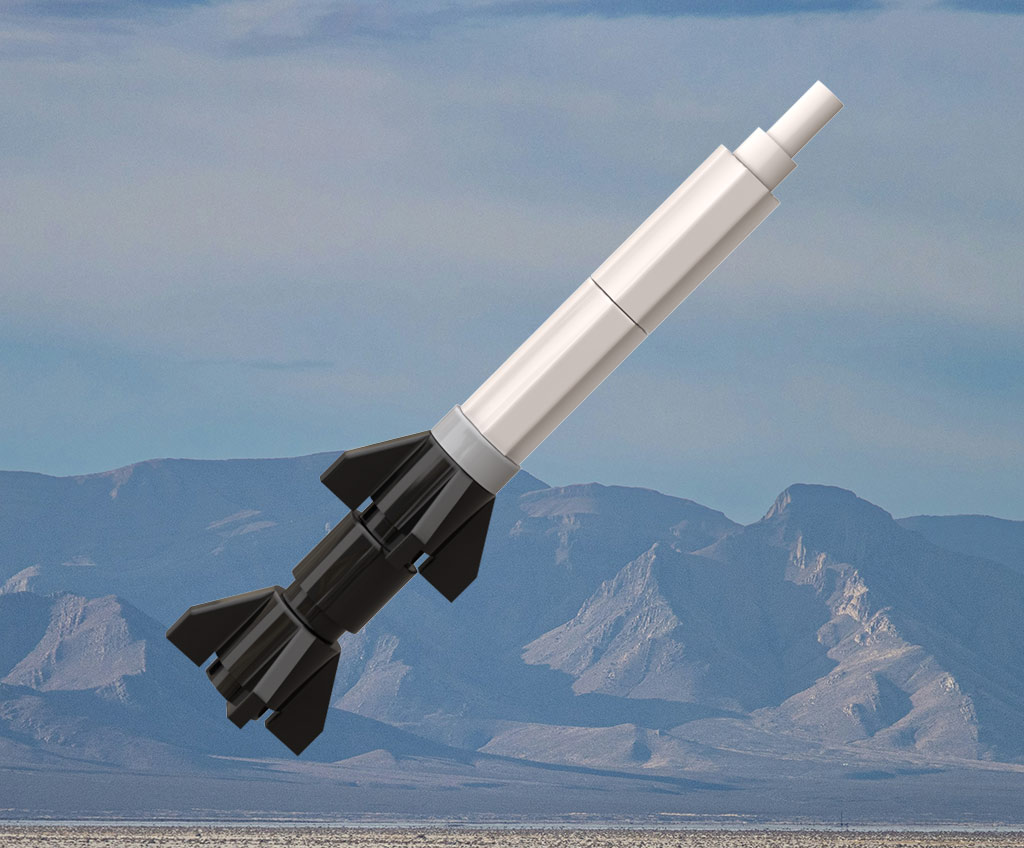
Aerobee XASR-SC-1
Aerobee XASR-SC-1
1st launch attempt: 9 December 1948
Launch Site: White Sands Rocket Range, New Mexico
Orbital Type: Suborbital
Country of Origin: United States
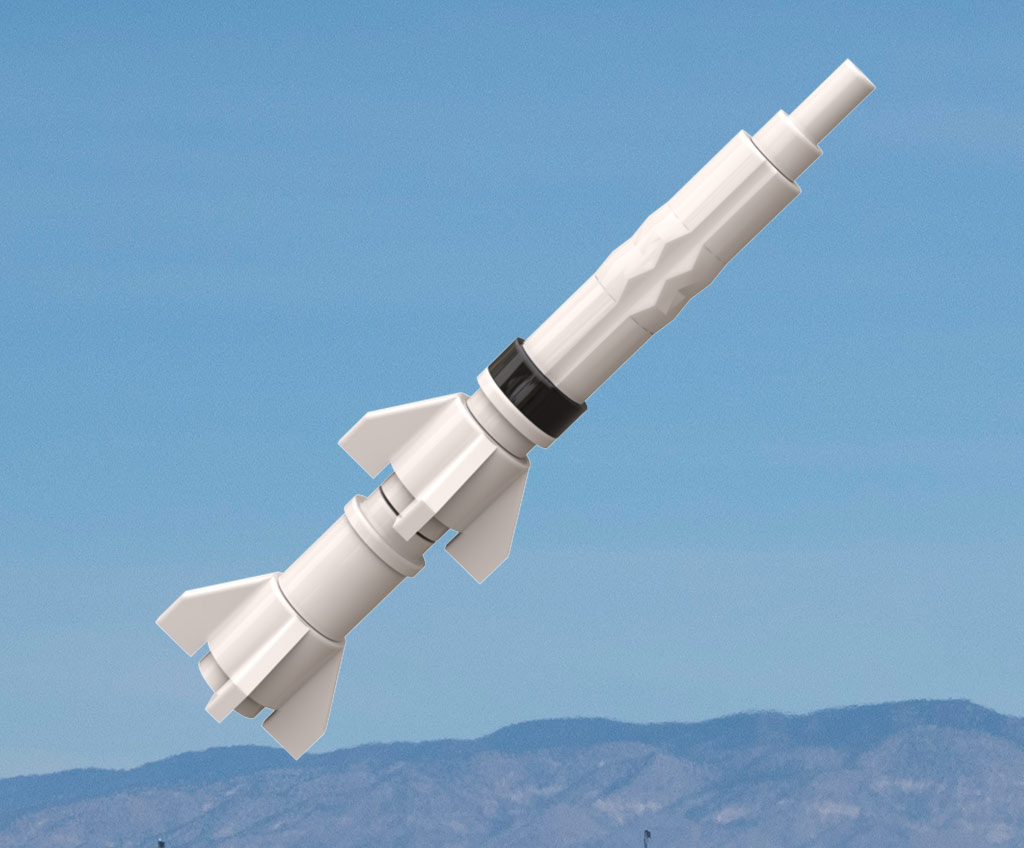
Aerobee RTV-A-1
Aerobee RTV-A-1
1st launch attempt: 2 December 1949
Launch Site: Holloman Air Base, New Mexico
Orbital Type: Suborbital
Country of Origin: United States
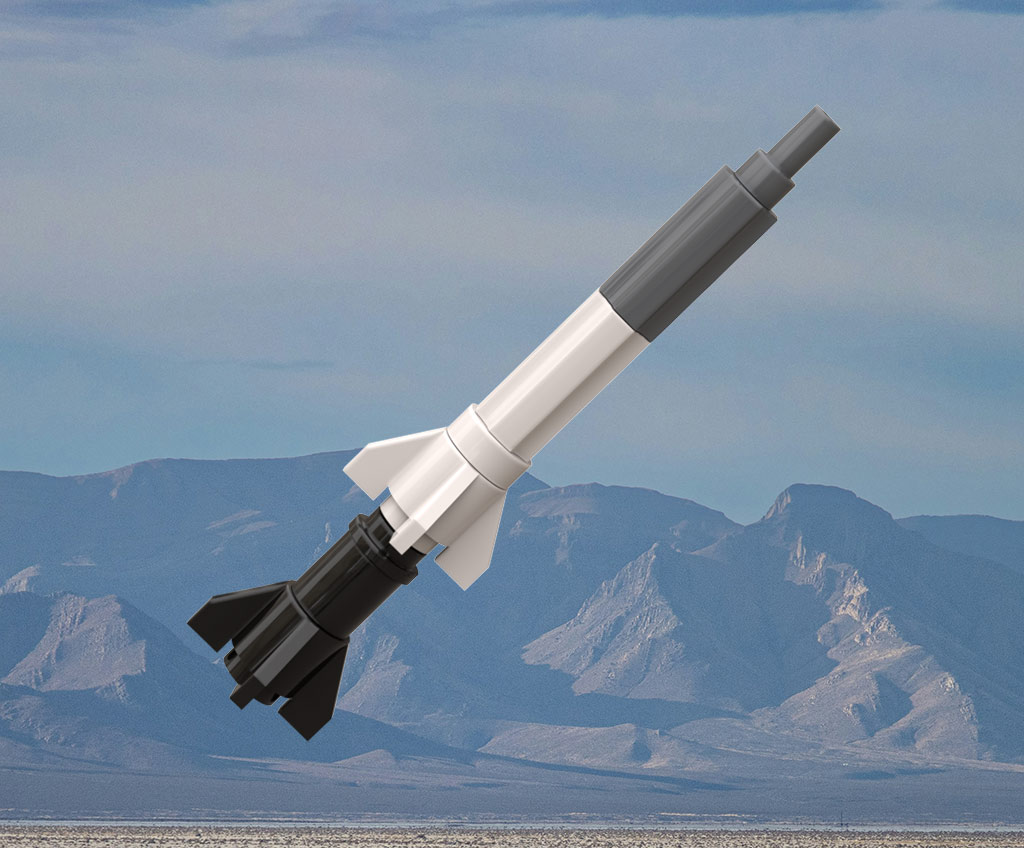
Aerobee RTV N-10
Aerobee RTV N-10
1st launch attempt: 15 January 1950
Launch Site: Bering Sea
Orbital Type: Suborbital
Country of Origin: United States
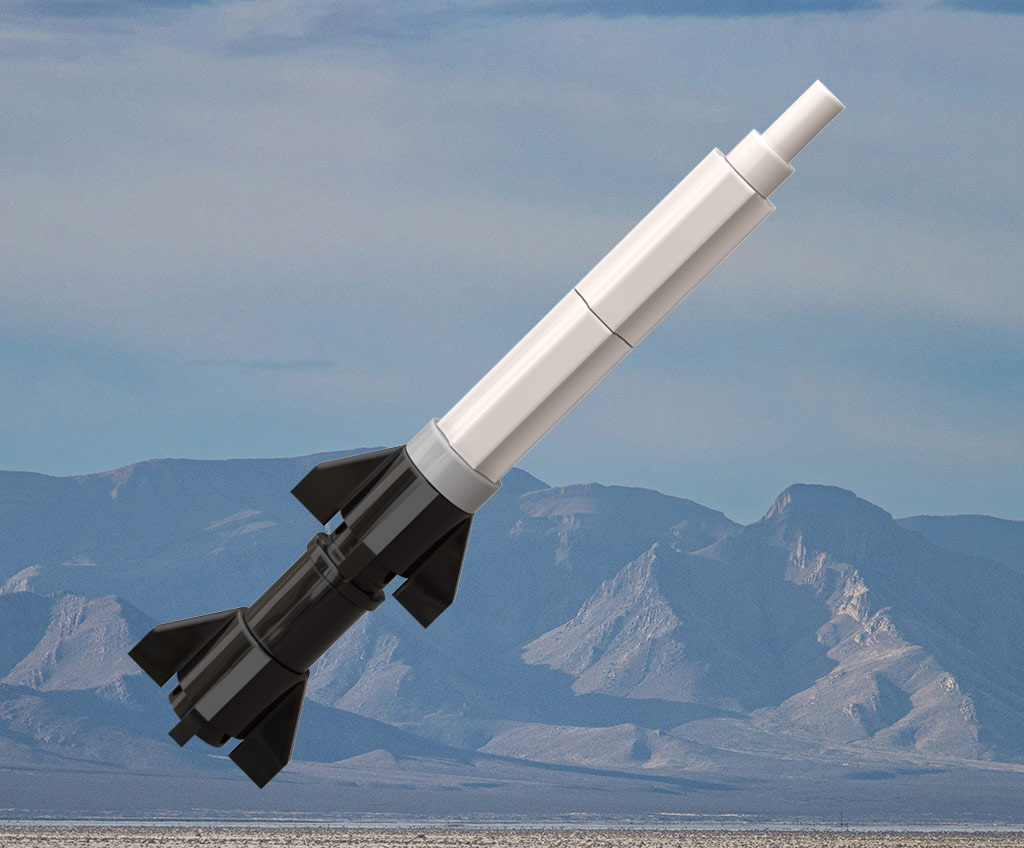
Aerobee XASR-SC-2
Aerobee XASR-SC-2
1st launch attempt: 26 April 1950
Launch Site: White Sands, New Mexico
Orbital Type: Suborbital
Country of Origin: United States
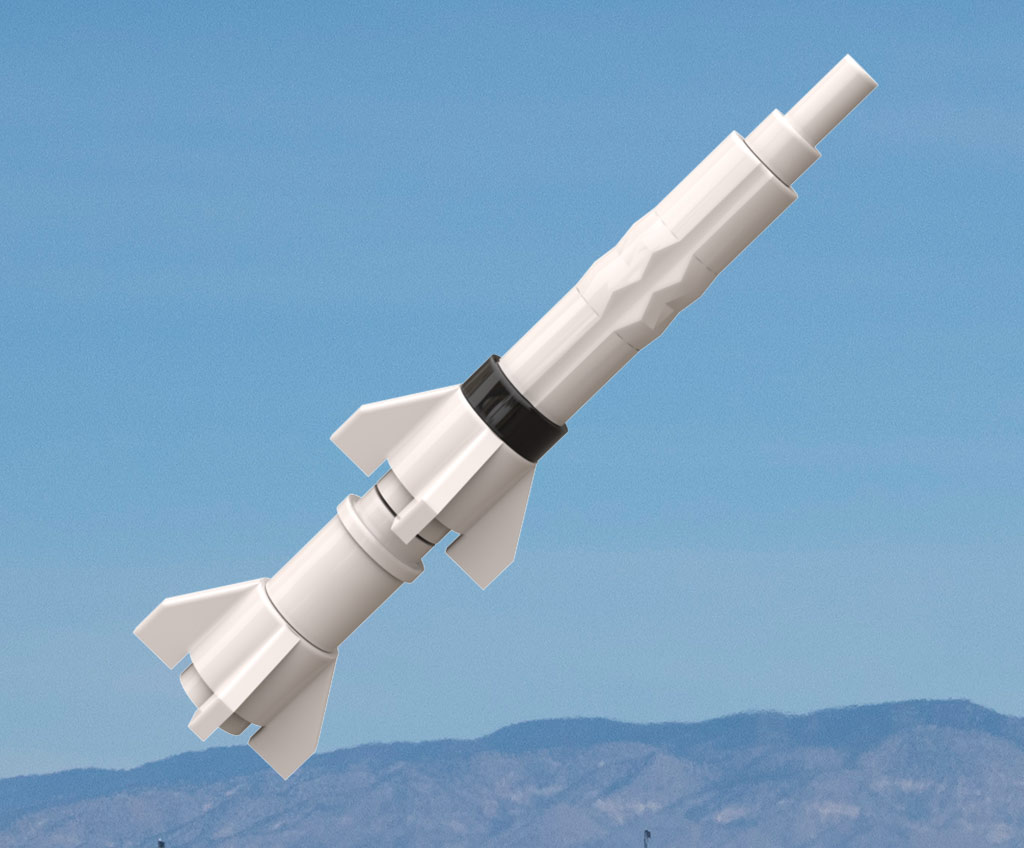
Aerobee RTV-A-1a
Aerobee RTV-A-1a
1st launch attempt: 17 October 1951
Launch Site: Holloman Air Base, New Mexico
Orbital Type: Suborbital
Country of Origin: United States
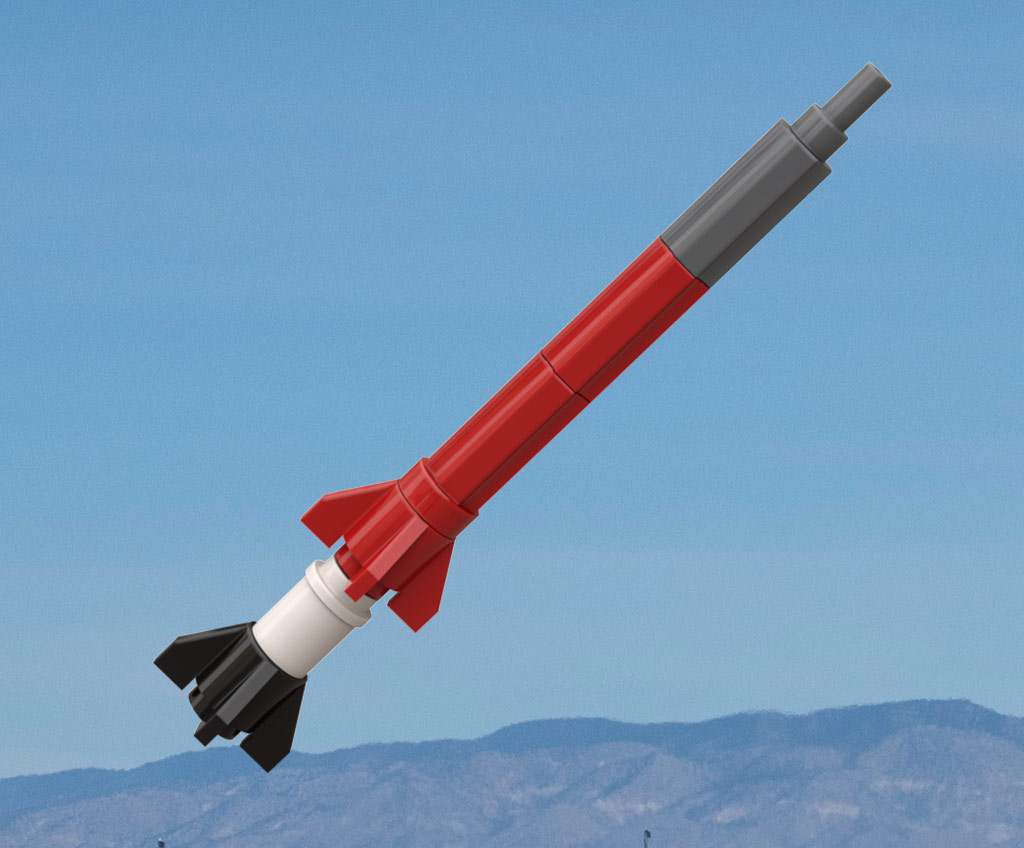
Aerobee Hi
Aerobee Hi
1st launch attempt: 21 April 1955
Launch Site: Holloman Air Base, New Mexico
Orbital Type: Suborbital
Country of Origin: United States
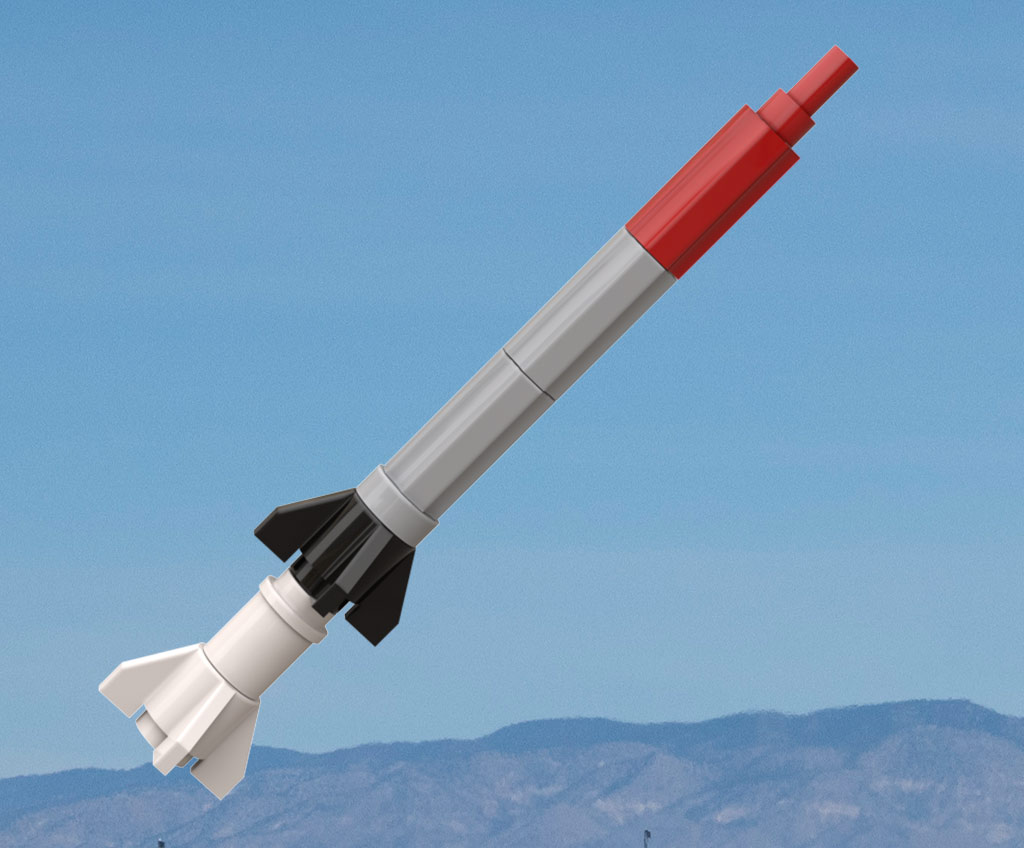
Aerobee 150
Aerobee 150
1st launch attempt: 5 February 1959
Launch Site: Holloman Air Base, New Mexico
Orbital Type: Suborbital
Country of Origin: United States
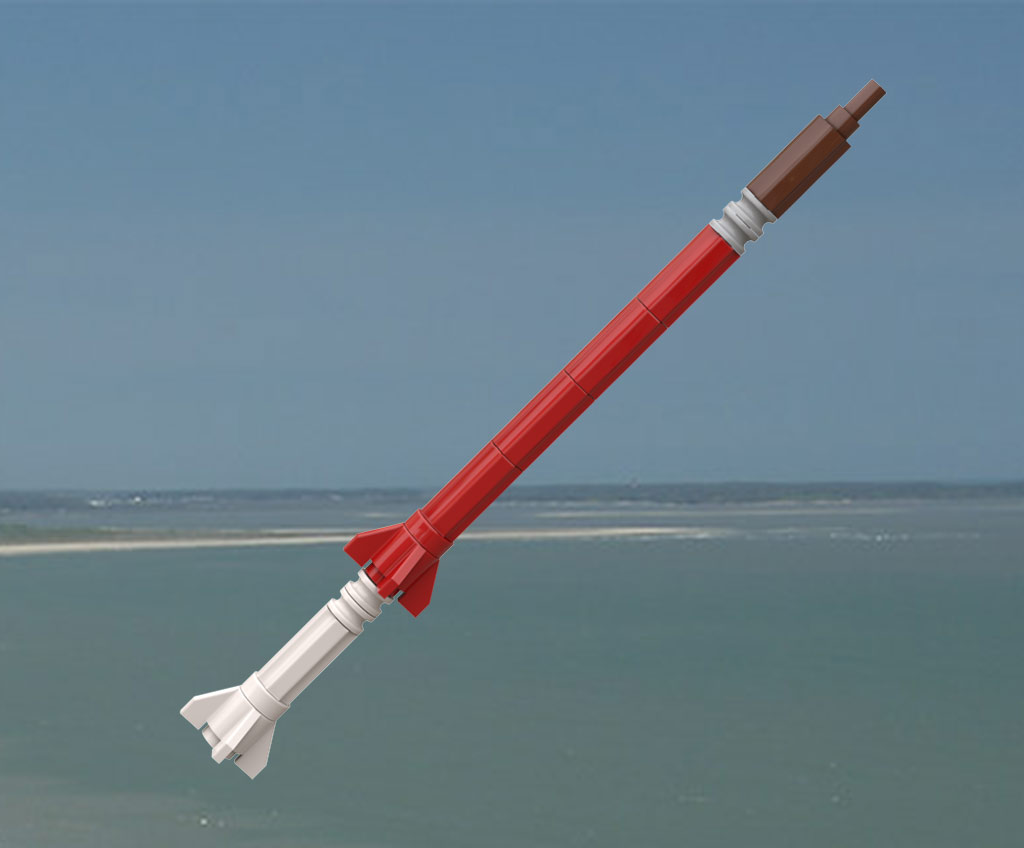
Aerobee 350
Aerobee 350
1st launch attempt: 11 December 1964
Launch Site: Wallops Island, Virginia
Orbital Type: Suborbital
Country of Origin: United States
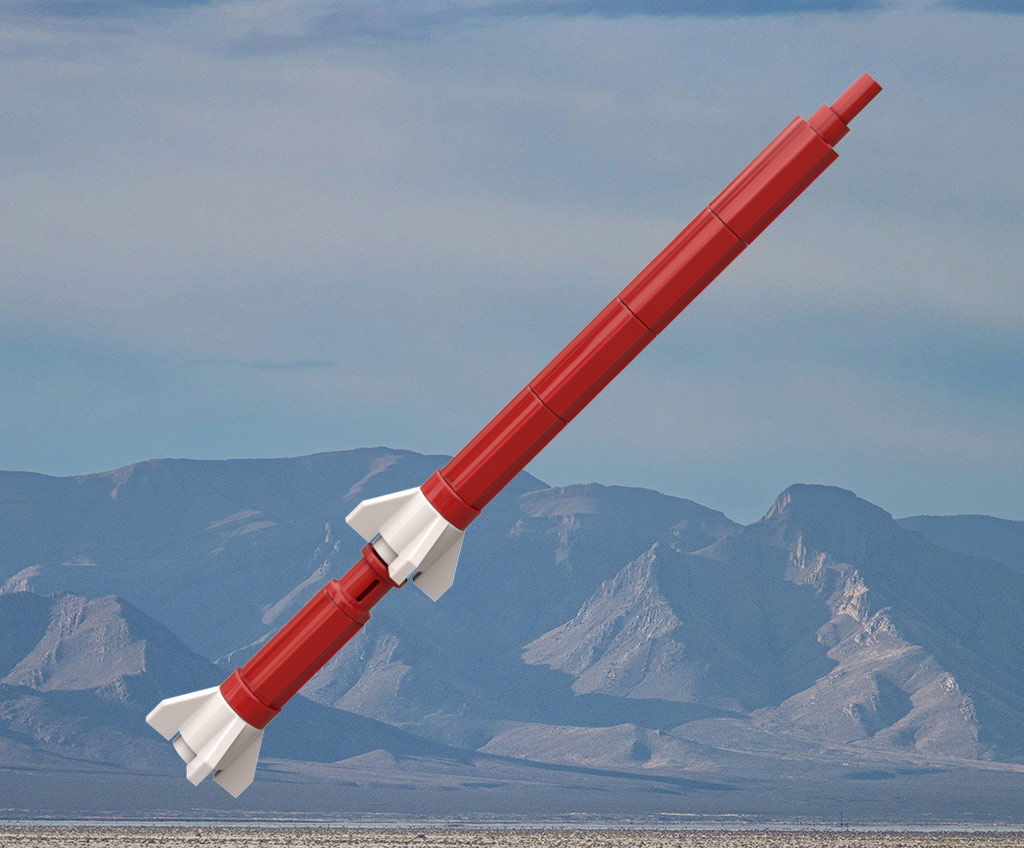
Aerobee 170
Aerobee 170
1st launch attempt: 16 September 1968
Launch Site: White Sands, New Mexico
Orbital Type: Suborbital
Country of Origin: United States
Viking: The Navy’s Clean Sheet
The Navy, watching the Army’s V-2 programme with institutional interest and some competitive anxiety, decided it wanted its own large sounding rocket, one designed from scratch for scientific missions rather than reverse-engineered from a weapon. The Viking was designed to supersede the German V-2 as a research vehicle, and became the most advanced large liquid-fuelled rocket developed in the United States in the late 1940s. It burned liquid oxygen and alcohol, the same propellants as the V-2 but incorporated gimballed engine steering from the outset, a cleaner airframe, and a design philosophy oriented entirely toward scientific payload delivery rather than weapons delivery.
The first Viking rocket lifted off from White Sands on 3 May 1949, its engine firing for 55 seconds before the rocket flew on course and reached an altitude of 51 miles. Twelve Vikings flew in total, steadily improving in capability. Viking 7, launched on 7 August 1951, set a new world altitude record of 136 miles. Viking 9 carried a full suite of cosmic ray, ultraviolet, and X-ray detectors as well as cameras that returned photographs of the Earth during flight, its experiment package recovered intact after the flight. Viking 4, launched in 1950, became the first sounding rocket launched from the deck of a ship, an early demonstration that mobile launch capability was achievable.
After twelve flights, Viking’s role shifted. Its airframe and engineering became the first stage of the Vanguard satellite launch vehicle, the Navy’s entry into the Space Race, and its second stage was adapted into the Thor-Able upper stage, carrying the interservice rivalry of White Sands directly into the satellite age.
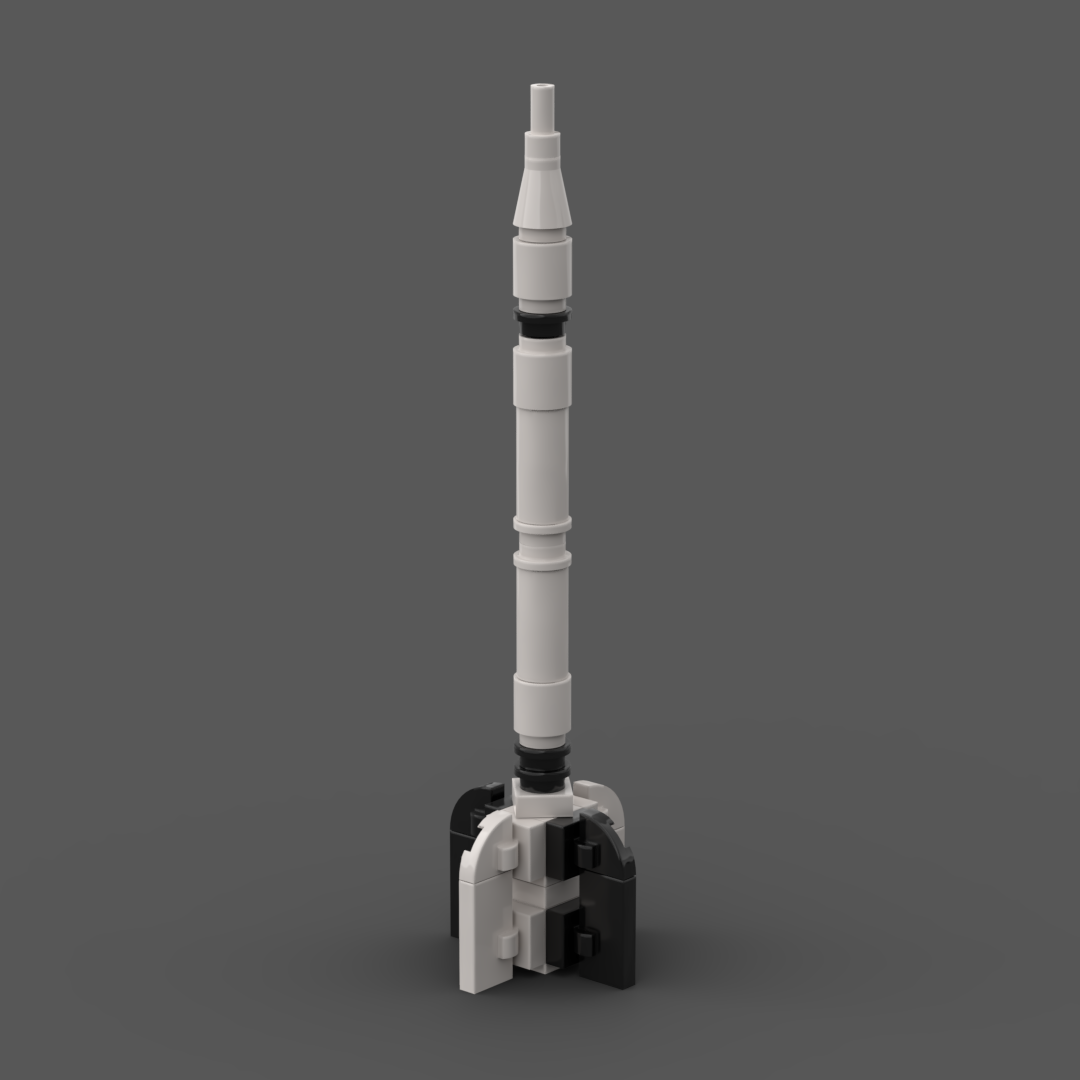
Viking (1st Model)
Viking (1st Model)
1st launch attempt: 3 May 1949
Launch Site: White Sands, NM, United States
Orbital Type: Suborbital
Country of Origin: United States
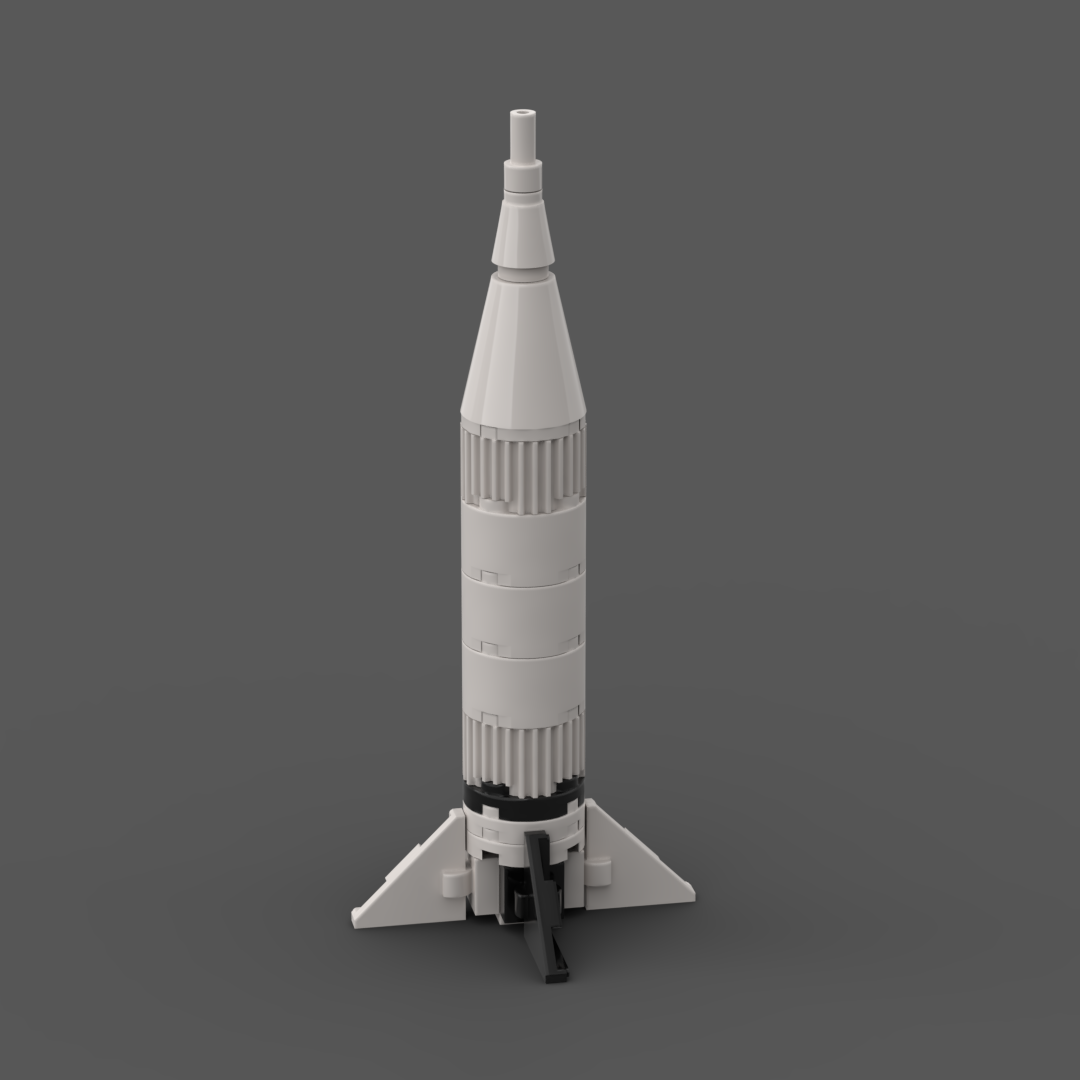
Viking (2nd Model)
Viking (2nd Model)
1st launch attempt: 15 December 1952
Launch Site: White Sands, NM, United States
Orbital Type: Suborbital
Country of Origin: United States
The Legacy of the Desert
By the early 1950s, White Sands had served its purpose. The Germans had taught what they knew, the Americans had learned it, and the frontier had moved. Von Braun’s team transferred to the Redstone Arsenal in Huntsville, Alabama in 1950, leaving behind a proving ground that had fired 67 V-2s, pioneered rocket staging, validated gimballed steering, invented the pressure-stabilised airframe, and built the scientific and operational foundation on which everything that followed would stand.
From these experiments emerged the first generation of American-built rockets: the Corporal, Redstone, Nike, Aerobee, and Atlas. The Redstone would launch America’s first astronauts. The Atlas would carry John Glenn to orbit. The Saturn V that carried Apollo to the Moon drew its engine architecture from propulsion work begun in the New Mexico desert with components salvaged from a German weapons factory.
The ethical questions raised by Operation Paperclip were never cleanly resolved and never will be. The scientists who came to America under its auspices built genuine, extraordinary things. They also came with histories that were deliberately obscured, and the people who obscured them knew what they were doing. Both things are true, and neither cancels the other out.
What is unambiguous is that five years of rocket tests in the New Mexico desert, chaotic, sometimes dangerous, occasionally internationally embarrassing, gave the United States the knowledge it needed to compete in the Space Race. Every American rocket that followed was, in some part, built on what was learned at White Sands between 1946 and 1952.