

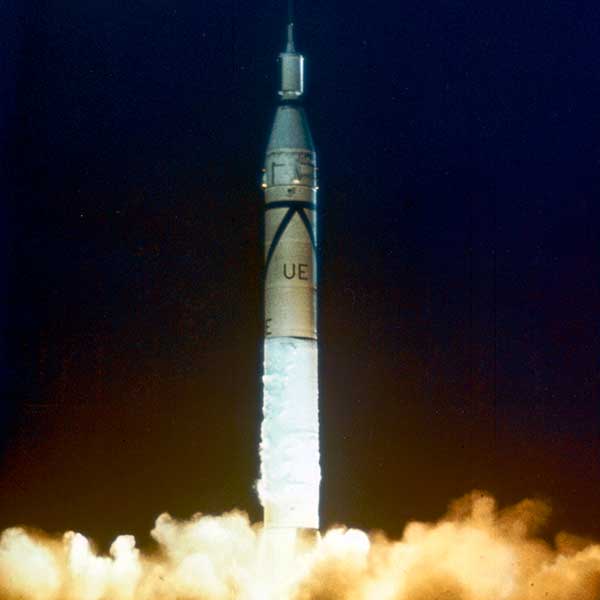
The Army had Wernher von Braun and the most capable rocket in America, but von Braun came with political baggage and the Army was supposed to be fighting wars, not launching satellites. The Navy had a clean, civilian-looking programme that Eisenhower liked the look of, but its rocket existed largely on paper. The Air Force had an intercontinental ballistic missile that wasn’t finished yet and ambitions that stretched well beyond its current capability. And behind all of them, the Soviets were building something in secret that nobody in Washington fully appreciated until it was already in orbit.
What followed was two years of institutional rivalry, spectacular public failure, scrambled contingency plans, and ultimately the creation of an entirely new agency to impose order on the chaos. The birth of NASA was less a visionary act of national purpose than an act of desperate administrative triage. But it worked — and the rockets that emerged from the mess that preceded it would carry American payloads into space for decades.
Three Services, Three Proposals, One Vote
In March 1955, the Eisenhower administration decided that the United States should launch a scientific satellite during the International Geophysical Year of 1957-58. The decision was less straightforward than it sounds, because nobody could agree on who should do it.
Three candidates emerged for the launch vehicle: the Air Force’s SM-65 Atlas, a derivative of the Army Ballistic Missile Agency’s Redstone, and a Navy proposal for a three-stage rocket based on the Viking sounding rocket. A committee was convened under Homer Stewart of the Jet Propulsion Laboratory — the Stewart Committee — to choose between them.
The Army’s proposal, Project Orbiter, was championed by von Braun and General John Bruce Medaris. It used a modified Redstone as the first stage with clusters of solid-fuel Loki rockets above it, and it was by far the most technically mature option. Von Braun had, in fact, already demonstrated this in September 1956 when a test vehicle designated Jupiter C — a modified Redstone with upper stages — reached a peak altitude of 682 miles at a speed of 13,000 miles per hour. It was clear that had the fourth stage been active, it could have put a satellite into orbit. Von Braun’s system worked. He knew it worked. The Army knew it worked. The satellite stage was left deliberately inert, however — because the Pentagon had not authorised a satellite launch, and someone was worried von Braun might be tempted.
The Air Force proposal used the Atlas ICBM, which was still years from completion. The Air Force proposal was not seriously considered, as Atlas development was years behind the other vehicles. That left a straight fight between the Army and the Navy.
The Army’s Redstone-based proposal would likely have been the first ready for a satellite launch. Its connection with German-born scientist Wernher von Braun, however, was a public relations risk. This was the early Cold War, and the optics of America’s first satellite going up on a rocket designed by a former SS officer who had built the V-2 with concentration camp labour were genuinely uncomfortable — even if von Braun was now an American citizen and a celebrated figure. There was also a subtler calculation at work: the Atlas and Redstone ballistic missiles were top-priority military projects, which were not to be hindered by pursuing a secondary space launch mission.
The Navy’s proposal — what would become Project Vanguard — had none of these problems. It was the only rocket that did not emerge from the military missile programs and was specifically designed as a space launcher. It used civilian sounding rockets, it was managed by the Naval Research Laboratory which was seen as a scientific rather than a military institution, and it came with a fully developed plan covering not just the launch vehicle but the satellite, the ground tracking network, and the data analysis. It looked clean. It looked civilian. It looked like science.
There was one more consideration that was never publicly stated. What went unstated at the time was that the U.S. already had a covert satellite program underway, WS-117L, which was developing the ability to launch spy satellites using USAF Thor IRBMs. The U.S. government was concerned that the Soviets would object to military satellites overflying the Soviet Union. The idea was that if a clearly “civilian” and “scientific” satellite went up first, the Soviets might not object, and thus the precedent would be established that space was above national boundaries.
Vanguard would fly the civilian flag. The spy satellites could follow once the legal precedent was set.
On August 3, 1955, the Stewart Committee voted five to two to select Vanguard. Von Braun was furious. Medaris was furious. They were convinced the Navy would fail and the Army would have to step in. They were right about the first part.
Vanguard: The Rocket That Embarrassed a Nation
Project Vanguard was given to the Martin Company — which had built the Viking sounding rocket — with the Naval Research Laboratory coordinating the overall programme. The rocket was an elegant three-stage design: a Viking-derived liquid first stage, an Aerobee-derived liquid second stage, and a solid-propellant third stage. It had no fins; steering was achieved through gimballed engines. The second stage housed the vehicle’s telemetry system, the inertial guidance system and the autopilot.
The original schedule called for at least six test launches before any satellite attempt. There was, everyone agreed, plenty of time. The IGY didn’t start until July 1957. Things would proceed methodically.
Then, on 4 October 1957, the Soviet Union launched Sputnik.
The beep of Sputnik’s radio transmitter was heard around the world and sent Washington into something approaching panic. The Soviets had beaten America to orbit, and the response needed to be swift and visible. The problem was that Vanguard wasn’t ready. The programme had suffered technical delays, and only two test flights had been conducted, neither of which carried a satellite. The third test vehicle — TV-3 — had not completed its planned test series. It didn’t matter. Public pressure demanded an immediate response. Rather than completing the planned test series, officials decided to accelerate the timeline, adding a tiny 3.25-pound, 6.4-inch diameter satellite to the TV-3 test vehicle.
On 6 December 1957, with the world watching, Vanguard TV-3 lifted off from Cape Canaveral’s Launch Complex 18A. It rose approximately four feet. Then it lost thrust, settled back onto the pad, fell against the launch structure, and exploded in a fireball that destroyed the vehicle and sent the small satellite bouncing across the concrete, where it landed in the scrub nearby and began transmitting its signal plaintively to nobody in particular.
The press called it “Flopnik.” They called it “Kaputnik.” Nikita Khrushchev mockingly referred to the satellite as “the grapefruit.” Dorothy Kilgallen of the New York Journal-American wrote: “Why doesn’t somebody go out there, find it, and shoot it?” It was one of the most public humiliations in American technological history.
In Huntsville, Alabama, General Medaris turned to von Braun and told him to get the rocket ready.
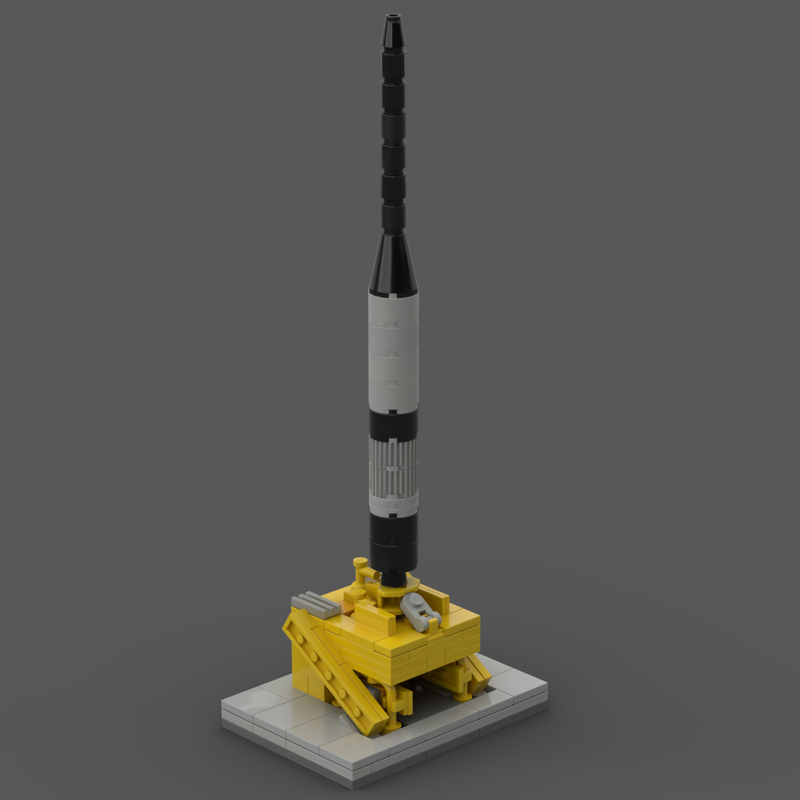
Vanguard
Jupiter-C and Explorer 1: America Gets to Orbit
On October 5, 1957 — the day after Sputnik reached orbit — General Medaris told von Braun to quietly start getting the rocket ready for launch. Vanguard was on deck, and still certain the Navy would fail, Medaris wanted the Army to be ready to step in and save the day.
After Kaputnik, they were authorised to do exactly that. The Army moved its Jupiter-C vehicle to Cape Canaveral and began final preparations. The satellite — Explorer 1, designed by the Jet Propulsion Laboratory — was a slim cylinder weighing just under 14 kilograms, carrying a Geiger counter, thermometers, a microphone for detecting micrometeorite impacts, and two radio transmitters.
At 10:48 pm on 31 January 1958, the firing command was given. Jupiter-C rose off the pad and sent Explorer 1 into an orbit ranging from 225 to 1,594 miles altitude. America was in space. The data from Explorer 1’s Geiger counter, analysed by physicist James Van Allen, would reveal the radiation belts surrounding Earth that now bear his name — one of the most significant scientific discoveries of the Space Age, made by a satellite that had been prepared as a backup to a programme everyone expected to fail.
Vanguard eventually recovered its dignity. On 17 March 1958, Vanguard TV-4 succeeded in orbiting the Vanguard 1 satellite, reaching a relatively high orbit of 3,966 by 653 kilometres. That satellite — the size of a grapefruit, weighing 1.47 kilograms — is still in orbit today. Vanguard 1 and its third stage remain in orbit as the oldest man-made artifacts in space. Khrushchev’s grapefruit will outlast everything.
The full Vanguard programme ultimately launched eleven rockets and achieved orbit three times — a failure rate that remains one of the worst in American launch history. But its technology wasn’t wasted. The rocket’s upper stages formed the basis for upper stage configurations employed on Atlas-Able, Thor-Able and Scout rockets, and Vanguard technology even found its way into the NASA Apollo program.
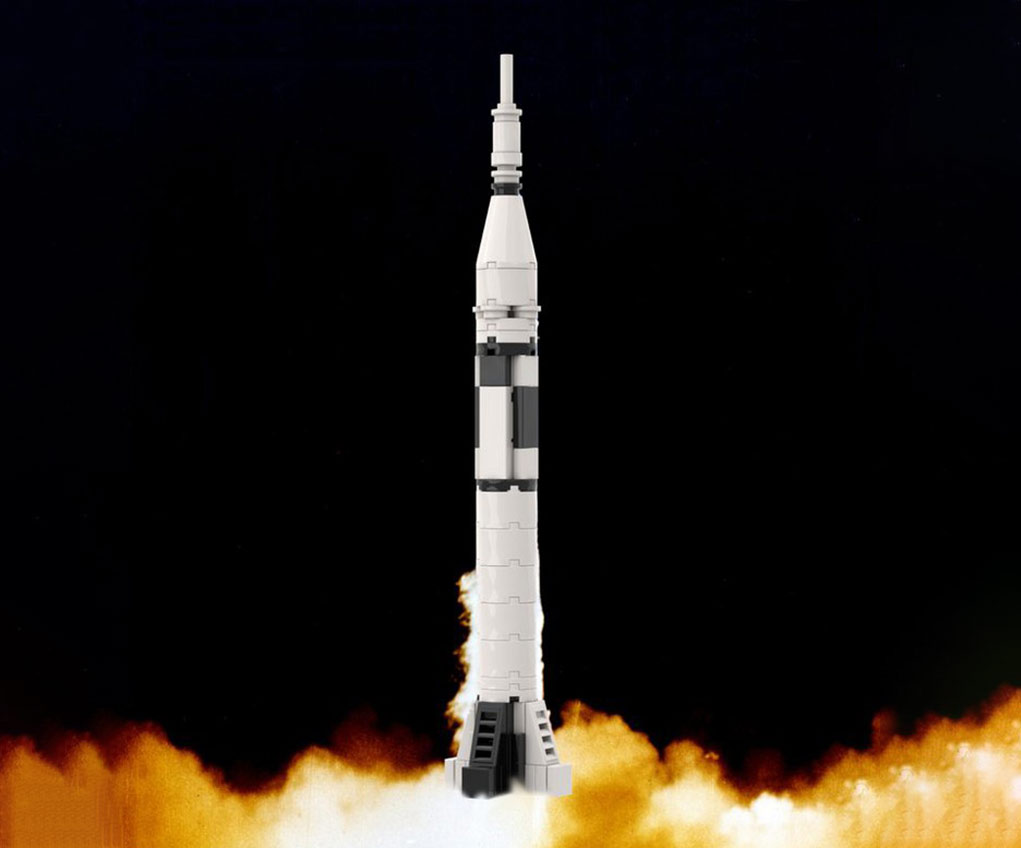
Juno I
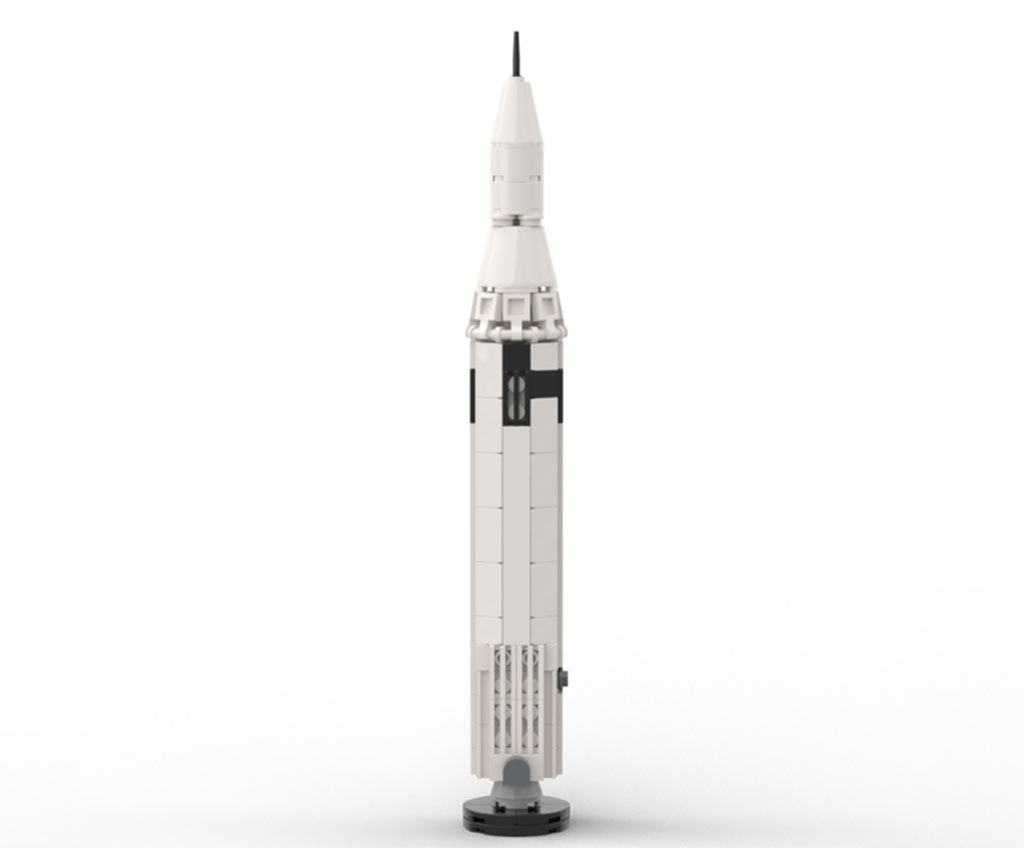
Juno II
Thor: The Missile That Became Everything
While Vanguard was struggling and the Army was preparing Jupiter-C, the Air Force had been developing its own ballistic missile — and in doing so, inadvertently created one of the most important and long-lived launch vehicle families in American history.
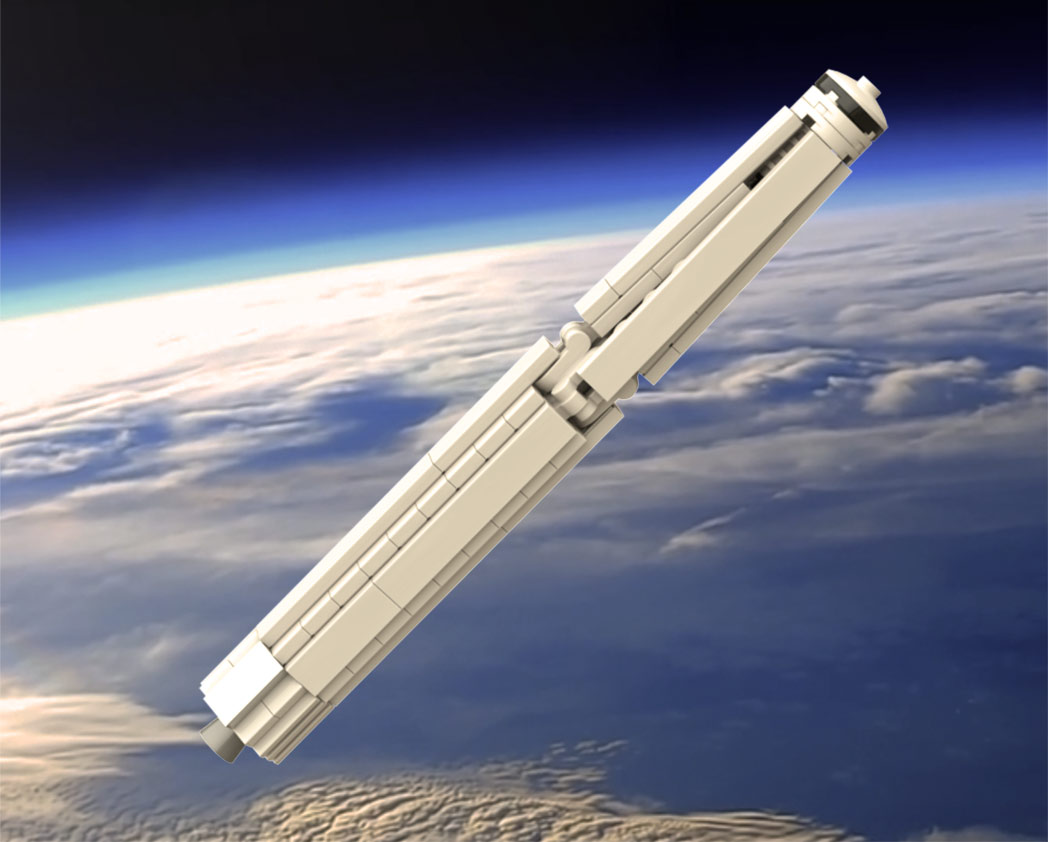
The PGM-17A Thor was the first operational ballistic missile of the United States Air Force, named after the Norse god of thunder. Its origin was characteristic of the interservice chaos of the period: the Air Force had been developing the Atlas ICBM, but realised in 1954 that the Soviet Union — and possibly the Army — would deploy intermediate-range ballistic missiles years before Atlas was ready. Facing the prospect of losing the IRBM mission to another service, the Air Force launched a crash programme. On November 30, 1955, three companies were given one week to bid on the project: Douglas, Lockheed, and North American Aviation. Douglas was awarded the contract at the end of December.
The development pace was extraordinary even by the standards of the era. Thor was 20 metres tall and burned liquid oxygen and RP-1 kerosene through a single Rocketdyne engine producing around 150,000 pounds of thrust, with two small vernier engines for roll control. The first generation of Thor missiles were rushed into service, and design mistakes resulted in a 24% launch failure rate. Early engines suffered from foaming turbopump lubricating oil at high altitude and bearing retention issues. Turbopump failures caused pad explosions. The programme improved rapidly through iterative testing, and the first successful Thor launch took place on 20 September 1957.
As a weapon, Thor’s life was short. It was deployed in the United Kingdom with the Royal Air Force between 1959 and September 1963 under US-UK dual key control, operated by 20 RAF squadrons. No NATO allies other than Britain would accept Thor on their soil — Italy and Turkey took the competing Jupiter instead. Once Atlas ICBMs became operational and could strike Soviet targets from American soil, the need for forward-deployed IRBMs evaporated. Thor was retired from military service by 1963.
But Thor was only getting started.
Thor DM-18
The Thor Family: From Missile to Workhorse
The transformation of Thor from military missile to space launcher began almost immediately after its first flights, driven by the urgent post-Sputnik demand for orbital capability.
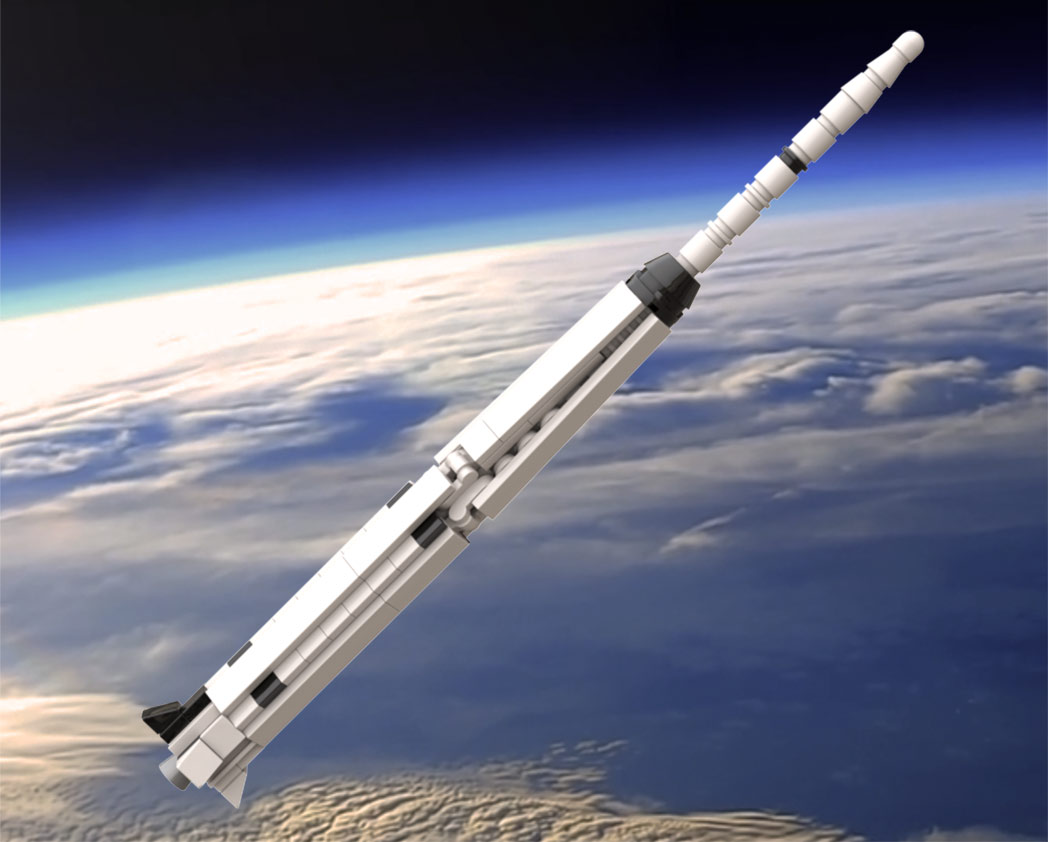
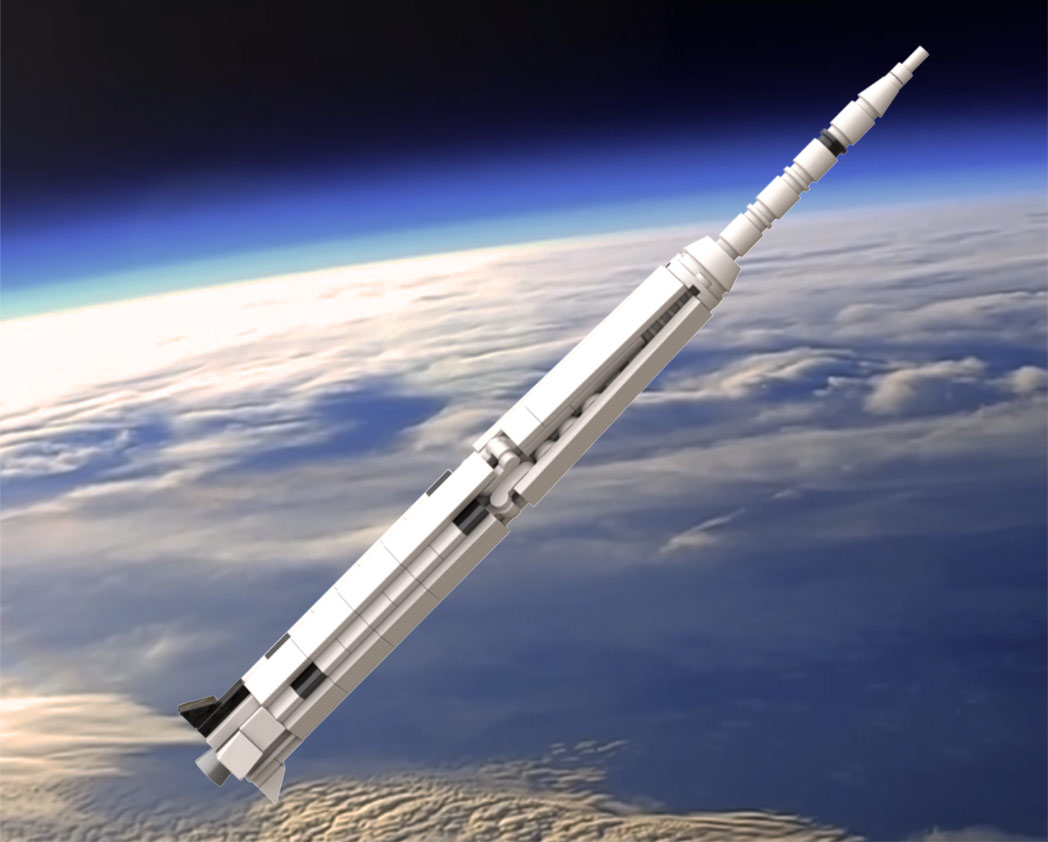
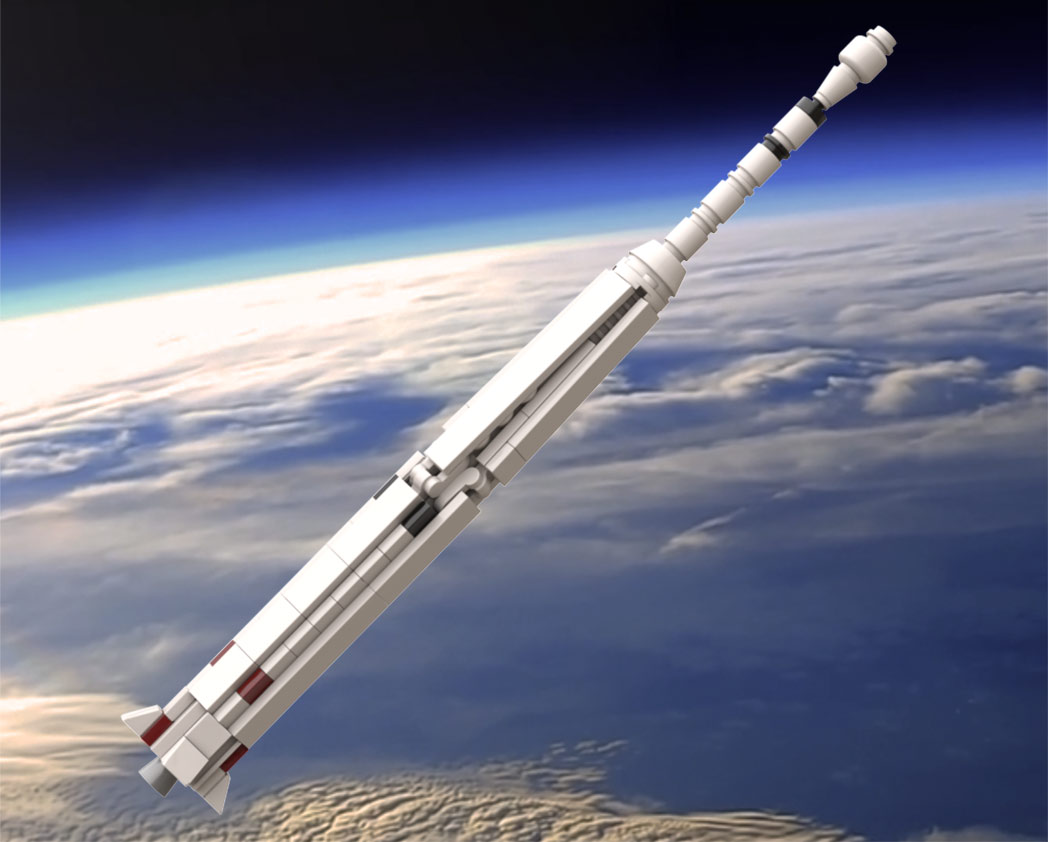
Thor-Able was the first Thor-based variant adapted for space launches, introduced in 1958. It combined the Thor first stage with an upper stage derived directly from Vanguard’s second stage — the two programmes that had been rivals were now collaborating. Thor-Able was initially designed for testing military reentry vehicles at ICBM ranges and speeds, but was quickly modified to carry small satellites and planetary probes. It launched the first four Pioneer lunar probes between 1958 and 1960, though most of those missions failed to reach the Moon. What they did do was prove the Thor-Able combination as a viable space launch system.
Thor-Agena followed. A two-stage vehicle using the Lockheed-built Agena as the upper stage, the Thor-Agena became the workhorse of America’s early reconnaissance satellite programme. Thor-Agena rockets launched Corona spy satellites — the classified programme that used film canisters ejected from orbit and caught in mid-air over the Pacific — giving American intelligence analysts their first systematic overhead view of Soviet military installations. The Agena upper stage was itself a remarkable piece of engineering, capable of restarting its engine in orbit and manoeuvring to different inclinations — a capability that made it invaluable for reconnaissance, scientific, and communications missions alike. Thor-Agena variants flew from 1959 through 1972 across dozens of missions, evolving through successive Agena A, B, and D upper stage generations as payloads grew heavier.
In 1960, the commercial Thor-based rockets were renamed Delta — a cleaner designation for a vehicle that had moved well beyond its military origins. The modern Delta II was a direct descendant of the Thor-Able, and the Delta family would go on to serve as one of America’s most reliable launch vehicles for half a century. A missile that first flew successfully in September 1957 was still launching satellites into the 21st century under its Delta descendants — one of the longest operational lineages in the history of rocketry.
Thor Able I
Thor Able II
Thor Able II (wide fairing)
Thor Able II (wide fairing)
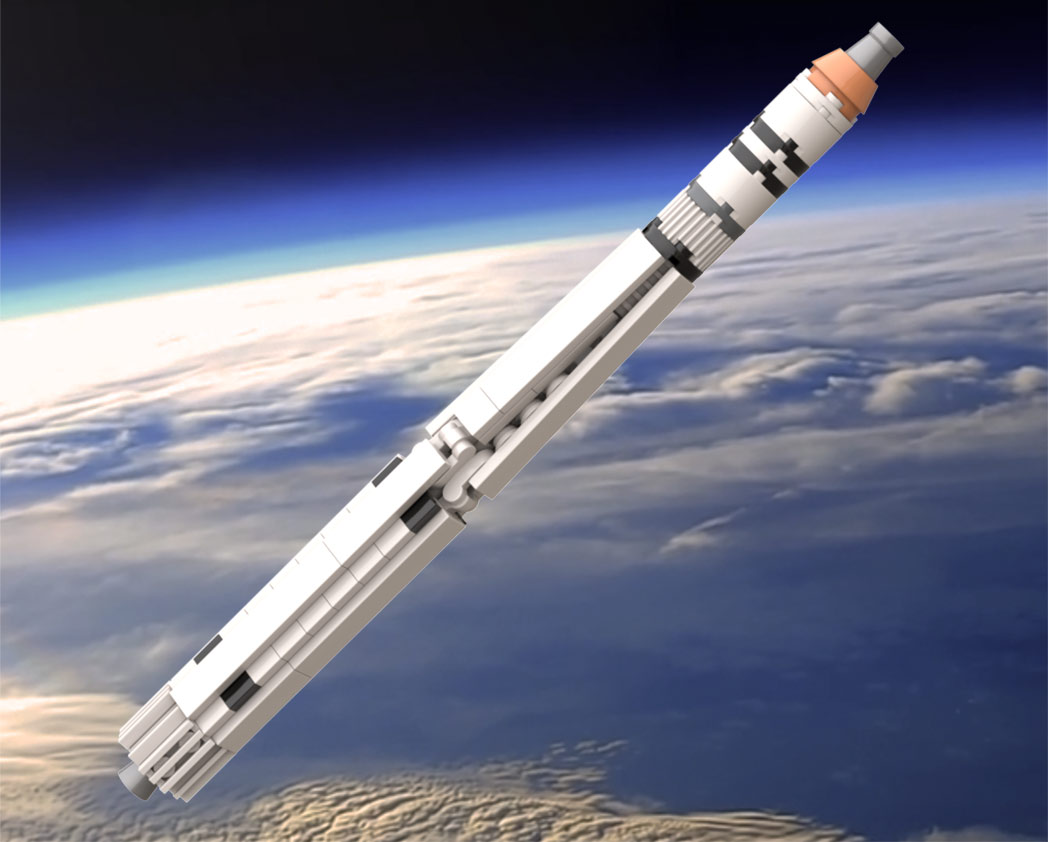
Thor Agena A
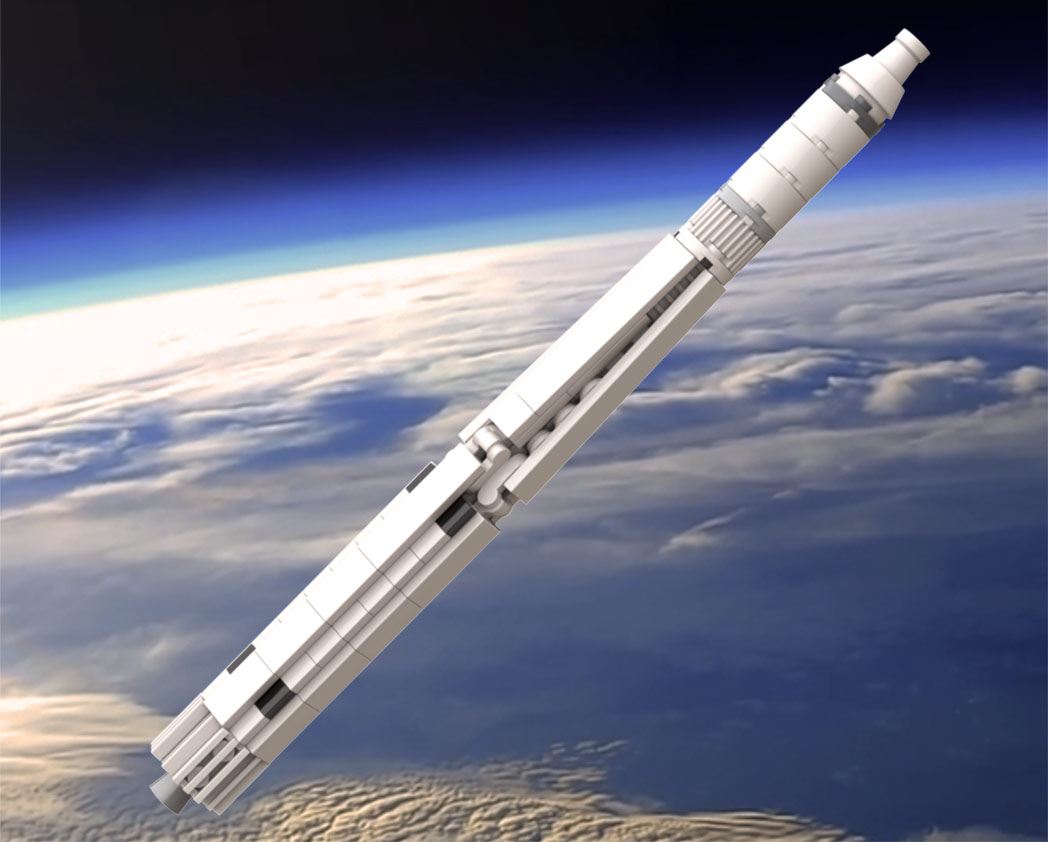
Thor Ablestar
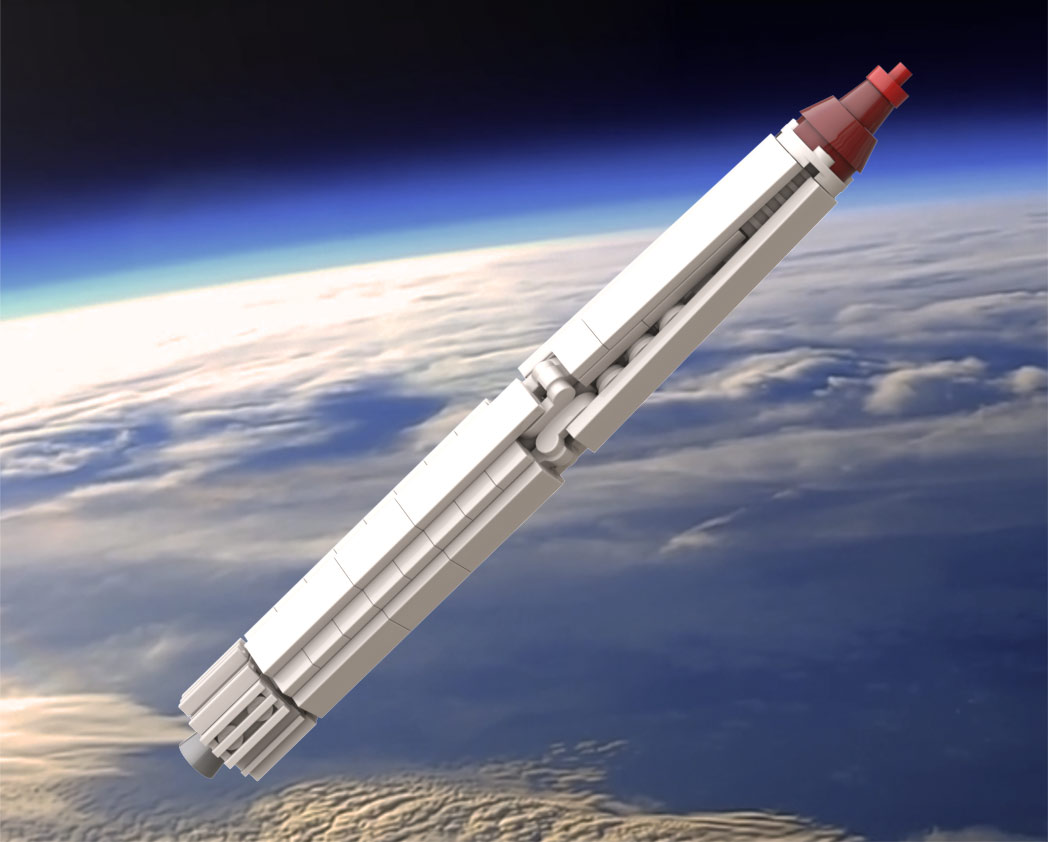
Thor Burner II
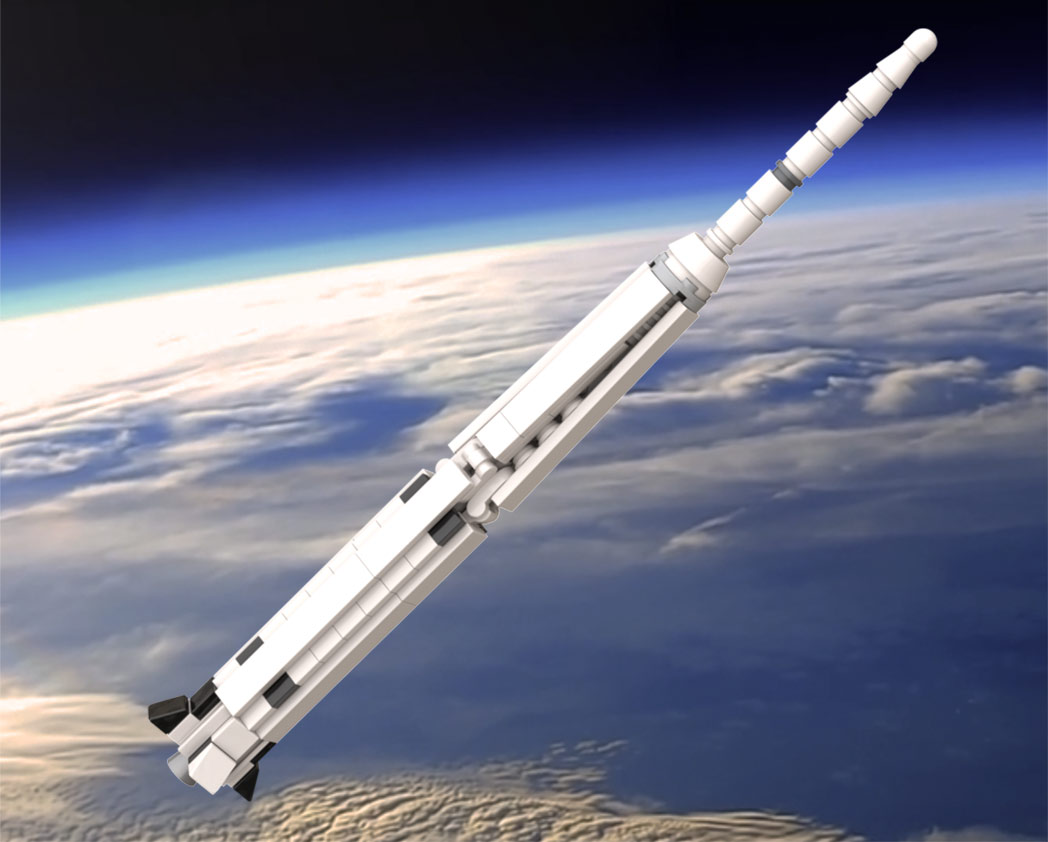
Thor Delta A
Creating Order: The Birth of NASA
By early 1958, the situation was untenable. The Army, Navy, and Air Force were each running independent space programmes, competing for budgets, fighting over Cape Canaveral launch slots, and generating confusion at every level of government. Eisenhower — who had never wanted a space race in the first place, and had been privately frustrated by the hysteria following Sputnik — recognised that the fragmentation had to end.
In the aftermath of Sputnik, Eisenhower implemented massive reforms in the civil and military space programs. DARPA was established to reduce interservice rivalry, raise the profile of space, and reduce redundancy. But DARPA was a temporary measure. What Eisenhower wanted was a permanent civilian agency, insulated from interservice politics, that could pursue space exploration as a national rather than a military endeavour.
On 29 July 1958, he signed the National Aeronautics and Space Act into law, officially establishing the National Aeronautics and Space Administration. NASA inherited the National Advisory Committee for Aeronautics — 43 years of aeronautical research, eight thousand employees, and a collection of research facilities including Langley, Ames, and Lewis — and assumed control of civilian space programmes from the military services. It began operations on 1 October 1958.
The Army’s team in Huntsville — von Braun included — resisted transfer to NASA for as long as possible. Medaris lobbied Congress, testified that the Air Force had a long history of non-cooperation, and argued that the Army should retain its space mission. He lost. The Army Ballistic Missile Agency was transferred to NASA in 1960, becoming the nucleus of what would eventually be the Marshall Space Flight Center. Von Braun went with it, and spent the next decade building the Saturn V.
The Air Force retained its military space programmes — reconnaissance satellites, missile early warning systems, anti-satellite research — and continued flying Thor-Agena missions for intelligence purposes long after NASA came into existence. The separation between civilian and military space was never as clean as the legislation implied. But the creation of NASA gave American civil space exploration a home, a budget, and a mandate that none of the competing services had been able to provide on their own.
It had taken two years, three competing rocket programmes, one spectacular public failure, a Soviet satellite, and an act of Congress to get there. But on 1 October 1958, NASA opened its doors. The Space Age, for America, had officially begun.