

In the summer of 1965, a spacecraft called Mariner 4 sent home 22 photographs of Mars. They showed a cratered, barren, apparently dead world — no canals, no vegetation, no signs of the civilisation some astronomers had spent careers imagining. It was a profound disappointment and a profound achievement simultaneously. For the first time in human history, people were looking at actual photographs of another planet’s surface. The universe had become slightly more knowable, and slightly less romantic, in the space of a single data transmission.
What followed over the next two and a half decades was one of the most extraordinary periods of exploration in human history. With no human beings aboard, and often with no guarantee of success, a small fleet of robotic emissaries fanned out across the solar system and sent back what they found. By the end of the 1980s, every planet in the solar system had been visited by at least one spacecraft. We had seen volcanoes on Io, rings around Uranus, a vast canyon system on Mars, and the scorched, crushing surface of Venus. We had touched down on another planet and tested its soil for life, and found an answer that nobody could quite agree on.
This is the story of the machines we sent, and what they told us.
Mariner: The Pathfinders
The Mariner programme was already well underway by the early 1970s, but its final missions were among its most significant. Mariner 9, arriving at Mars in November 1971 during a planet-wide dust storm, became the first spacecraft to orbit another planet — and when the dust cleared, it revealed a world far more complex than Mariner 4 had suggested. Enormous shield volcanoes. A canyon system — Valles Marineris — stretching nearly a quarter of the way around the planet. Ancient riverbeds suggesting that liquid water had once flowed there. Mars was not the dead world the early photographs had implied. It was a world that had once been very different.
Mariner 10, launched in November 1973, was more quietly revolutionary. It performed the first gravity assist manoeuvre of any interplanetary probe — using Venus’s gravity to bend its trajectory toward Mercury — becoming the first spacecraft to visit two planets in a single mission. Its three flybys of Mercury between 1974 and 1975 revealed a heavily cratered world with a weak but real magnetic field, and mapped roughly 45% of its surface. Nobody would see Mercury up close again for three decades.
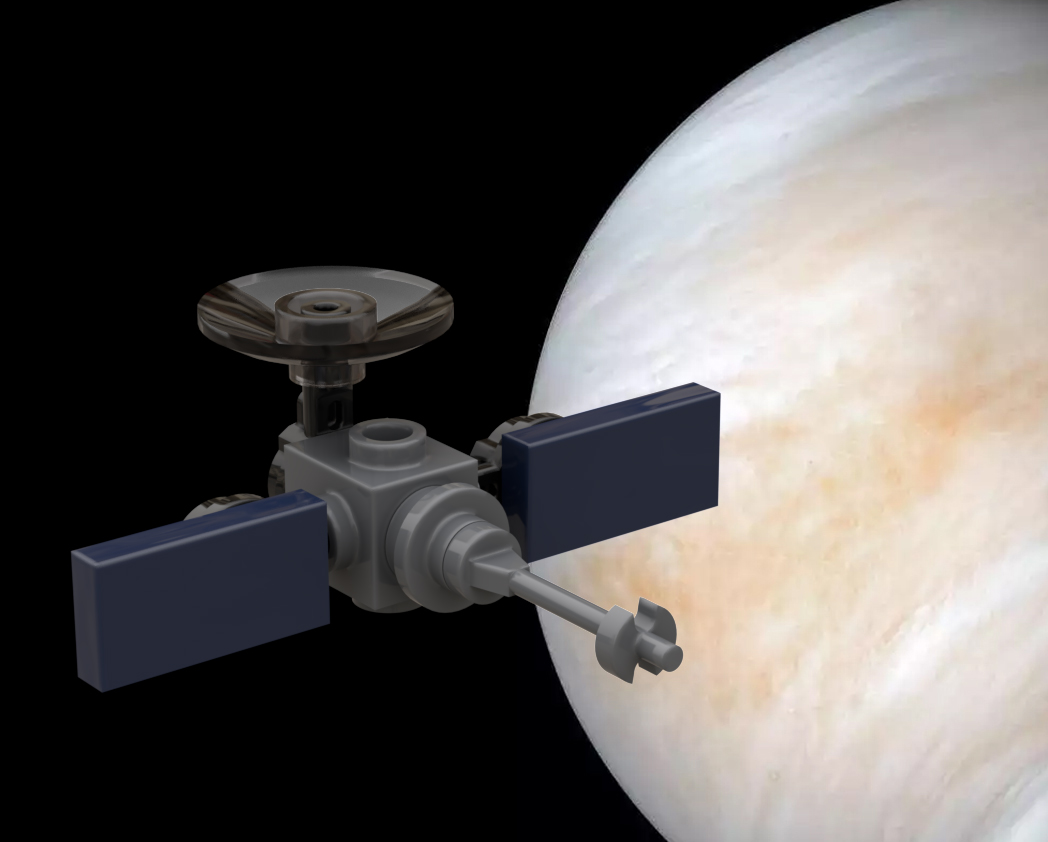
Mariner 2
Mariner 2
1st launch attempt:
Launch Site:
Orbital Type:
Country of Origin:
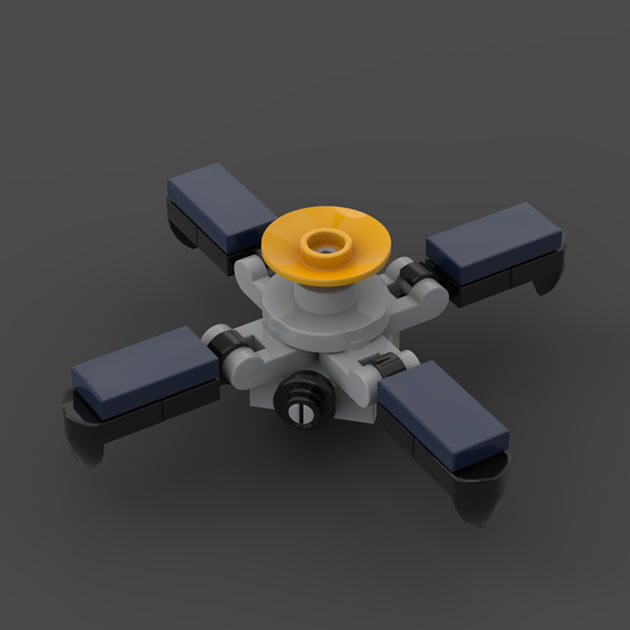
Mariner 4
Mariner 4
1st launch attempt:
Launch Site:
Orbital Type:
Country of Origin:
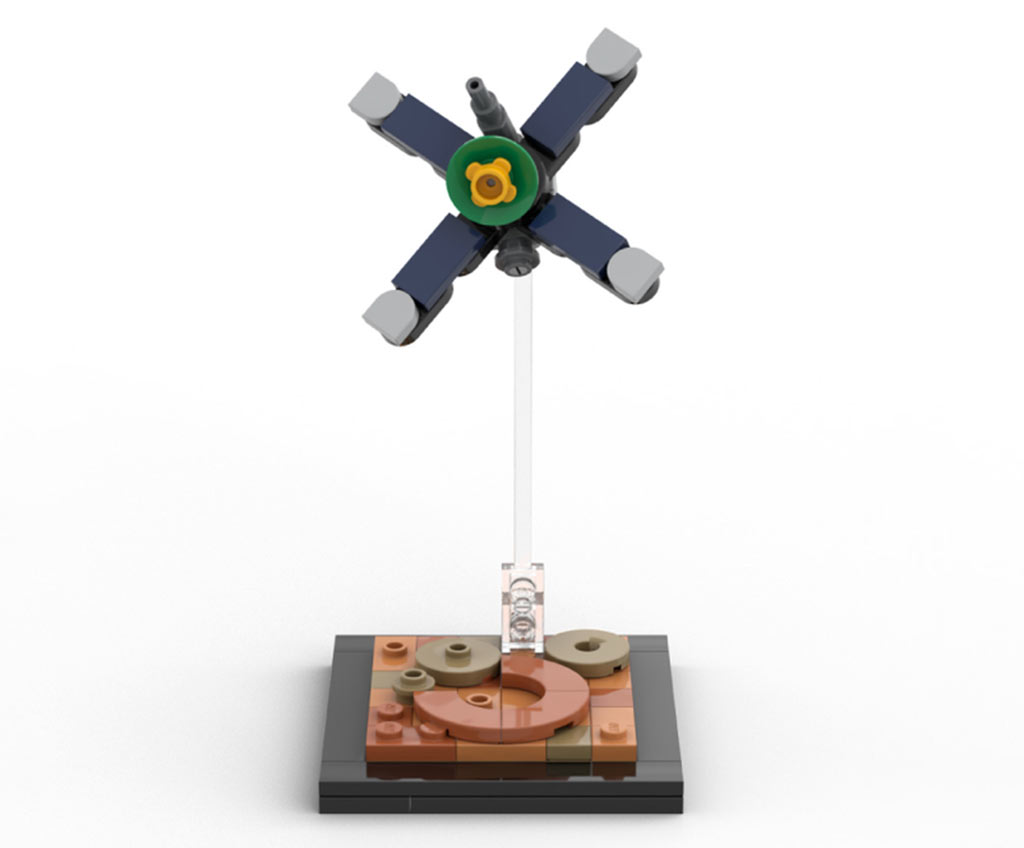
Mariner 4
Mariner 4
1st launch attempt:
Launch Site:
Orbital Type:
Country of Origin:
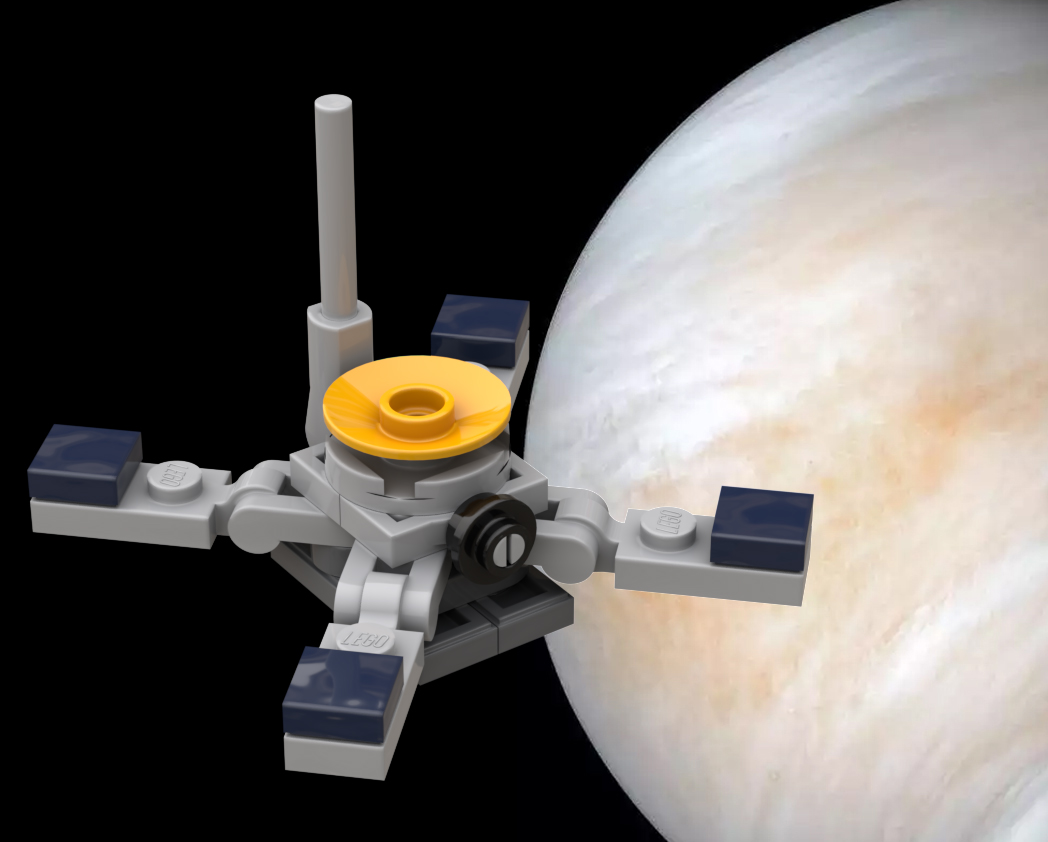
Mariner 5
Mariner 5
1st launch attempt:
Launch Site:
Orbital Type:
Country of Origin:
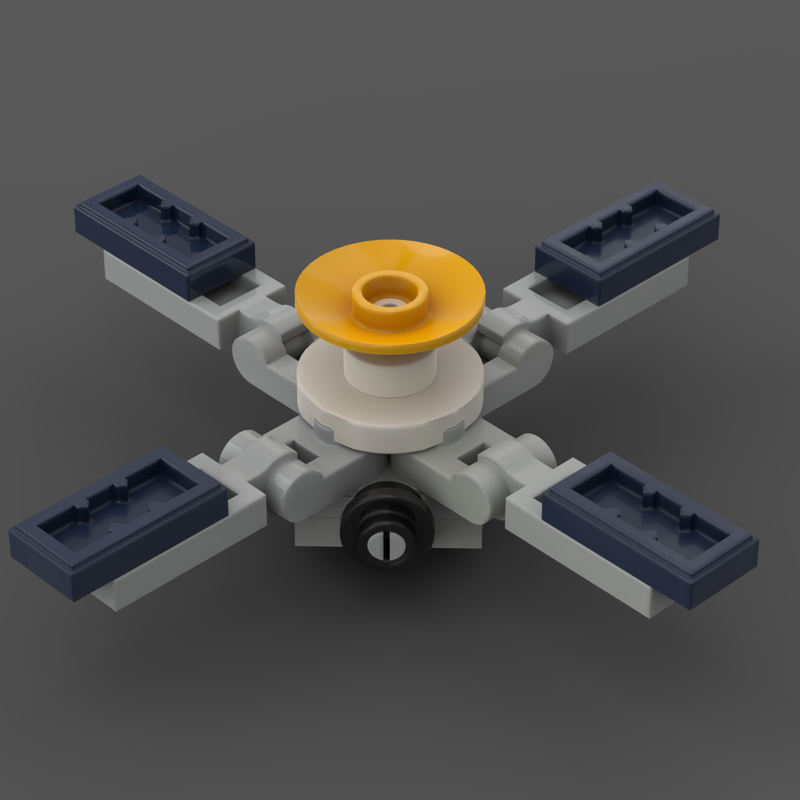
Mariner 6/7
Mariner 6/7
1st launch attempt:
Launch Site:
Orbital Type:
Country of Origin:
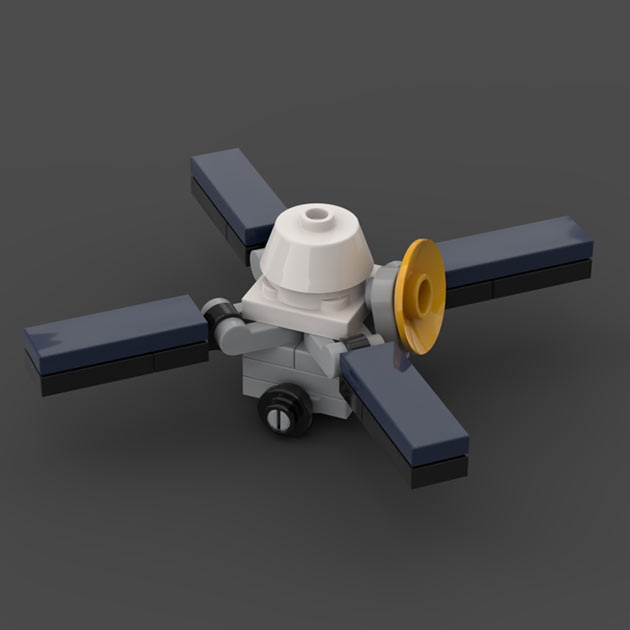
Mariner 9
Mariner 9
1st launch attempt:
Launch Site:
Orbital Type:
Country of Origin:
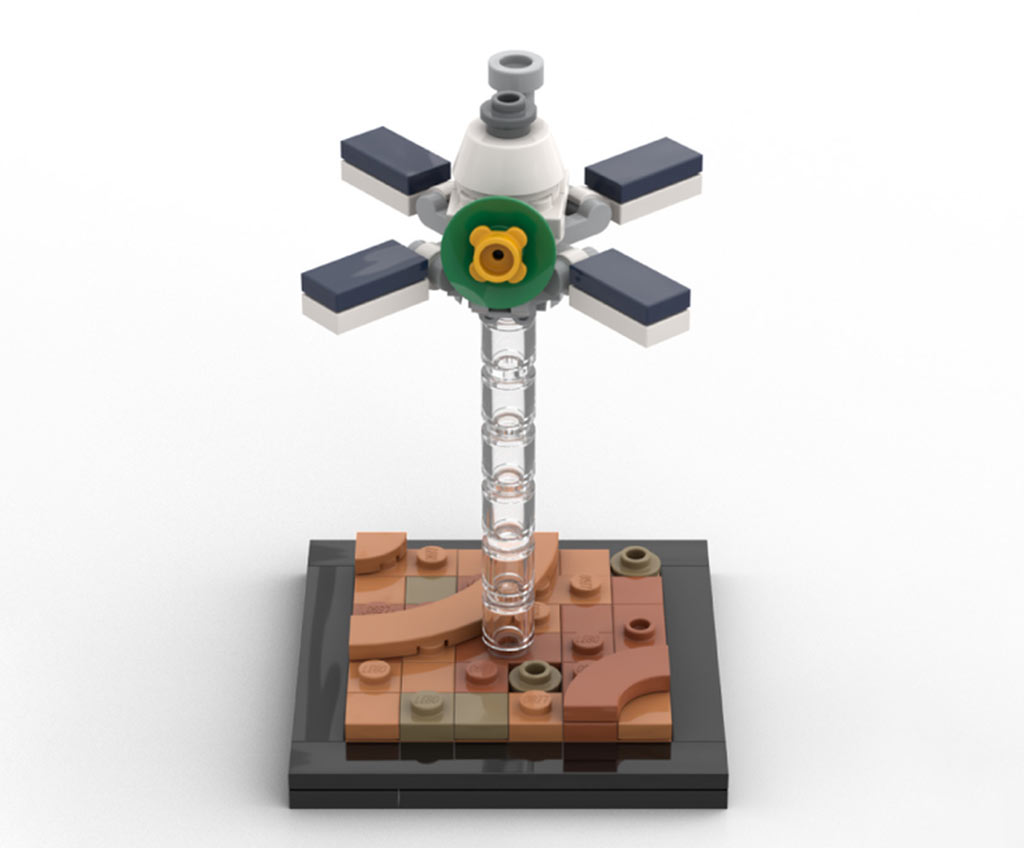
Mariner 9
Mariner 9
1st launch attempt:
Launch Site:
Orbital Type:
Country of Origin:
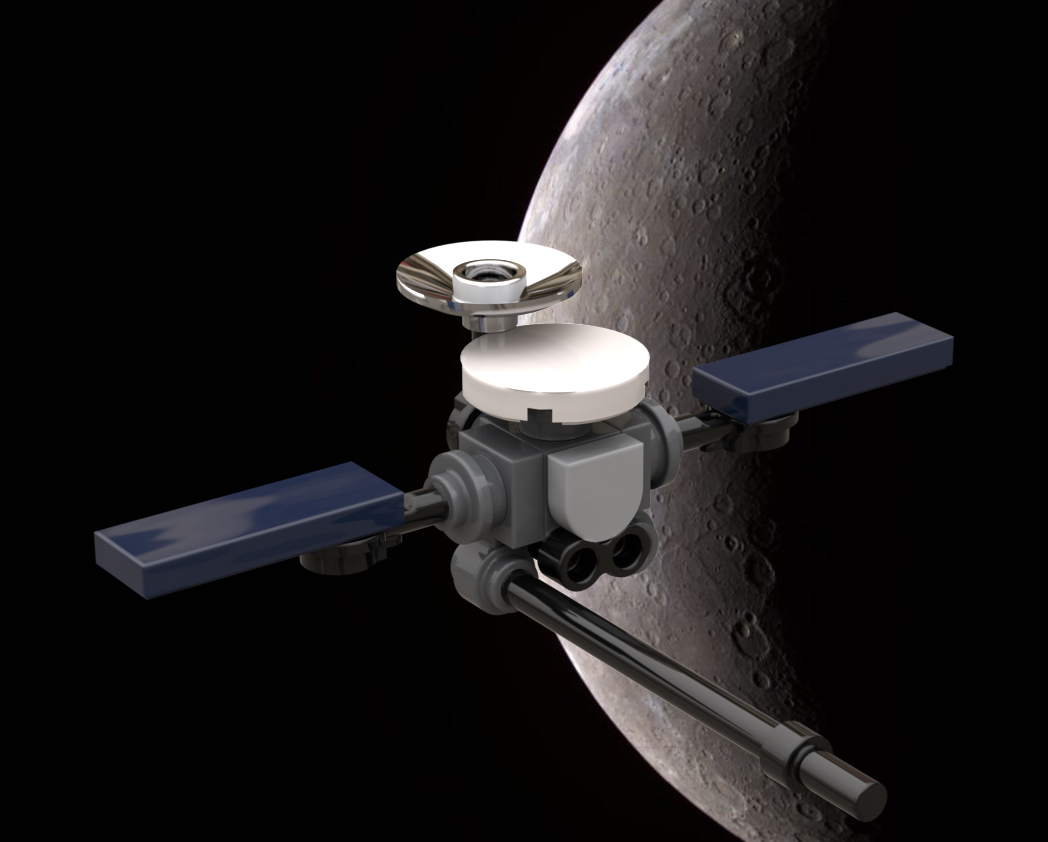
Mariner 10
Mariner 10
1st launch attempt:
Launch Site:
Orbital Type:
Country of Origin:
Viking: Looking for Life on Mars
In the summer of 1976, two identical spacecraft arrived at Mars and each released a lander to the surface. Viking 1 touched down on July 20th — the seventh anniversary of the Apollo 11 landing. Viking 2 followed six weeks later on the other side of the planet.
The images they returned were immediately iconic: a red, rock-strewn landscape under a salmon-pink sky, utterly alien and yet somehow familiar. But it was what the landers did next that mattered most. Each one carried a miniature biology laboratory that scooped up Martian soil and ran three separate experiments designed to detect signs of microbial life.
The results were — and remain — deeply ambiguous. One experiment, the Labeled Release experiment, produced results that looked, at first glance, exactly like what you’d expect from living microbes metabolising nutrients. Scientists on the Viking team were briefly convinced they had found life. Then a separate instrument failed to detect any organic compounds in the soil at all, which seemed to rule it out. The most widely accepted explanation today is that the Martian soil contains highly reactive chemical compounds that mimicked biological activity without any biology being involved. But the debate has never been entirely settled, and it colours Mars exploration to this day.
Pioneer: Crossing the Asteroid Belt
Pioneer 10 and 11 were the first spacecraft to cross the asteroid belt — a region that many scientists had worried might be too densely packed with debris to traverse safely. In December 1973, Pioneer 10 became the first spacecraft to visit Jupiter, returning detailed images of the giant planet and its moons and measuring the intense radiation belts surrounding it. Pioneer 11 followed a year later and then continued on to Saturn, reaching it in 1979 and sending back the first close-up images of its rings.
Both spacecraft carried a gold-anodised aluminium plaque designed by Carl Sagan — a message to any intelligent civilisation that might find them in the distant future, depicting a man and a woman, our position in the galaxy, and the structure of the hydrogen atom. It was an act of optimism so audacious it bordered on poetry: two small machines, heading for the stars, carrying humanity’s greeting card.
Pioneer 10 crossed the orbit of Neptune in 1983, becoming the first human-made object to travel beyond the outermost planet. It continued transmitting until 2003, by which point it was over 80 astronomical units from the Sun.
Voyager: The Grand Tour
In 1965, a young JPL scientist named Gary Flandro noticed something remarkable while working on trajectory calculations. In the late 1970s, the outer planets would align in a configuration that occurred only once every 175 years — a geometry that would allow a single spacecraft, using gravity assists at each planet, to visit Jupiter, Saturn, Uranus, and Neptune in a single journey. The window opened in 1977. NASA launched two spacecraft to take advantage of it.
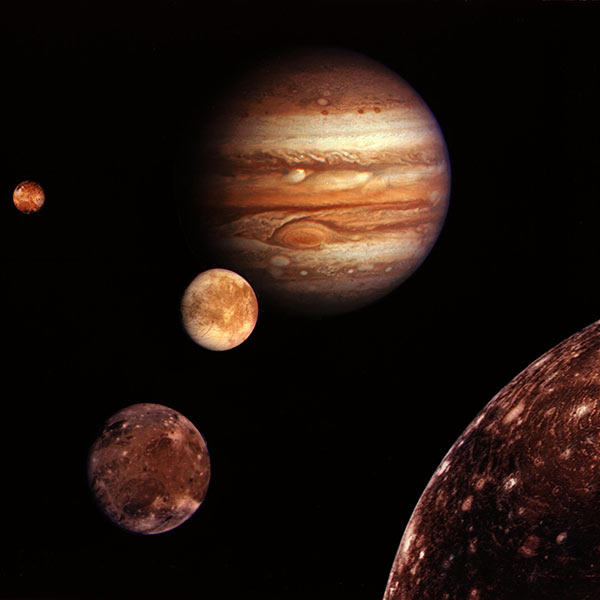
Voyager 1 and Voyager 2 left Earth sixteen days apart in the late summer of 1977. What they found as they moved through the outer solar system fundamentally rewrote our understanding of it. At Jupiter, Voyager 1 discovered active volcanoes on the moon Io — the first active volcanoes ever seen on a body other than Earth. It found evidence of a subsurface ocean beneath the ice of Europa. It revealed that Jupiter had a faint ring system nobody had known about.
Voyager 2 arrived at Saturn in August 1981, then continued on trajectories Voyager 1 had not taken. In January 1986, it flew past Uranus — the only spacecraft ever to do so — finding a planet tilted so far on its axis that it essentially rolls around the Sun on its side, with a system of dark, narrow rings and a suite of strange, geologically active moons. Three years later, in August 1989, Voyager 2 reached Neptune and discovered a dynamic, storm-wracked atmosphere including a Great Dark Spot comparable in scale to Jupiter’s Great Red Spot, and a moon — Triton — that orbits backwards relative to the planet’s rotation and spits nitrogen geysers from its surface.
Voyager 1 crossed into interstellar space — beyond the boundary of the Sun’s influence — in August 2012. As of today, both Voyagers are still transmitting, their nuclear power sources slowly fading, their signals taking over twenty hours to reach Earth at the speed of light. They are the most distant human-made objects in existence.
Venera: The Soviet Masterclass
While NASA dominated the outer solar system, the Soviet Union was quietly achieving something equally extraordinary at Venus — a planet so hostile that early probes were crushed or melted within minutes of entering its atmosphere.
The Venera programme ran from the early 1960s through to the mid-1980s and represents one of the great sustained achievements of robotic exploration. Early missions mapped the atmosphere. Venera 7, in December 1970, became the first spacecraft to successfully transmit data from the surface of another planet, surviving for 23 minutes in temperatures of nearly 500 degrees Celsius under atmospheric pressure ninety times greater than Earth’s. Venera 9 and 10, in 1975, sent back the first photographs from the Venusian surface — stark, rocky landscapes that looked almost geological, startlingly real.
The later Venera missions achieved even more. Venera 13, in March 1982, survived on the surface for just over two hours — a near-miraculous feat of engineering in an environment that makes the surface of Mars look hospitable — and sent back the first colour photographs from Venus, showing flat, slab-like rocks in an orange light filtered through kilometres of sulphuric acid cloud. Venera 15 and 16, arriving in 1983, used radar to map the northern hemisphere of Venus in detail, revealing a surface shaped by volcanism and tectonics on a massive scale.
The programme ended in 1984, but its final act was characteristically ambitious.
Vega and the Halley Armada
In 1985, with Halley’s Comet making its once-in-75-years return to the inner solar system, the world’s space agencies did something they had rarely managed during the Cold War: they cooperated.
The Soviet Union launched two probes — Vega 1 and Vega 2 — on a remarkable double mission. Each dropped a lander and balloon probe into Venus’s atmosphere during a flyby, then continued on to intercept Halley’s Comet in March 1986. Japan sent two smaller probes — Sakigake and Suisei — for long-range measurements. And ESA launched Giotto, its first deep space mission, on an Ariane 1 rocket in July 1985.
The coordination was deliberate and essential. The plan was for the Japanese spacecraft to make long-distance measurements, the Soviet Vegas to act as pathfinders passing close enough to locate the comet’s nucleus, and the information they sent back would allow Giotto to home in with great accuracy on Halley’s solid heart.
Giotto was not expected to survive the encounter — passing through the coma of a comet at 68 kilometres per second in a hail of ice and dust particles was considered potentially lethal for the spacecraft. It was battered. A dust particle struck it seconds before closest approach and sent it spinning, knocking out its camera. But it survived, passing within 596 kilometres of the nucleus, and its images showed for the first time the shape of a comet nucleus and found the first evidence of organic material in a comet. The nucleus was dark — darker than coal — potato-shaped, about 15 kilometres long, with bright jets of gas and dust erupting from its sunlit side.
The Halley Armada was the first genuinely international planetary science campaign, and a preview of how space exploration would increasingly work in the decades ahead.
Lunokhod and the Soviet Rovers
Before NASA landed rovers on Mars, the Soviet Union was driving robots across the Moon. Lunokhod 1, delivered by the Luna 17 mission in November 1970, was the first remote-controlled rover to operate on another world. It operated for 11 lunar months, travelling 10.5 kilometres while conducting panoramic imaging, soil mechanics tests, and laser ranging experiments. Lunokhod 2, in 1973, covered nearly 39 kilometres — a record for extraterrestrial surface travel that stood until a Mars rover broke it four decades later.
These missions are often overlooked in histories dominated by Apollo, but they were remarkable achievements in robotic autonomy and surface science, accomplished at a fraction of the cost of crewed exploration.
The Decade Closes
By the end of the 1980s, the golden age of first exploration was effectively over. Every planet had been visited. The broad outlines of the solar system were known. What remained — and what the following decades would pursue — was depth rather than breadth: orbiters, landers, rovers, and eventually sample return missions that would spend years rather than hours at their destinations.
What the 70s and 80s had given us, above all, was perspective. We had gone from knowing our solar system as points of light and blurry telescope images to having actual photographs — surface photographs, atmospheric data, magnetic field measurements — from every planet we could reach. We had found volcanoes on Io, oceans beneath the ice of Europa, a canyon on Mars that dwarfed anything on Earth, and organic molecules in the heart of a comet. We had searched for life on Mars and received an answer we still aren’t sure how to interpret.
The universe turned out to be stranger, richer, and more various than anyone had imagined. The machines we sent to look at it came back — or rather, sent back — evidence that we had barely begun to understand the neighbourhood we live in.