

In the mid-1970s, the Soviet Union watched America’s Space Shuttle programme take shape and reached an uncomfortable conclusion. A reusable, winged spaceplane capable of carrying large payloads into orbit and returning them to Earth wasn’t just a transportation system — it was potentially a weapons platform. It could, in theory, swoop into orbit, grab a Soviet satellite, and bring it home before anyone could respond. The Soviet military didn’t know exactly what the Americans planned to do with the Shuttle. That uncertainty was enough.
The response was authorised in February 1976: the Soviet Union would build its own reusable spaceplane. It would be called Buran — blizzard. And alongside it, they would build the rocket to carry it: Energia.
What followed was the most ambitious and expensive programme in Soviet space history. And it would end in a collapsed roof in Kazakhstan, fourteen years after its only flight.
The Machine They Built
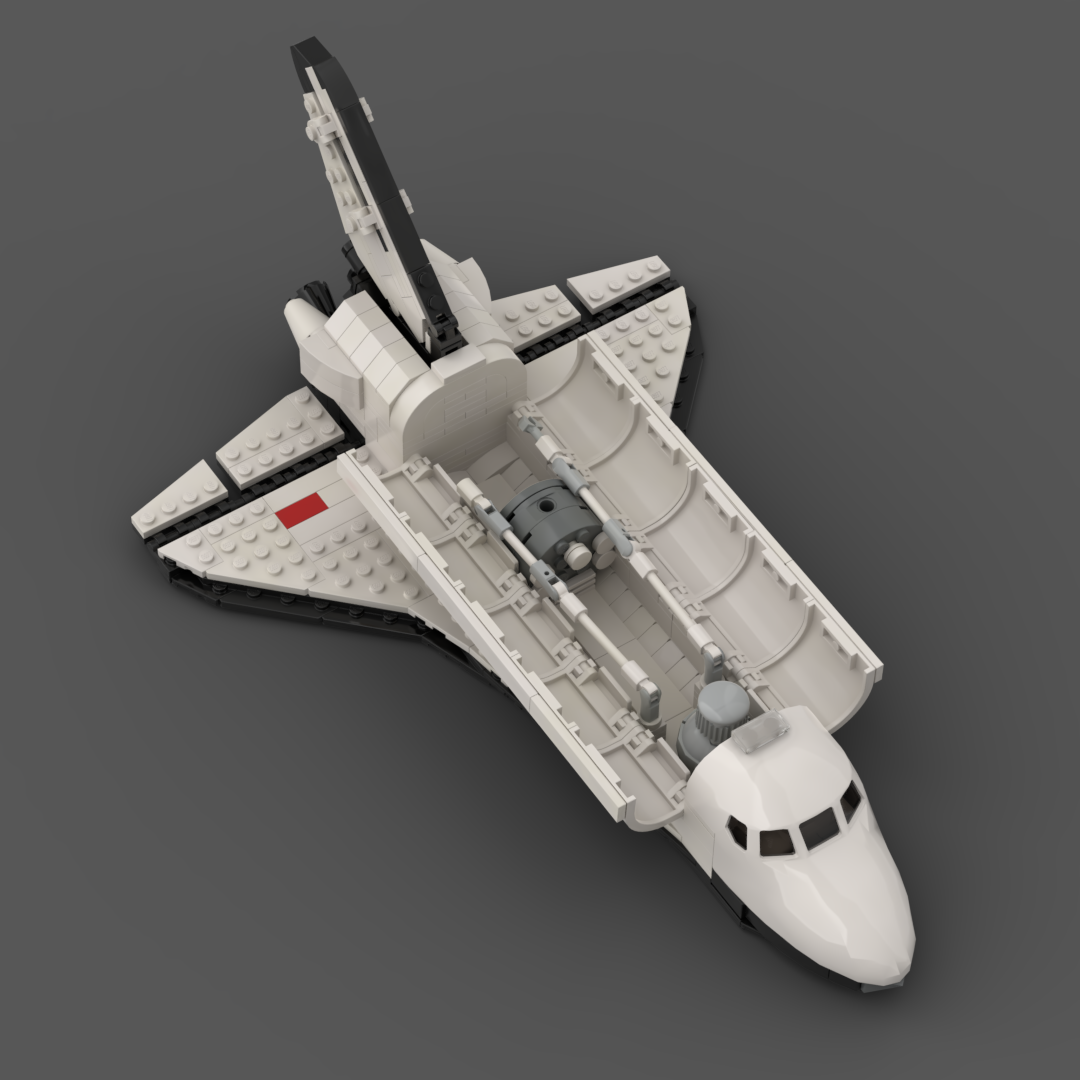
Buran looked, at first glance, like a copy of the Space Shuttle. It wasn’t — not really. Soviet engineers had access to intelligence on the Shuttle’s general configuration and adopted similar aerodynamics because the laws of physics are the same everywhere. But the underlying design philosophy was different in important ways.
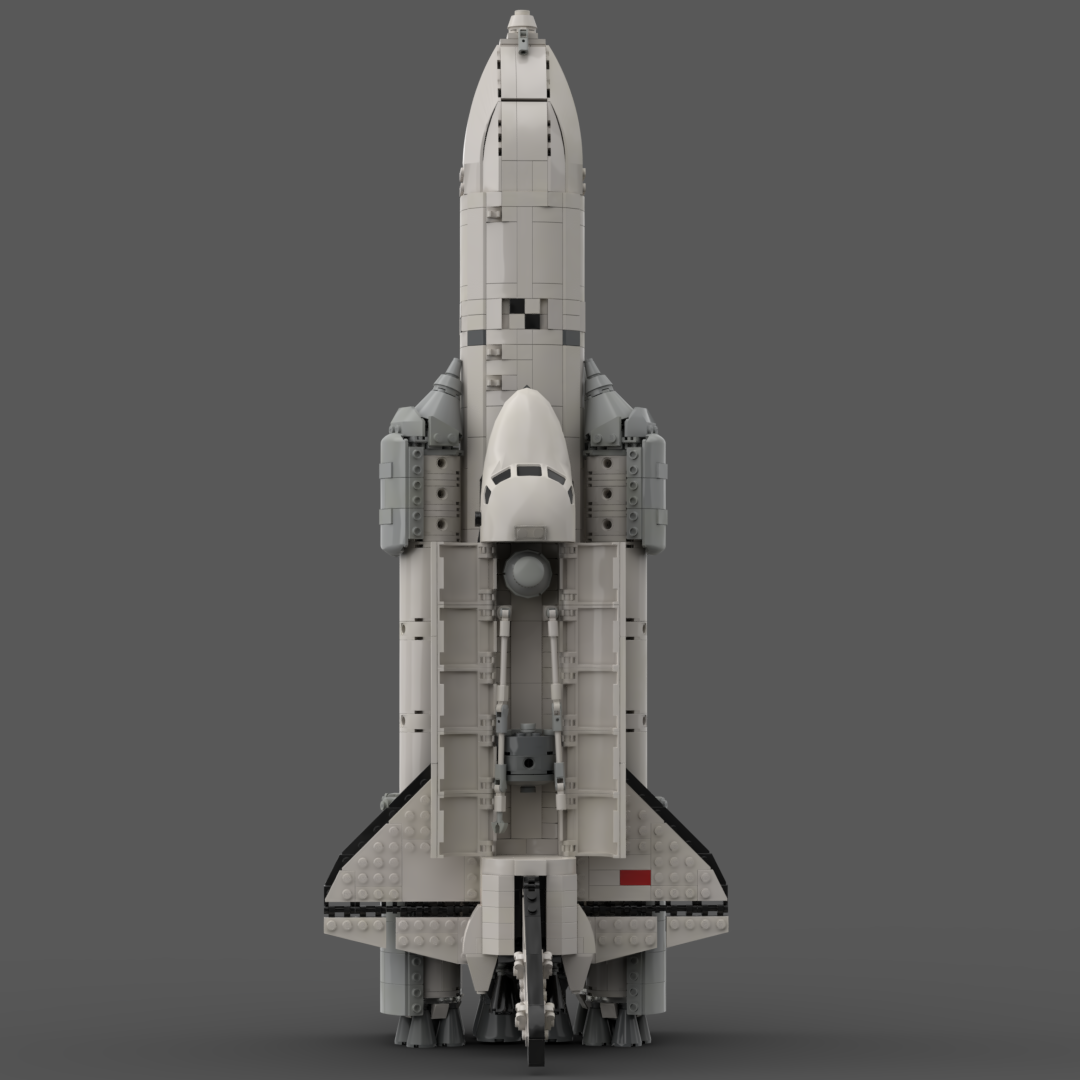
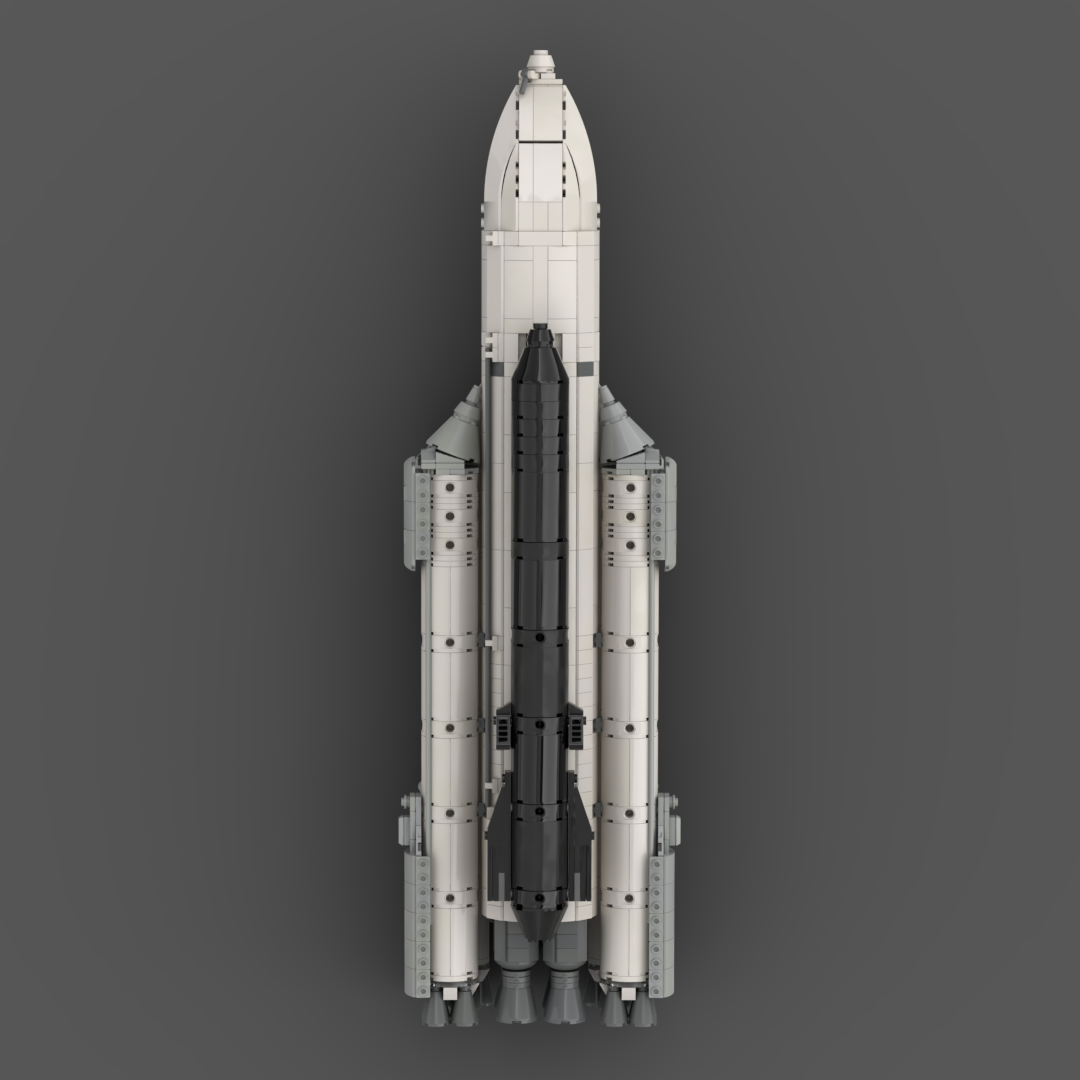
Where the Shuttle’s main engines were mounted on the orbiter itself and flew to orbit on every mission, Buran carried no main engines. All the heavy lifting was done by Energia — a genuinely extraordinary rocket in its own right. Standing 60 metres tall and capable of lifting around 100 tonnes to low Earth orbit, Energia was comparable to the Saturn V in ambition if not quite in raw power. Crucially, it wasn’t designed exclusively for Buran. It was conceived as a modular superheavy launcher that could carry almost any payload — space station modules, military platforms, hypothetically even crewed lunar missions. Buran was one application of it, not its only reason to exist.
Energia flew first, in May 1987, carrying an experimental military platform called Polyus. Then, on 15 November 1988, the full Energia-Buran system launched from Baikonur in the pre-dawn darkness.
Buran completed two orbits around the Earth before the onboard systems fired automatically to begin the descent, return to the launch site, and horizontal landing on the runway. The entire flight — ascent, orbit, re-entry, approach, touchdown — was performed without a single human being on board. It was the first and remains the only fully automatic landing of a shuttle-type spacecraft in history. The onboard computer even deviated from the planned approach path during the final minutes, switching from a left loop to a right loop to better account for crosswind conditions — a decision made autonomously, in real time, that the engineers on the ground could only watch and trust.
It landed three metres laterally from the target mark, under a crosswind of over 60 kilometres per hour. In some respects, that single flight demonstrated more advanced autonomous capability than anything the American Shuttle programme ever attempted.
Nobody at Baikonur knew it was the last time Buran would ever fly.
Buran (orbiter)
Energia Buran
Energia Polyus
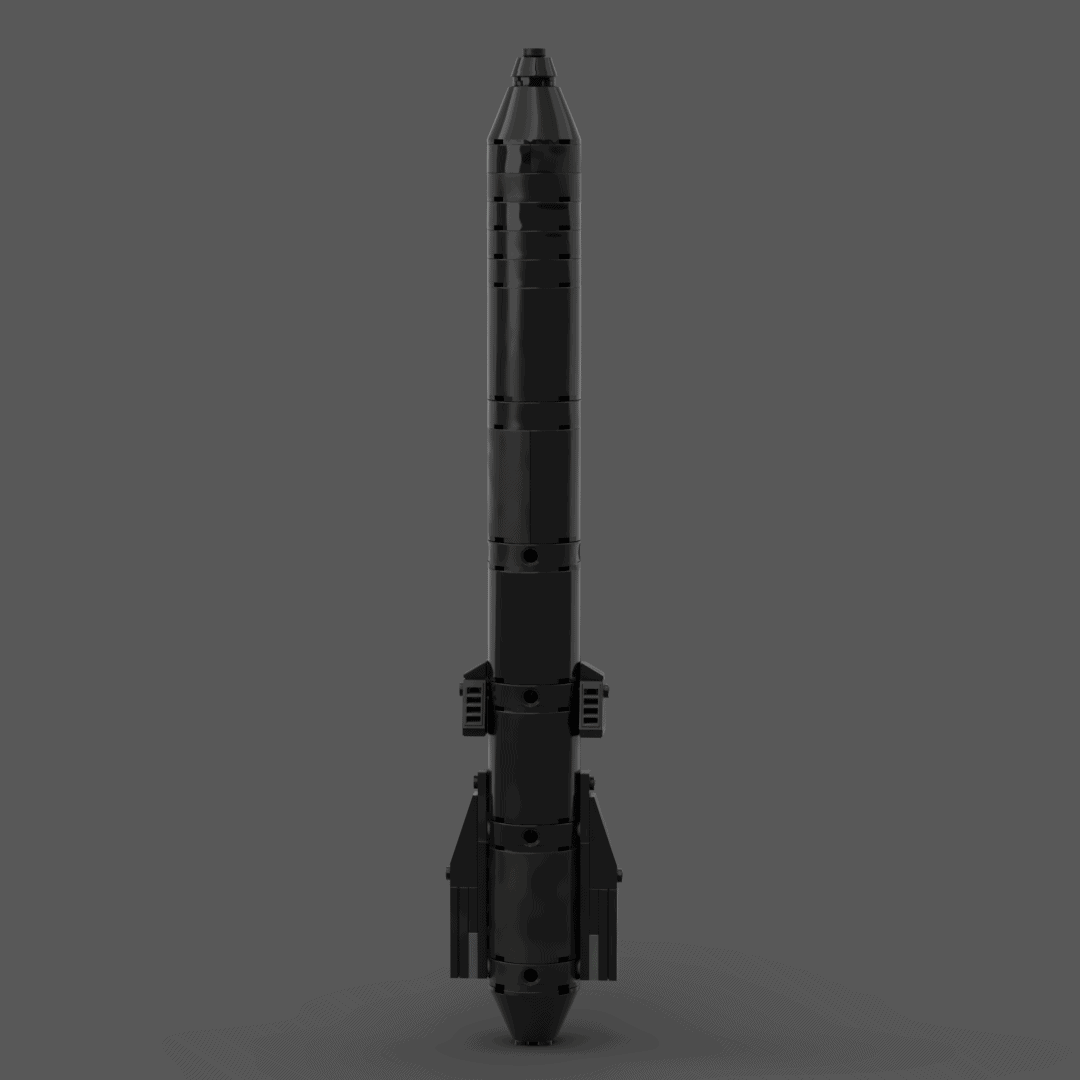
Polyus
Polyus
Allan Jordan (Drscoop) Sebastian Schön (MoppeW40k)
January 2020
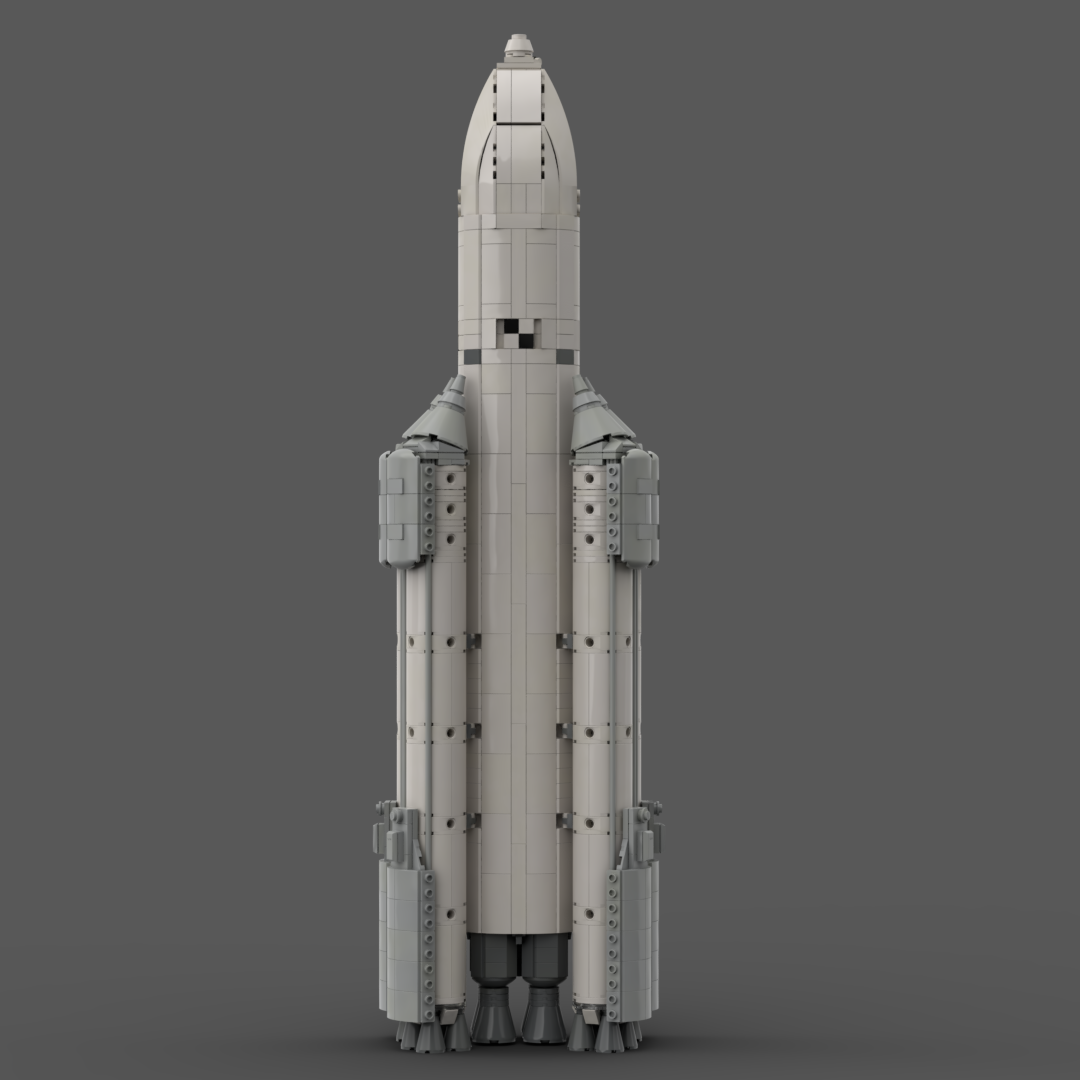
Energia
The Station That Grew
While Buran was being built in assembly halls across the Soviet Union, another programme was already in orbit.
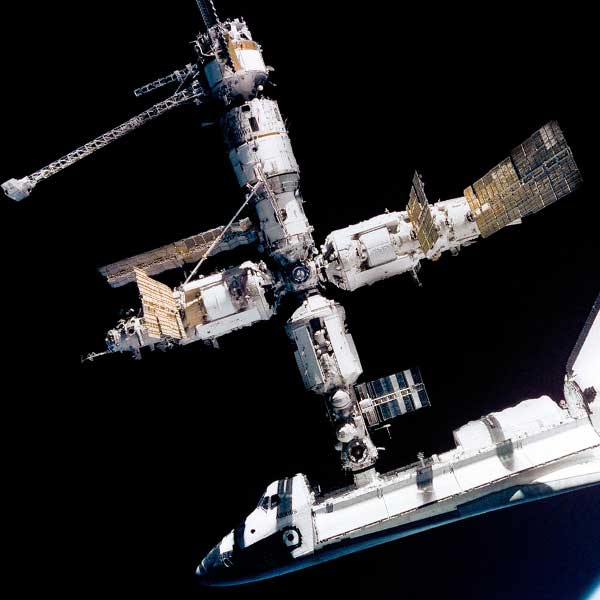
Mir’s core module was launched on February 20, 1986, the same year the Challenger disaster grounded the American Shuttle fleet. The timing was significant. While NASA was grounded for nearly three years, Soviet cosmonauts were moving into a new home in space and learning, month by month, what it meant to actually live there long-term.
Mir was different from anything that had come before. Where the Salyut stations had been essentially single modules — useful but limited — Mir was designed from the outset to grow. Its core module had six docking ports, four of them arranged radially, allowing additional laboratory and equipment modules to be attached over time like branches on a tree. Between March 1987 and April 1996, five expansion modules were added, each launched separately on Proton rockets and docked to the expanding complex. By the time the final module Priroda arrived in 1996, Mir was a genuinely large and complex structure — multiple laboratories, two docking ports for visiting spacecraft, solar panels pointing in different directions, and a habitable volume that had grown from a single cramped cylinder into something approaching a real working facility.
The cosmonauts who lived aboard it pushed the boundaries of what human bodies were known to be capable of. Long-duration records fell repeatedly. Three of the longest space missions in history were conducted aboard Mir, extending the spaceflight record to 326 days, then 366 days, and finally 438 days — a record that stands to this day. That final record was set by physician-cosmonaut Valeri Polyakov, who spent just over fourteen months aboard Mir between January 1994 and March 1995, returning to Earth under his own power and walking away from the landing site — a deliberate demonstration that humans could physically survive the duration of a Mars voyage.
Living on Mir was not comfortable. The station aged, systems failed and were patched, the interior accumulated the particular chaos of a working environment that never gets properly cleaned out. Cosmonauts described it as claustrophobic, damp, and perpetually cluttered with equipment and cables. They also described it with fierce pride. It was theirs, and they kept it running through sheer competence and improvisation.
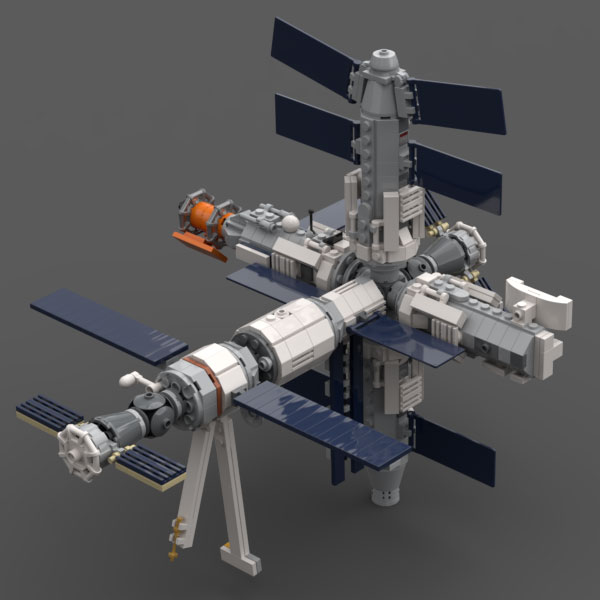
Mir
Mir
Nico Daams (Tech_niek) Sebastian Schön (MoppeW40k)
March 2019
1991 and the Orphaned Programmes
Then the country that had built all of it ceased to exist.
The collapse of the Soviet Union in December 1991 hit both programmes in different ways, but the outcome for each was the same. Buran, which had been mothballed since its 1988 flight pending funding for a second mission, quietly lost any prospect of flying again. The programme was formally suspended in 1993. The orbiters and Energia hardware that had been under construction were left where they sat. The spaceport found itself in Kazakhstan, while all the development work had been conducted in Russia – a geopolitical complication that made everything harder and more expensive.
Mir survived, but only just. The newly formed Russian Space Agency inherited the station without the Soviet budget that had sustained it. Funding became a constant crisis. Ground controllers at times went unpaid. The station’s systems deteriorated. Plans for a successor station — Mir-2 — were abandoned. The question stopped being what Mir could accomplish and started being whether it could simply stay alive.
The answer, improbably, was yes. And the reason was America.
In June 1992, presidents Bush and Yeltsin signed an agreement to cooperate in space. What emerged was the Shuttle-Mir programme — American astronauts flying long-duration missions aboard the Russian station, Space Shuttles docking with Mir to exchange crews and deliver supplies. It was framed as partnership, and it genuinely was, but it was also, for Russia, a financial lifeline. NASA paid hundreds of millions of dollars into the programme, money that kept Mir operational and kept Russian engineers and flight controllers employed during the worst of the post-Soviet economic chaos.
Seven American astronauts spent nearly 1,000 days living in orbit with Russian cosmonauts aboard Mir between 1994 and 1998. Nine Space Shuttle missions docked with the station. And here is where the ghost of Buran becomes most vivid: the docking collar the Shuttles used to connect with Mir was an Androgynous Peripheral Attach System originally designed for Buran, mounted on a bracket originally designed for use with the American Space Station Freedom. The cooperation that Buran might have enabled — Soviet and American spacecraft meeting in orbit — happened anyway. Just with one side’s spacecraft doing all the flying.
Those Shuttle-Mir missions were not merely symbolic. They were explicitly described as Phase One of the ISS programme — a rehearsal in which NASA learned what it didn’t know about long-duration spaceflight, and both agencies learned what international cooperation in orbit actually required operationally. The lessons were sometimes uncomfortable. There were fires aboard Mir, a near-catastrophic collision with a Progress cargo vehicle that punctured the Spektr module and forced a partial evacuation, power failures and uncontrolled spins. American astronauts aboard at the time filed safety concerns that they felt were dismissed. In all, American astronauts assisted in the maintenance and repair of the aging station following various incidents with fires, collisions, power losses, uncontrolled spins, and toxic leaks. It was not the clean, controlled environment of a simulation. It was the real thing, and both sides came out of it better prepared for what came next.
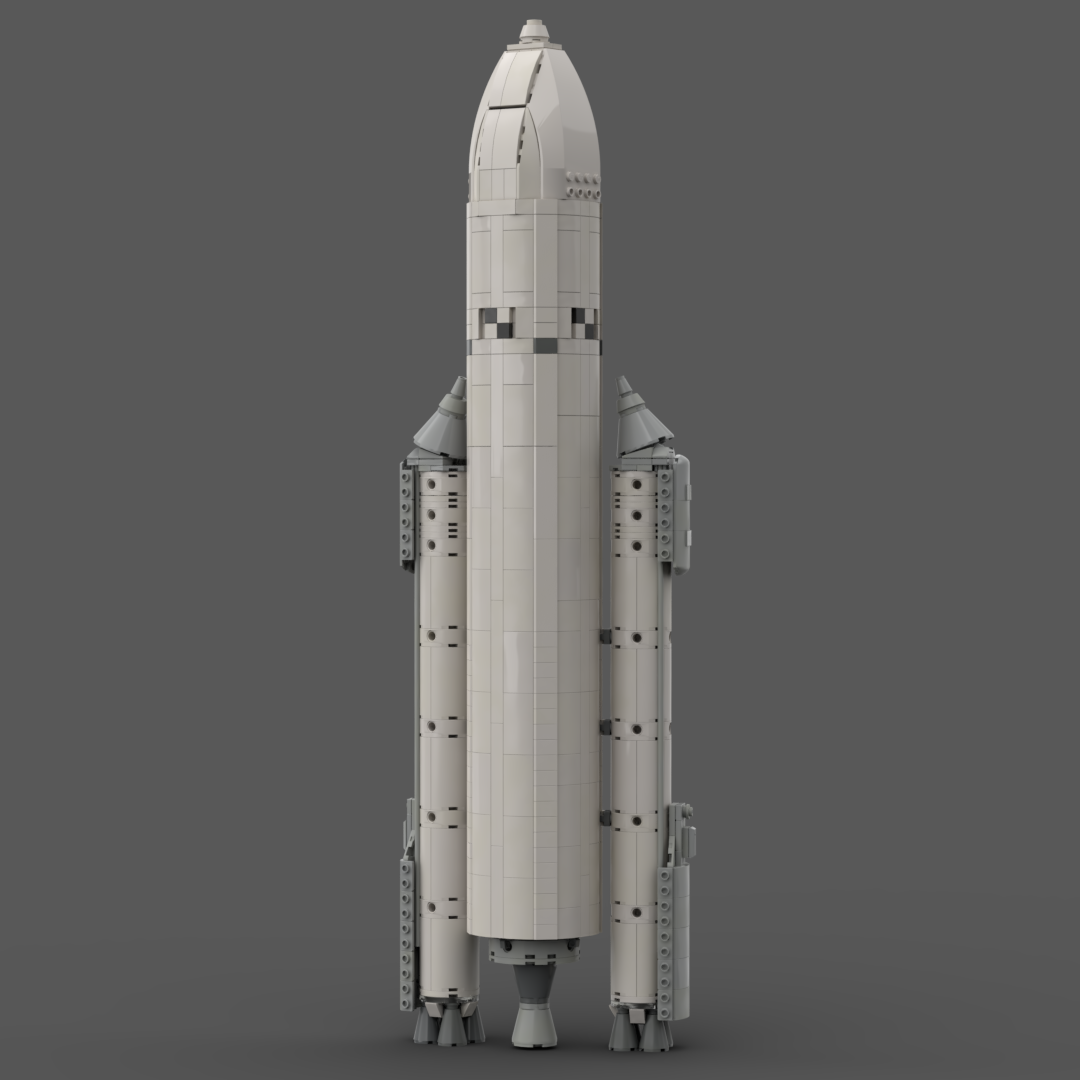
Energia-M
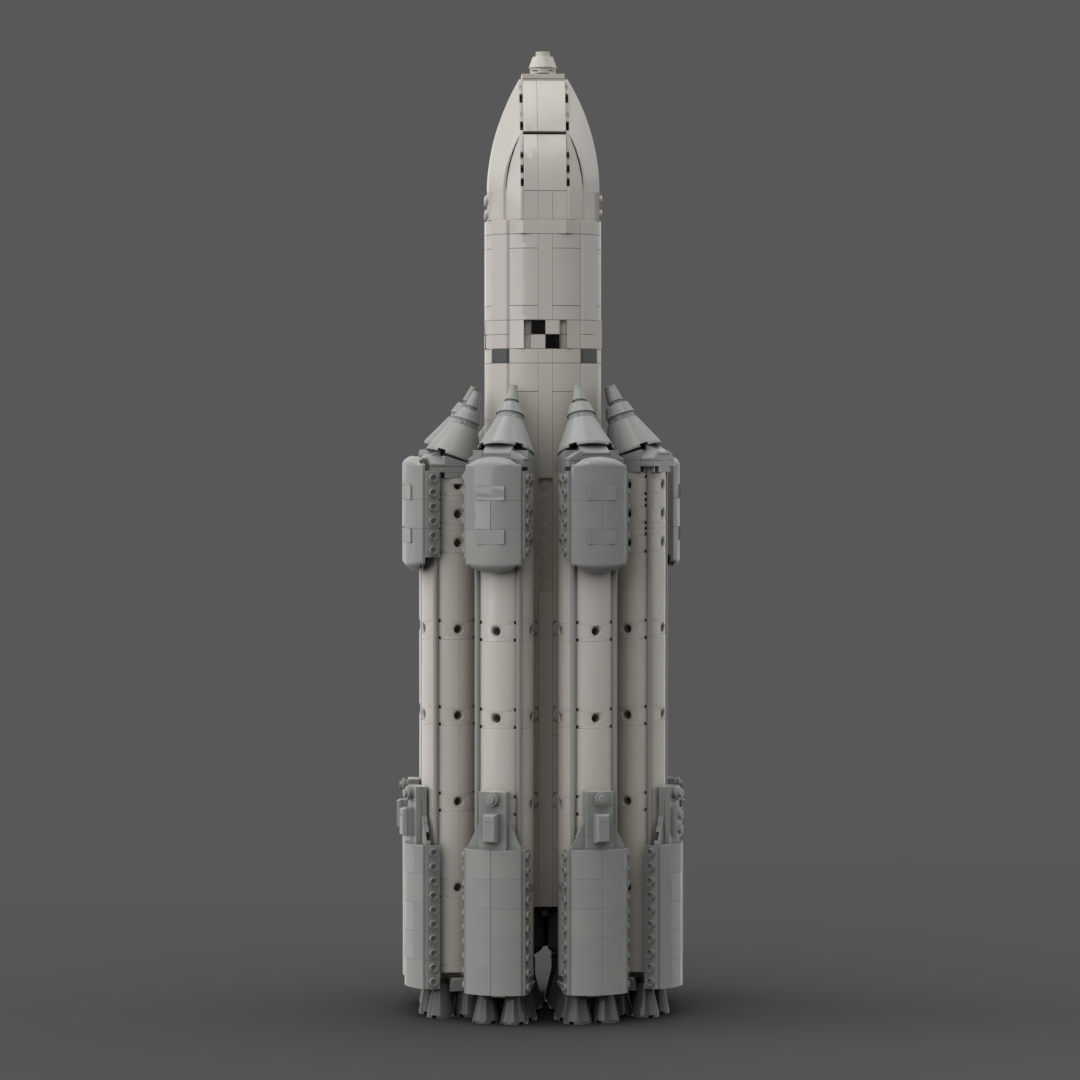
Vulkan
The End of the Blizzard
On 12 May 2002, a maintenance crew was working on the roof of the assembly building at Baikonur where Buran had been stored for fourteen years. The roof collapsed due to structural failure from poor maintenance, killing eight workers and destroying the Buran orbiter that had made the 1988 flight, along with a mock-up of an Energia booster. The spacecraft that had made that flawless autonomous flight, landed within three metres of its target in a crosswind, and then been quietly set aside — was gone. Sold for scrap.
Mir followed less than a year earlier. On March 23, 2001, Mir was deliberately deorbited, breaking apart during atmospheric re-entry and sinking into the South Pacific. It had been designed for five years and lasted fifteen. It had completed 86,331 orbits and travelled 2.2 billion miles. The flight controllers at TsUP who watched the final telemetry cut out had spent their entire careers with the station. Many of them had never worked on anything else.
Valeri Polyakov, the man who had spent 438 days aboard it, watched the reentry from Fiji.
Within a year of each other, the two greatest monuments of late Soviet space ambition were gone. One burned up over the Pacific. One was found under a pile of rubble, and taken away in pieces.
What they left behind was more durable. The technology from Buran’s development fed directly into Russia’s contributions to the ISS. The operational experience from Mir — fifteen years of keeping humans alive in space, of understanding what breaks and how to fix it and how long a person can endure it — was the foundation on which the ISS was built. The station that replaced Mir used a docking system descended from Buran’s. The crews that flew to it carried the institutional knowledge of everyone who had ever spent a winter aboard Mir.
The Soviet space age ended not with a declaration but with a slow diminuendo — a collapsed roof, a streak of fire over the South Pacific, and a generation of engineers turning their attention to something new.