

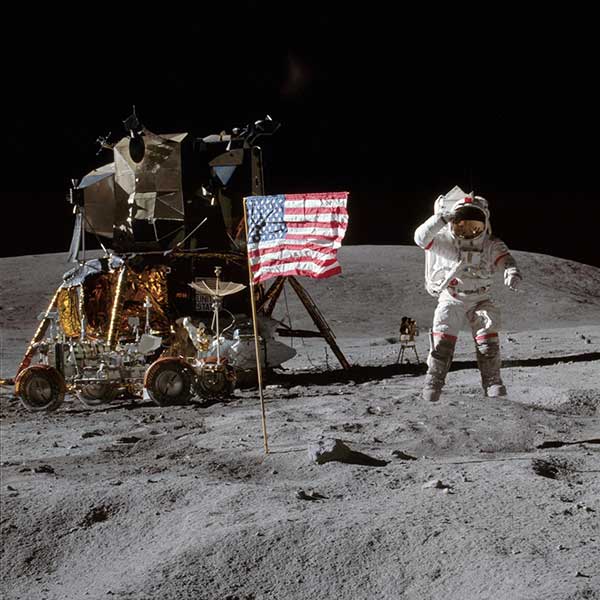
On the morning of 25 May 1961, President John F. Kennedy stood before a joint session of Congress and committed the United States to landing a man on the Moon before the end of the decade. It was, by any honest assessment, an extraordinary thing to say. America had put a human in space for fifteen minutes, three weeks earlier. The Saturn rocket that would eventually carry Apollo to the Moon existed only on paper. Nobody had yet spacewalked, rendezvoused, docked, or demonstrated that a human body could survive the eight days a lunar round trip would require. Kennedy was announcing a destination before the vehicle had been designed, the route chosen, or the engineering problems identified.
Eight years, two months, and twenty-six days later, Neil Armstrong stepped onto the lunar surface.
What happened in between — the hardware that made it possible, the disasters that nearly ended it, and the science that justified it long after the flags were planted — is one of the great engineering stories in human history.
Saturn I and Saturn IB
Apollo’s hardware existed in a hierarchy of increasing ambition, each layer tested before the next was attempted.
At the base was the Saturn I — the first in a rocket family that would ultimately carry humans to the Moon. Built at NASA’s Marshall Space Flight Center under Wernher von Braun, the Saturn I solved its thrust problem the same way the Soviet N1 would attempt to: by clustering multiple engines together. Its first stage burned liquid oxygen and kerosene through eight H-1 engines, while its upper stages pioneered the use of liquid hydrogen — a cryogenic propellant that offered significantly higher performance than kerosene but demanded new materials, new seals, and entirely new handling procedures. Ten Saturn I flights between 1961 and 1965 validated the cluster concept, tested structural integrity, and proved that liquid hydrogen propulsion worked. The programme also flew three Pegasus satellites — enormous micrometeorite detection platforms whose wire-mesh wings spread across 70 feet of space — giving engineers data on the debris environment that any spacecraft would have to survive.
- SA-1 (1961): The first flight of Saturn I, testing the rocket’s structural design and propulsion system.
- SA-2 (1962): Carried a “Project Highwater” experiment, releasing liquid oxygen and water in space to study their behavior in a vacuum.
- SA-3 (1962): Another “Project Highwater” experiment with additional modifications to the rocket’s systems.
- SA-4 (1963): Tested engine-out capabilities, intentionally shutting down one engine to verify the rocket could still function.
- SA-5 (1964): The first flight to carry a live second stage, marking NASA’s transition to high-performance rocket stages.
- SA-6, SA-7, SA-8 (1964-1965): These flights carried Pegasus satellites designed to study micrometeoroid impacts.
- SA-9 and SA-10 (1965): Deployed additional Pegasus satellites and refined the performance of the rocket.
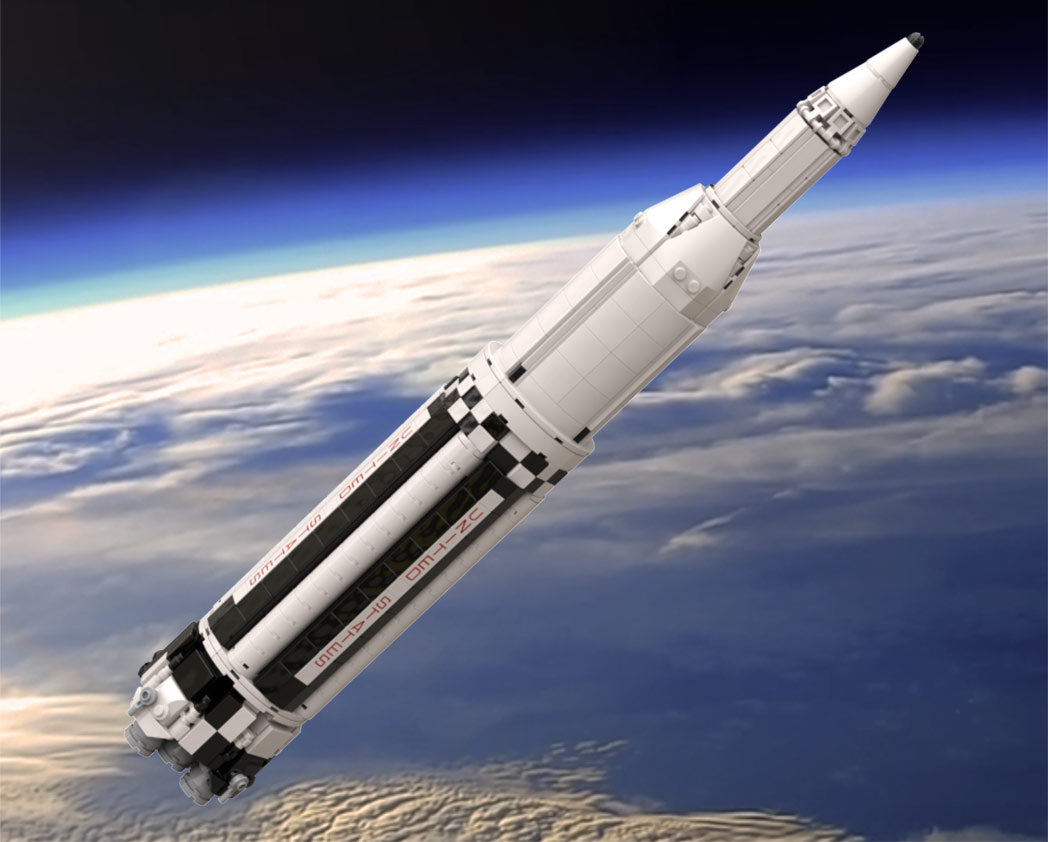
Saturn I (SA-1 / SA-2)
Saturn I (SA-1 / SA-2)
1st launch attempt: 27 October 1961
Launch Site: Cape Canaveral, Florida
Orbital Type: Suborbital
Country of Origin: United States
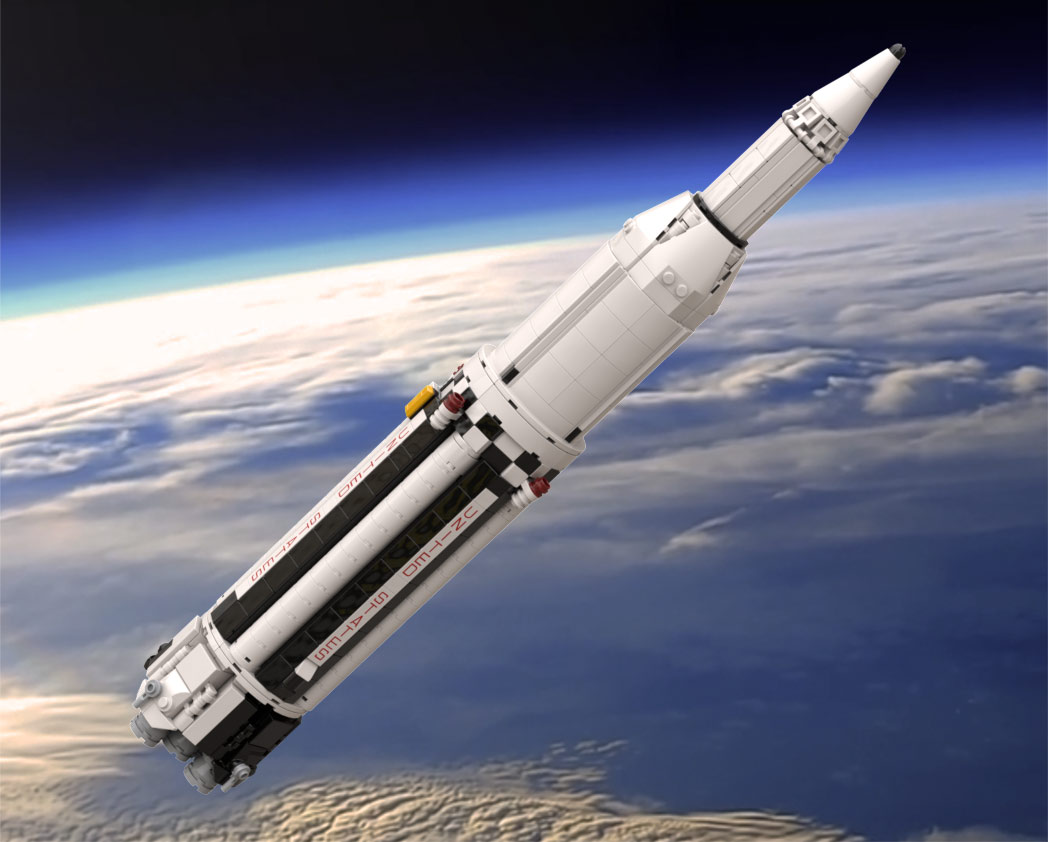
Saturn I (SA-3)
Saturn I (SA-3)
1st launch attempt: 16 November 1962
Launch Site: Cape Canaveral, Florida
Orbital Type: Suborbital
Country of Origin: United States
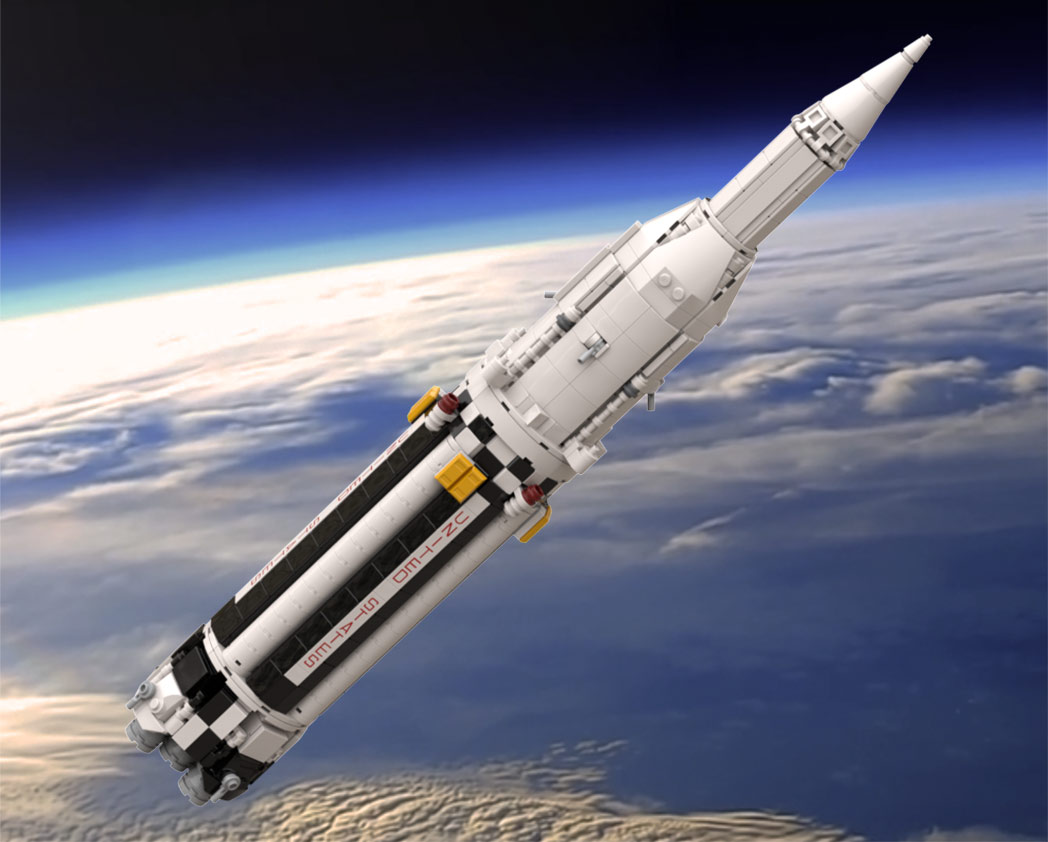
Saturn I (SA-4)
Saturn I (SA-4)
1st launch attempt: 28 March 1963
Launch Site: Cape Canaveral, Florida
Orbital Type: Suborbital
Country of Origin: United States
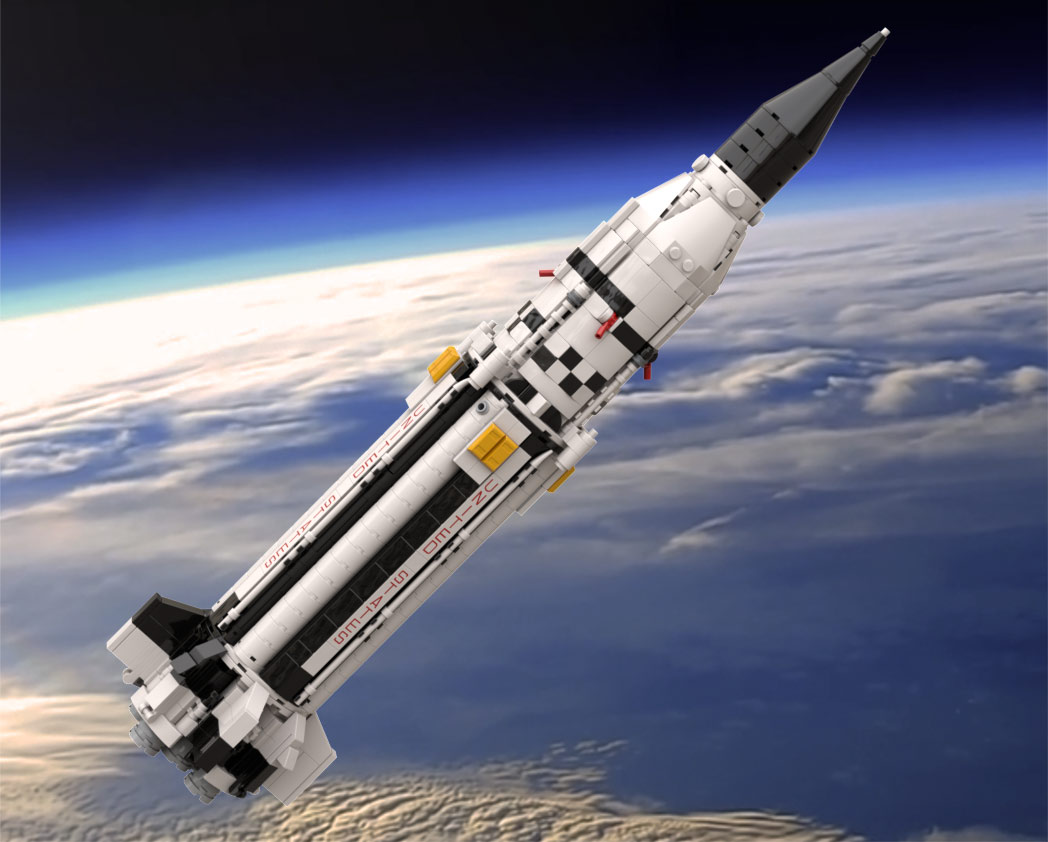
Saturn I (SA-5)
Saturn I (SA-5)
1st launch attempt: 29 January 1964
Launch Site: Cape Canaveral, Florida
Orbital Type: Orbital
Country of Origin: United States
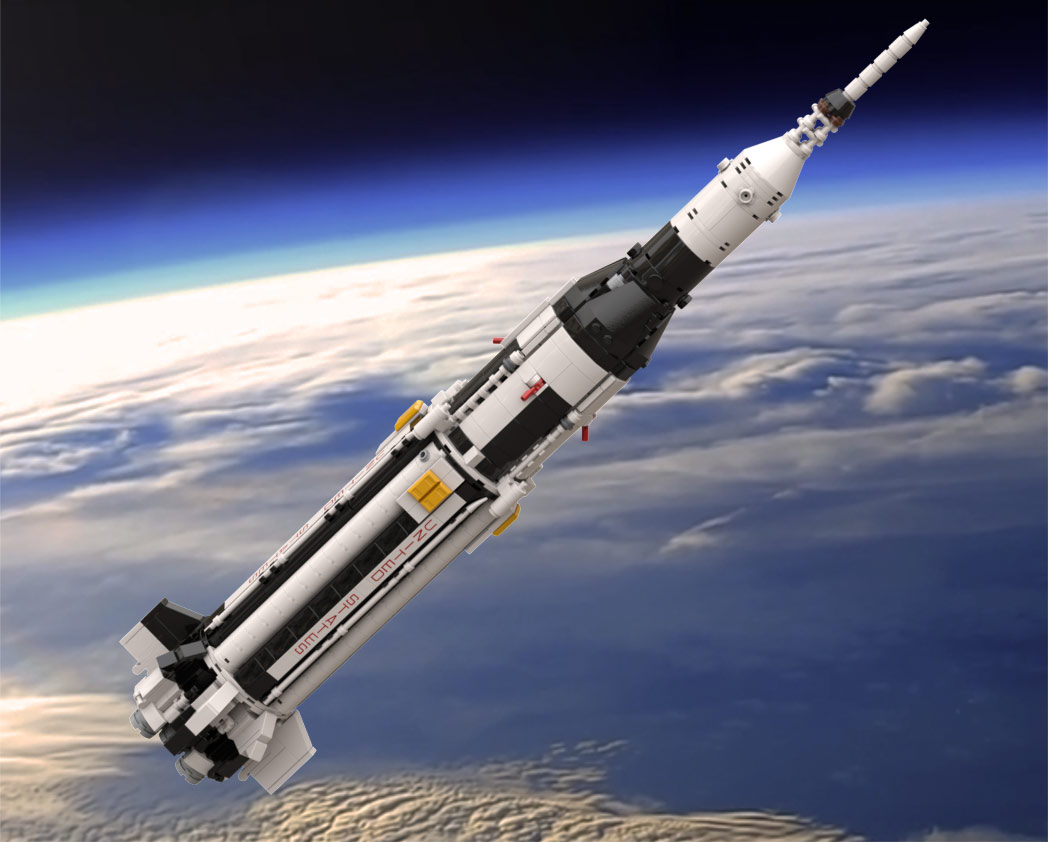
Saturn I (SA-6 / SA-7)
Saturn I (SA-6 / SA-7)
1st launch attempt: 28 May 1964
Launch Site: Cape Canaveral, Florida
Orbital Type: Orbital
Country of Origin: United States
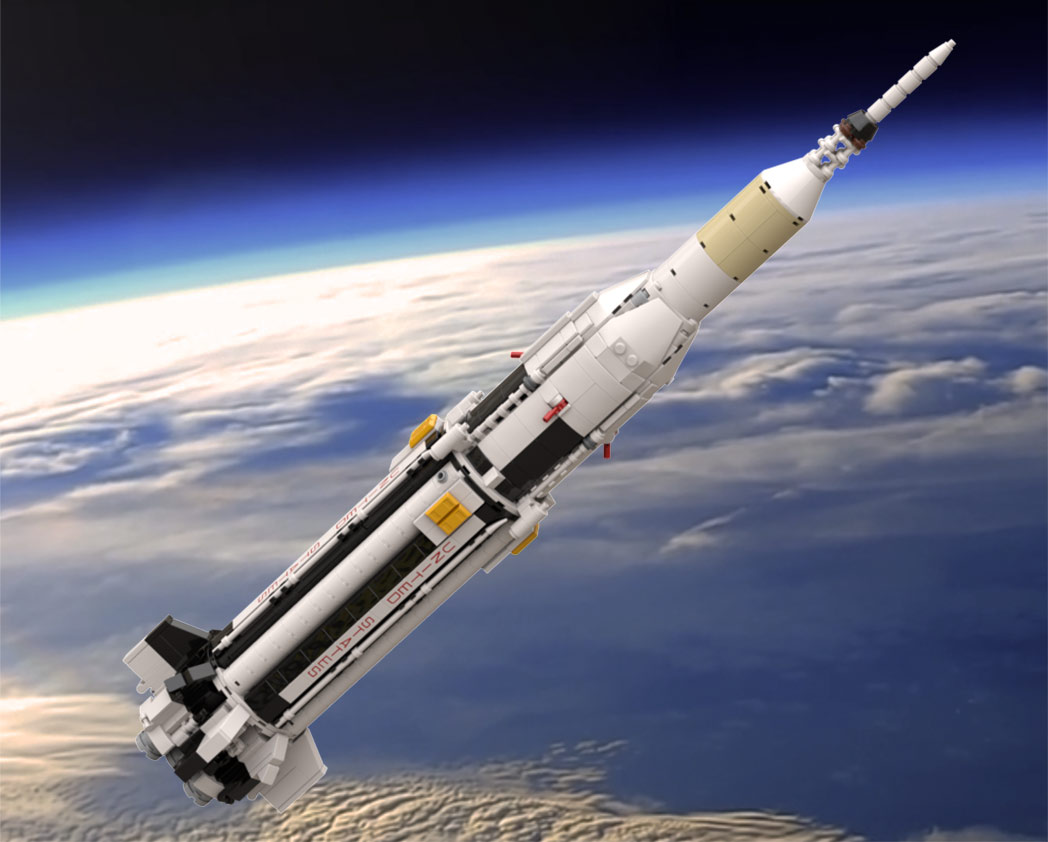
Saturn I (SA-8 / SA-9 / SA-10)
Saturn I (SA-8 / SA-9 / SA-10)
1st launch attempt: 16 February 1965
Launch Site: Cape Canaveral, Florida
Orbital Type: Orbital
Country of Origin: United States
The Saturn IB was the Saturn I’s more capable sibling, updated for crewed missions in Earth orbit. Eight uprated H-1 engines in the first stage, the same S-IVB upper stage that would eventually serve as the third stage of the Saturn V. It was the Saturn IB that first flew the Apollo Command and Service Module in unmanned tests in 1966, validating the heat shield at reentry speeds and testing the propulsion systems that would get crews home from the Moon. And it was the Saturn IB that launched Apollo 7 in October 1968 — the first crewed Apollo mission, eleven months after the programme had been stopped cold by fire.
- AS-201 (1966): The first test flight of the Apollo Command and Service Module (CSM) using a Saturn IB.
- AS-202 (1966): Tested the Apollo spacecraft’s heat shield and propulsion systems during reentry.
- AS-203 (1966): Focused on studying the behavior of liquid hydrogen in the S-IVB stage in space.
- Apollo 7 (1968): The first crewed mission of the Apollo Program, validating the redesigned CSM in Earth orbit after the Apollo 1 tragedy.
- Skylab Launches (1973): Although outside the Apollo lunar program, the Saturn IB was later repurposed to launch crews to the Skylab space station.
Little Joe II
Before any of the Saturn family flew astronauts, a smaller and rarely mentioned rocket was quietly validating the system that would save their lives if something went wrong at launch.
The Little Joe II was a solid-fuelled test vehicle — unglamorous, unphotographed by the press, built for one specific purpose: throwing Apollo Command Modules off launch pads and up into the sky under emergency conditions, to prove that the Launch Escape System worked. If a Saturn V began breaking apart during launch, a solid-fuel escape tower mounted above the Command Module would fire, pulling the crew away from the explosion in less than a second. It had to work the first time, at any point during the ascent, under any conditions. Little Joe II tested it five times between 1963 and 1966, at maximum dynamic pressure, at high altitude, at low altitude, and in simulated pad aborts. Every test succeeded. The escape system was never used in anger. That’s exactly what a good safety system looks like.
- A-001 (1963): Tested the LES under maximum dynamic pressure conditions.
- A-002 (1964): Evaluated the LES during high-altitude abort scenarios.
- A-003 (1965): Assessed the LES during a low-altitude abort.
- A-004 (1966): Simulated a high-speed abort scenario with additional spacecraft weight.
- Pad Abort Tests 1 and 2: Conducted ground-based tests of the LES system.
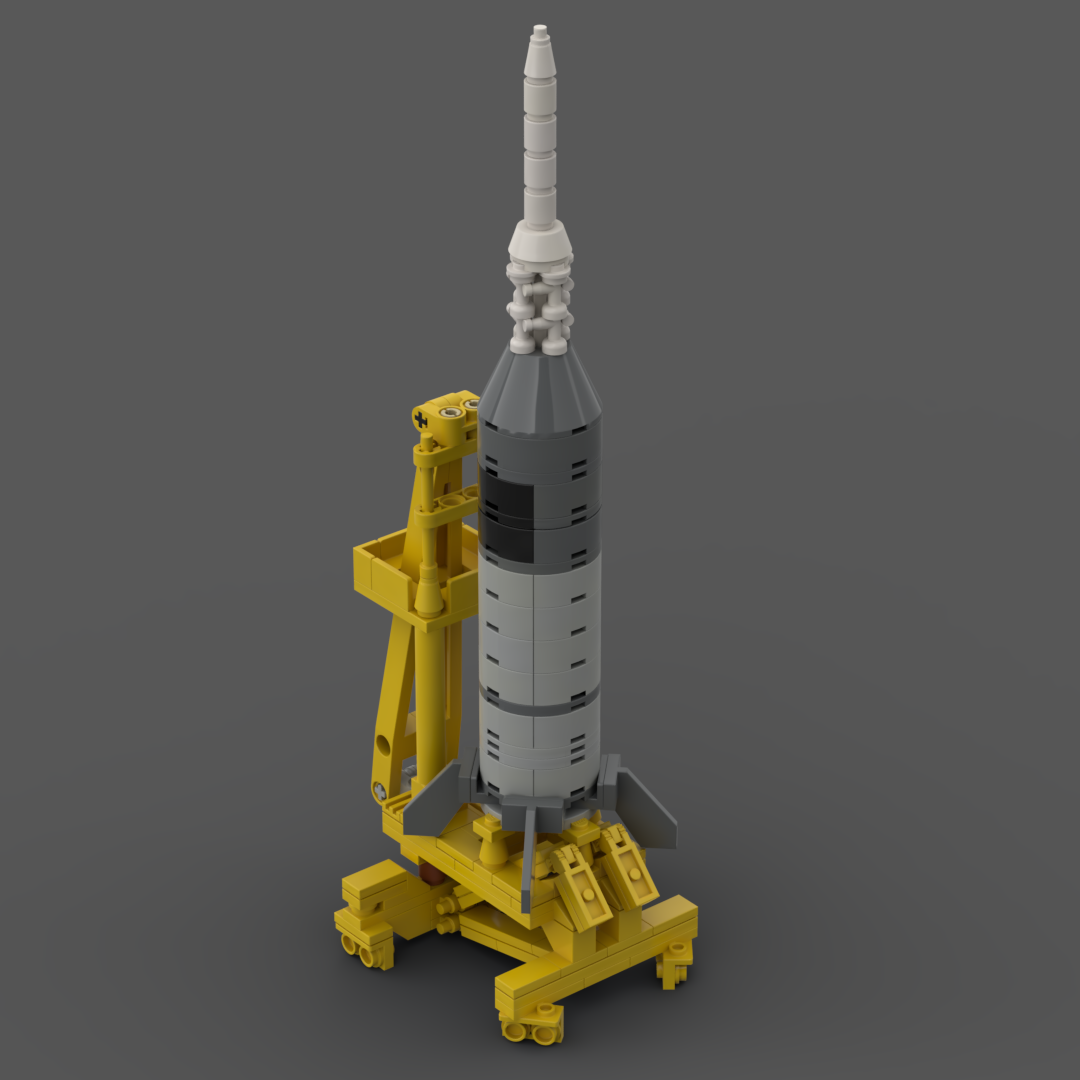
Little Joe II (QTV)
Little Joe II (QTV)
1st launch attempt: 28 August 1963
Launch Site: White Sands Missile Range, New Mexico
Orbital Type: Atmospheric
Country of Origin: United States
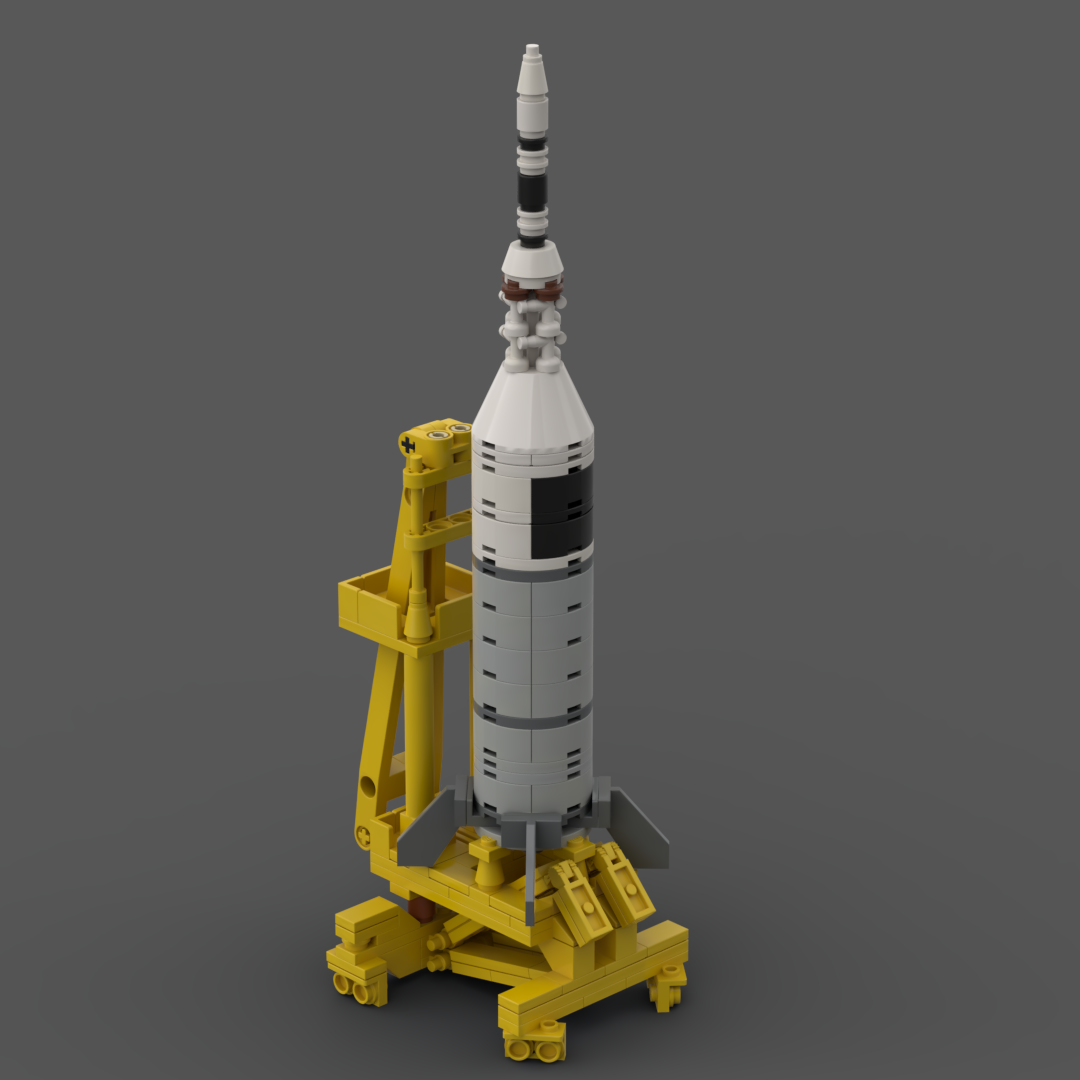
Little Joe II (A-001)
Little Joe II (A-001)
1st launch attempt: 13 May 1964
Launch Site: White Sands Missile Range, New Mexico
Orbital Type: Atmospheric
Country of Origin: United States
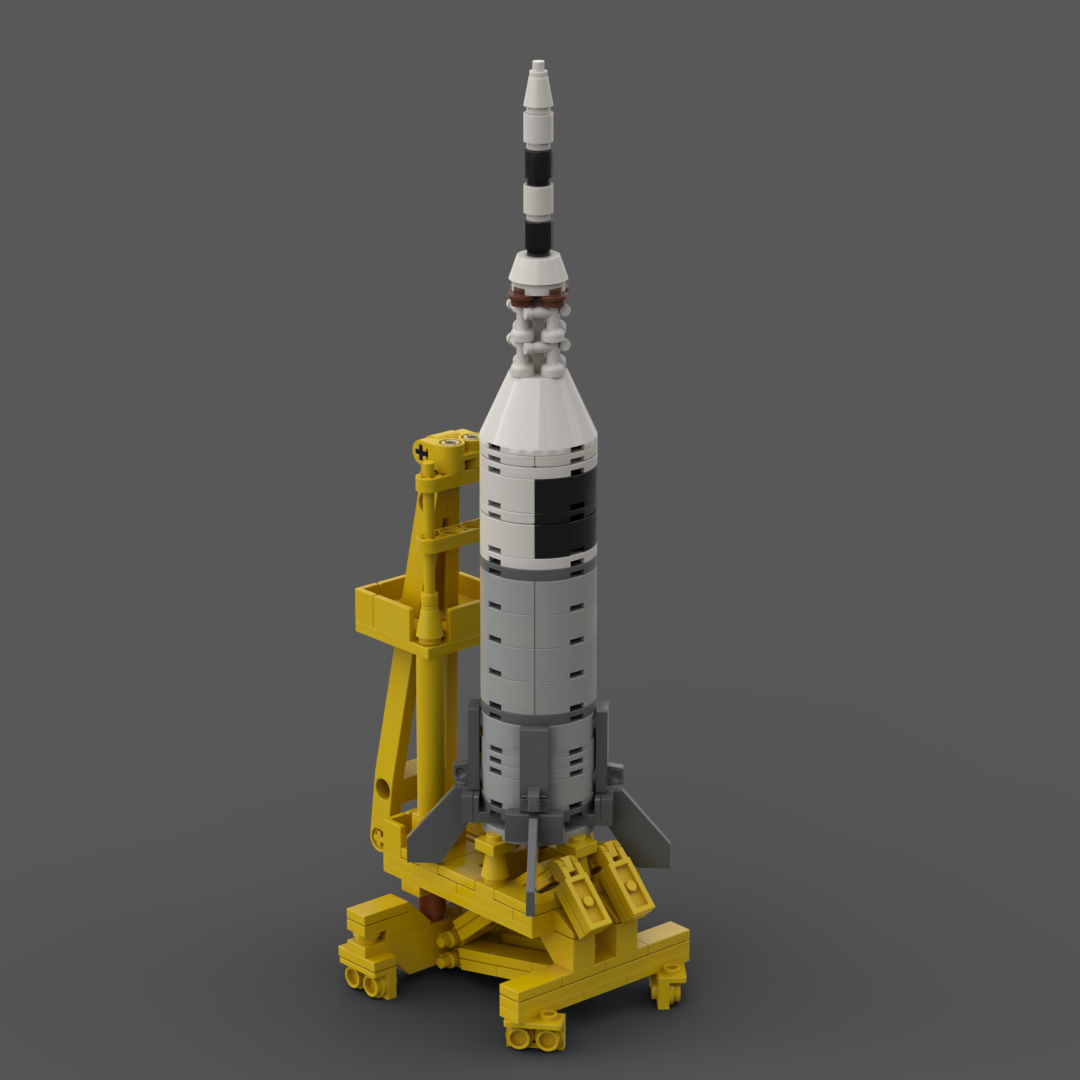
Little Joe II (A-002)
Little Joe II (A-002)
1st launch attempt: 8 December 1964
Launch Site: White Sands Missile Range, New Mexico
Orbital Type: Atmospheric
Country of Origin: United States
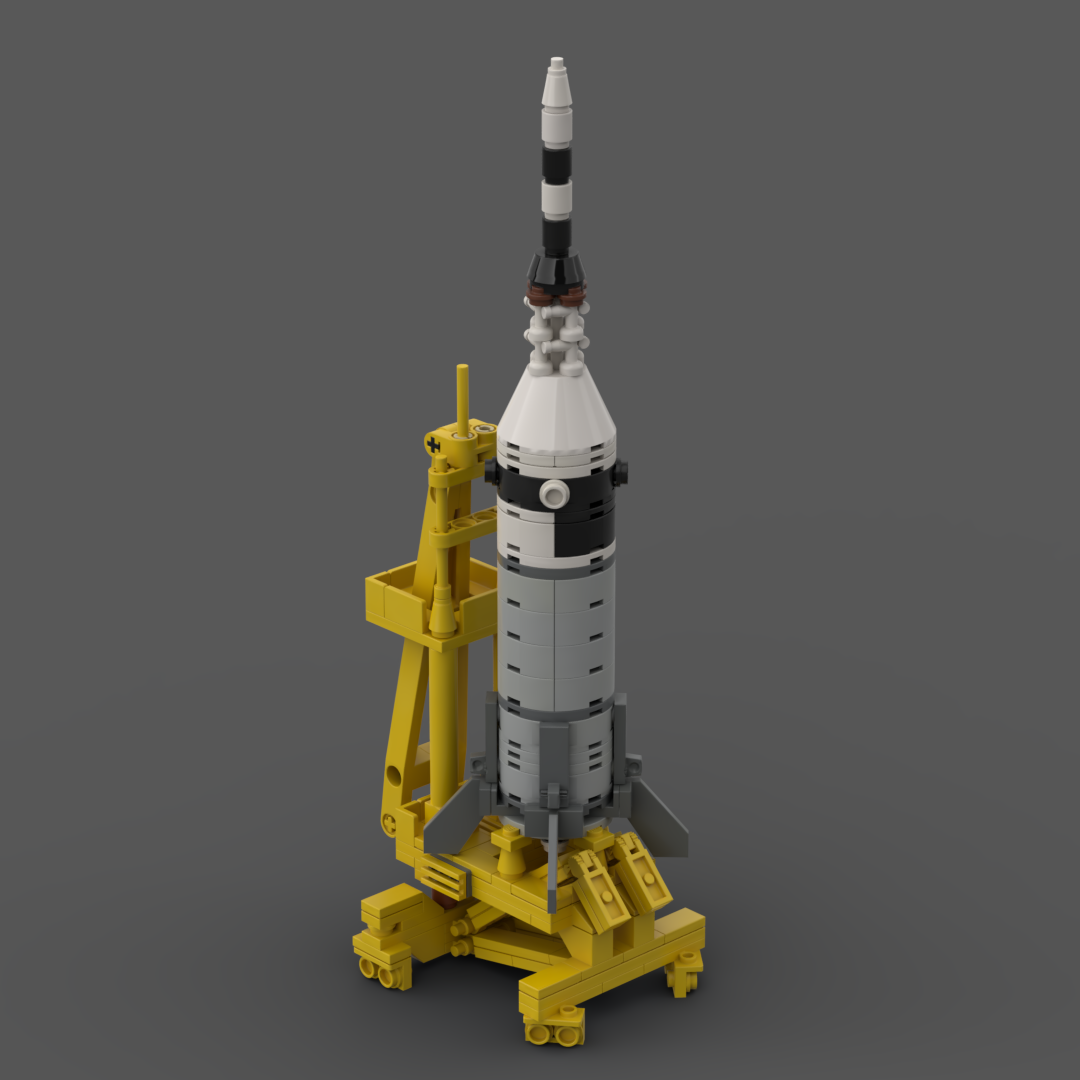
Little Joe II (A-003)
Little Joe II (A-003)
1st launch attempt: 19 May 1965
Launch Site: White Sands Missile Range, New Mexico
Orbital Type: Atmospheric
Country of Origin: United States
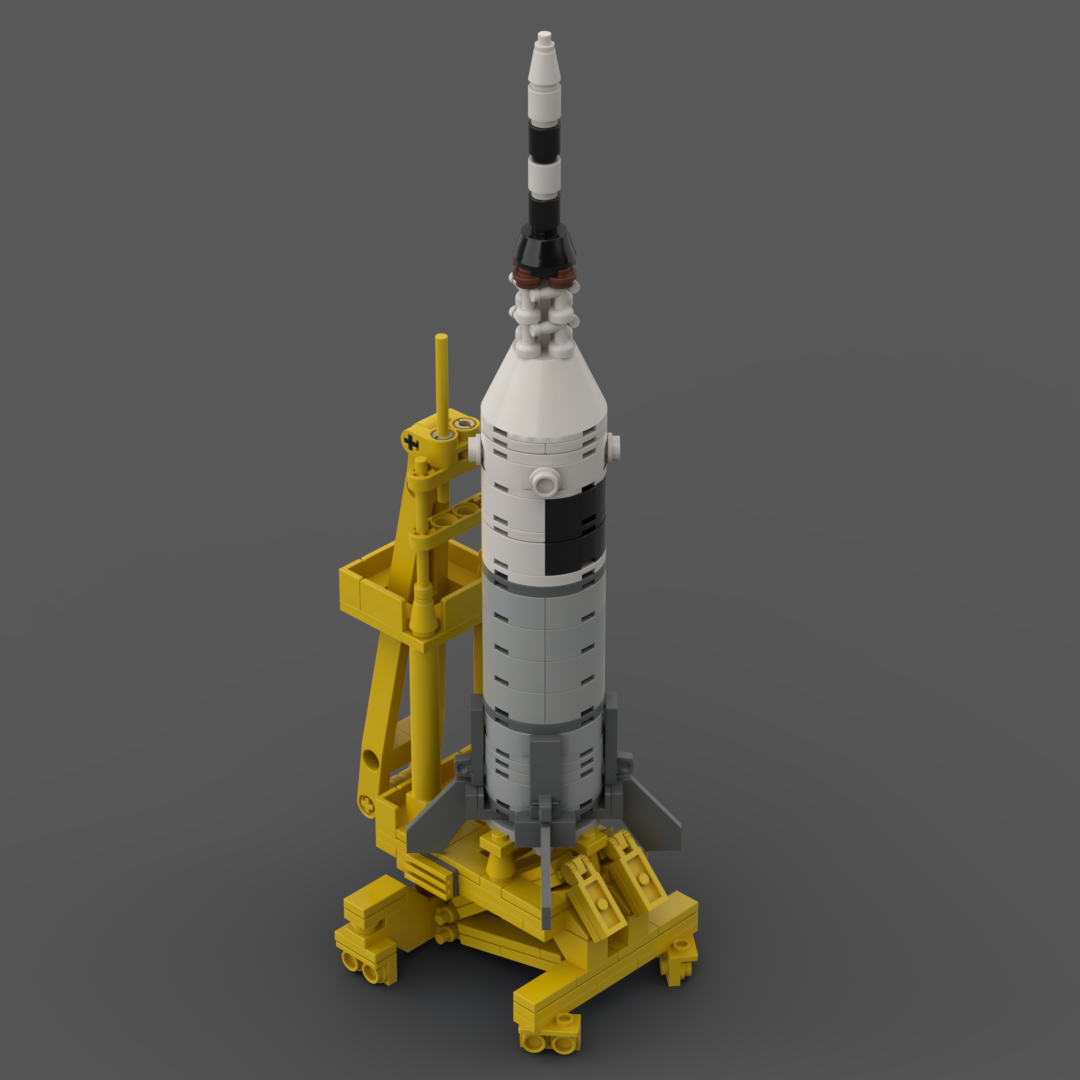
Little Joe II (A-004)
Little Joe II (A-004)
1st launch attempt: 20 January 1966
Launch Site: White Sands Missile Range, New Mexico
Orbital Type: Atmospheric
Country of Origin: United States
Saturn V
Above all of them stood the Saturn V. Three hundred and sixty-three feet tall. Six point two million pounds at launch. Seven point six million pounds of thrust from five F-1 engines in its first stage alone — each F-1 the most powerful single-chamber rocket engine ever built, consuming three tons of propellant per second. The second stage added five J-2 engines burning liquid hydrogen and liquid oxygen. The third stage, a single J-2, placed the spacecraft in Earth orbit and then, on command, fired again to send it to the Moon.
The Saturn V flew thirteen times. It never failed a crewed mission. It remains, over fifty years after its last flight, the tallest, heaviest, and most powerful rocket ever to reach operational service.
Apollo 1: Tragedy and Resilience
On 27 January 1967, with the Apollo programme running behind schedule and under cost pressure, the crew of Apollo 1 — Gus Grissom, Ed White, and Roger Chaffee — climbed into their Command Module atop an unfuelled Saturn IB at Launch Complex 34 for a routine ground test. The rocket carried no propellant. The test had not been classified as hazardous. Emergency equipment was minimal, medical staff were not present, and the escape hatches — which opened inward against cabin pressure — required ninety seconds to open under ideal conditions.
At 6:31 pm, someone in the cabin — the recordings are unclear — said the word “fire.” Fourteen seconds later, the cabin pressure ruptured the hull. The fire had spread through the pure oxygen atmosphere with catastrophic speed, fed by nylon netting, Velcro, foam padding — the Apollo command module had over 70 feet of Velcro, along with foam padding and nylon netting. In that oxygen-rich environment, these materials didn’t just burn — they exploded into flames at temperatures 60% lower than they would under normal conditions. All three astronauts died before rescue crews could reach them.
The programme stopped. NASA convened an accident review board and both chambers of Congress held inquiries. What emerged was a programme that had been moving too fast, accepting risks it hadn’t properly quantified, and using materials without adequately considering what happened to them in a pressurised pure oxygen environment. The redesign that followed was comprehensive. NASA developed a proprietary flame-resistant fabric called Beta cloth — Teflon-coated fibreglass — for spacesuits and interior surfaces. Engineers replaced miles of wiring with higher-grade insulation and metal conduits. The hatch was redesigned to open outward in under ten seconds. The pure oxygen atmosphere on the ground was replaced with a mixed nitrogen-oxygen mixture. The crew escaped because the hatch couldn’t open. The next crews would escape because it could.
Twenty months passed before NASA flew another crewed mission. Frank Borman, the astronaut on the review committee who became the main liaison with contractor North American Aviation, believed the contractor made “maybe a thousand” top to bottom revisions and that “the fire enabled us to vastly improve the Apollo capsule — I am convinced that the fire really helped in the long run.”
It was an extraordinary thing to say about a disaster that killed three men. It was also true.
Paving the Way: Uncrewed and Early Crewed Missions
Apollo 4, in November 1967, was the first unmanned Saturn V flight — and it had to work first time, because NASA couldn’t afford the schedule delay of a failure. The F-1 engines lit, all five together, shaking the ground at Kennedy Space Center hard enough to damage camera equipment miles away. The vehicle performed flawlessly. Apollo 5 tested the Lunar Module in Earth orbit. Apollo 6 suffered engine failures in its second stage but proved the Saturn V could compensate. Apollo 7, the first crewed mission, flew the redesigned Command Module for eleven days in Earth orbit without significant incident.
Then came Apollo 8 — the mission that the Soviet Zond programme had inadvertently triggered. Intelligence reports suggested an imminent Soviet circumlunar flight, and NASA responded by making a decision that would have seemed reckless six months earlier: send Apollo 8 to lunar orbit in December 1968 with no Lunar Module aboard and a crew that included Frank Borman, Jim Lovell, and Bill Anders. On Christmas Eve 1968, orbiting the Moon at 60 miles altitude, Anders took a photograph. He had spotted the Earth rising above the lunar horizon during a roll manoeuvre — a view nobody had planned to photograph, or anticipated. Earthrise became one of the most reproduced photographs in history, an image of a fragile blue world suspended in darkness that shifted something in how humanity understood its own situation.
Apollo 9 tested the Lunar Module in Earth orbit, practising the docking and undocking procedures that the lunar landing would require. Apollo 10 flew the complete stack to the Moon and descended to within 47,000 feet of the surface — close enough that the crew could see individual craters below them — before firing the ascent engine back to orbit. Everything was checked. Everything worked. The next mission would not stop at 47,000 feet.
The Moon Landing: Apollo 11
At 4:17 pm EDT on 20 July 1969, the Lunar Module Eagle landed in the Sea of Tranquility. Neil Armstrong had taken manual control during the final approach when the guidance computer, overloaded with data, kept triggering alarms — and when the designated landing zone turned out to be a boulder field. He flew past it and put the spacecraft down with seventeen seconds of fuel remaining.
Six hours and thirty-nine minutes later, he stepped off the ladder. The words he said have been quoted so often they’ve almost lost meaning. What hasn’t been lost is the engineering fact underneath them: a machine built by 400,000 people, carrying two humans 238,000 miles through the vacuum of space, had landed on another world and would shortly return them safely home. It remains the only time in history this has been done.
Armstrong and Aldrin spent 21 hours on the surface, collecting 47 pounds of samples and deploying a seismometer, a laser ranging retroreflector — still used today to measure the precise distance between the Earth and Moon — and a solar wind collector. They planted a flag. They took a phone call from President Nixon. They left a plaque: We came in peace for all mankind.
Michael Collins, orbiting above in Columbia, performed what he later described as the loneliest job in history — passing over the far side of the Moon, out of contact with Earth, genuinely uncertain whether the ascent engine would fire. It fired.
Apollo 12: Precision and Lightning
The second lunar landing was almost over before it began. Thirty-six seconds after Apollo 12’s Saturn V cleared the launch tower on 14 November 1969, a bolt of lightning struck the vehicle. Then another. Every warning light in the Command Module illuminated simultaneously. Flight controller John Aaron, watching the telemetry from Houston, recognised a pattern from an obscure test he’d witnessed a year earlier. He called out an instruction to switch an auxiliary power unit to a specific position — a setting almost nobody knew existed. Pete Conrad, in the Command Module, had never heard of it. His capsule communicator hadn’t heard of it. Flight Director Gerry Griffin turned to his Flight Dynamics Officer: “I don’t know what he’s doing, but I’ll go with it.” The switch was thrown. Every system came back online. The Saturn V continued to orbit.
The electric power failure of Apollo 12 due to lightning remains one of only two major Saturn V anomalies in the crewed programme.
On the lunar surface, Conrad and Bean achieved a pinpoint landing within walking distance of the unmanned Surveyor 3 probe that had been sitting in the Ocean of Storms since 1967. They retrieved its camera and brought it home — the first recovery of hardware from another world. Analysis of the camera revealed that certain bacteria from Earth had survived two and a half years in the vacuum of space, which produced implications for the sterilisation of spacecraft that the planetary protection community is still working through.
Apollo 13: Successful Failure
The oxygen tank that exploded on Apollo 13’s journey to the Moon on 13 April 1970 had originally been installed in Apollo 10. It was removed for modification, and during extraction it was dropped approximately two inches — jarring an internal fill line. The exterior was inspected and found undamaged. The internal damage was not identified. The problem itself was the consequence of two unrelated events. The second was a design modification that had upgraded tank components to handle 65-volt ground power — except for one thermostat switch that had been overlooked. When that switch failed during ground testing and the tank was heated for eight hours at 65 volts to boil off its contents, the internal wiring insulation was severely damaged. Nobody realised it.
Fifty-six hours into the mission, a routine stir of the cryogenic tanks sent electrical current through the damaged wiring. The exposed fan wires shorted and the Teflon insulation caught fire in the pure oxygen environment, rapidly heating and increasing the pressure of the oxygen inside the tank until it ruptured. The explosion blew a panel off the Service Module, damaged the second oxygen tank, and destroyed the fuel cells that provided the Command Module’s power and water. Apollo 13 was 200,000 miles from Earth with a dead spacecraft.
What followed over the next four days — the crew transferring to the Lunar Module as a lifeboat, Mission Control improvising new power-up sequences that had never been tested, the carbon dioxide scrubbing problem solved with duct tape and a sock, the agonising reentry uncertainty about whether the Command Module heat shield had survived the cold — was one of the most extraordinary demonstrations of applied engineering under pressure in the history of technology. All three astronauts came home. The Lunar Module that saved them burned up over the Pacific. Grumman, the company that built it, sent North American Rockwell a mock invoice for towing services: 400,001 miles at a dollar a mile plus $4 for the first mile. Four nights’ accommodation for an additional guest in the room, at $8 per night.
The successful improvements made after Apollo 1 had, as Borman predicted, been what saved the crew — the redesigned wiring pathways that prevented the short circuit from cascading into the Command Module itself.
The J Missions: Science Takes Over
After Apollo 13, NASA quietly changed direction. The remaining missions — Apollo 15, 16, and 17 — were designated J missions, with extended surface stays, upgraded equipment, and a scientific mandate that transformed the programme from a demonstration of national capability into a genuine planetary exploration effort.
The centrepiece of the J mission surface operations was the Lunar Roving Vehicle — an electric car, folded into the Lunar Module’s descent stage, that unfolded on deployment and could carry two astronauts, their equipment, and their samples at up to eight miles per hour. The rover extended the crew’s range from a few hundred metres to tens of kilometres, opening up terrain that would otherwise have been unreachable. Apollo 15’s Dave Scott and Jim Irwin drove to the base of the Apennine Mountains and found the Genesis Rock — a piece of anorthosite thought to be a fragment of the Moon’s original crust, crystallised over four billion years ago. Apollo 16’s John Young and Charlie Duke explored the lunar highlands at Descartes, discovering to the scientific community’s considerable disappointment that the terrain they had expected to be volcanic was in fact formed by ancient impacts. Apollo 17’s Gene Cernan and Harrison Schmitt — the only professional geologist to walk on the Moon — spent 22 hours on the surface across three EVAs, covering 30 kilometres in the rover and collecting 110 kilograms of samples, the largest haul of any mission.
While surface crews worked below, the Command Module Pilots were no longer just waiting in orbit. Apollo 15, 16, and 17 all carried a Scientific Instrument Module bay in the Service Module — an entire sector of the spacecraft converted into an orbital science platform. The instruments it carried had remarkable origins. The SIM bay carried a powerful Itek 24-inch focal length camera originally developed for the Lockheed U-2 and SR-71 reconnaissance aircraft — the same cameras that had photographed Soviet missile installations during the Cold War were now mapping the Moon in extraordinary detail. Alongside it, gamma-ray spectrometers, X-ray spectrometers, mass spectrometers, laser altimeters, and mapping cameras built a comprehensive picture of the lunar surface composition, gravity field, and environment from above. Apollo 17’s SIM bay added a lunar sounder — a radar system that could penetrate the surface and return data on the geological layers beneath.
Retrieving the SIM bay film required an EVA in deep space, performed on the journey home. Alfred Worden on Apollo 15 performed the first deep space EVA in history, at approximately 171,000 nautical miles from Earth — climbing out of the Command Module, making his way along the Service Module’s exterior, and retrieving film cassettes from the cameras before returning inside. It took eighteen minutes, against the sixty that had been allocated. Evans on Apollo 16 and Evans on Apollo 17 did the same. Three EVAs conducted further from Earth than any human had ever been, in the small dark hours between the Moon and home.
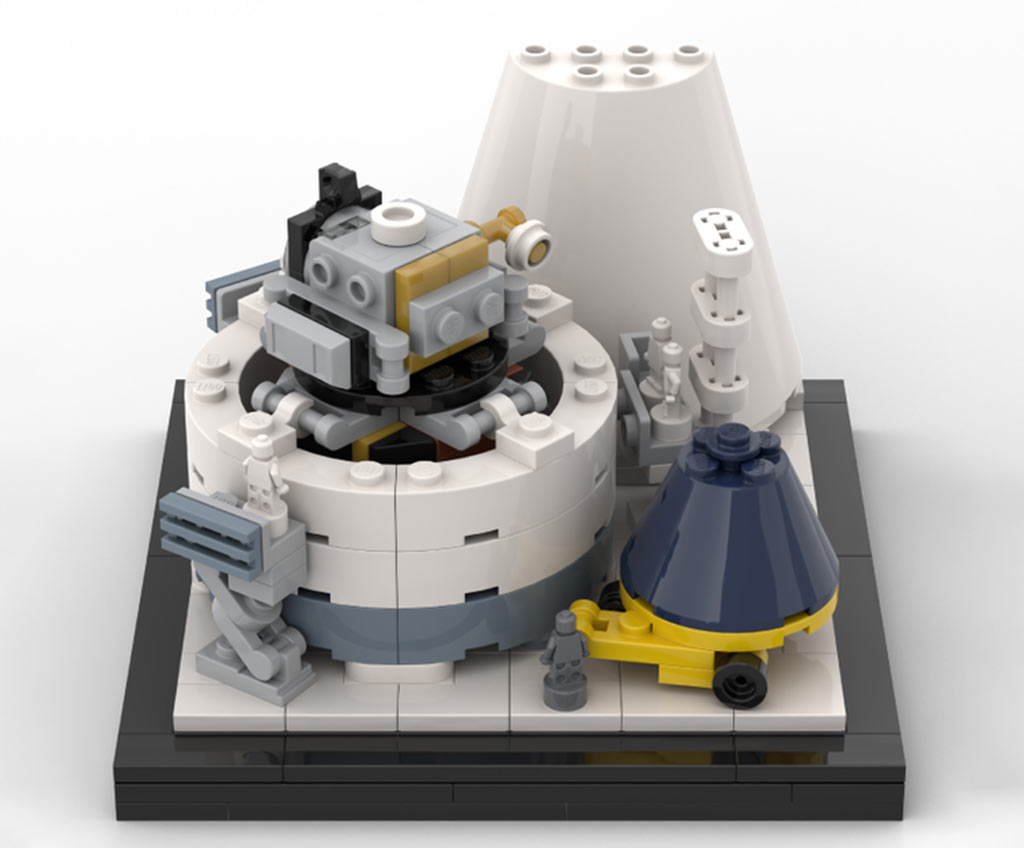
Apollo 5 (LM-1)
Apollo 5 (LM-1)
1st launch attempt:
Launch Site:
Orbital Type:
Country of Origin:
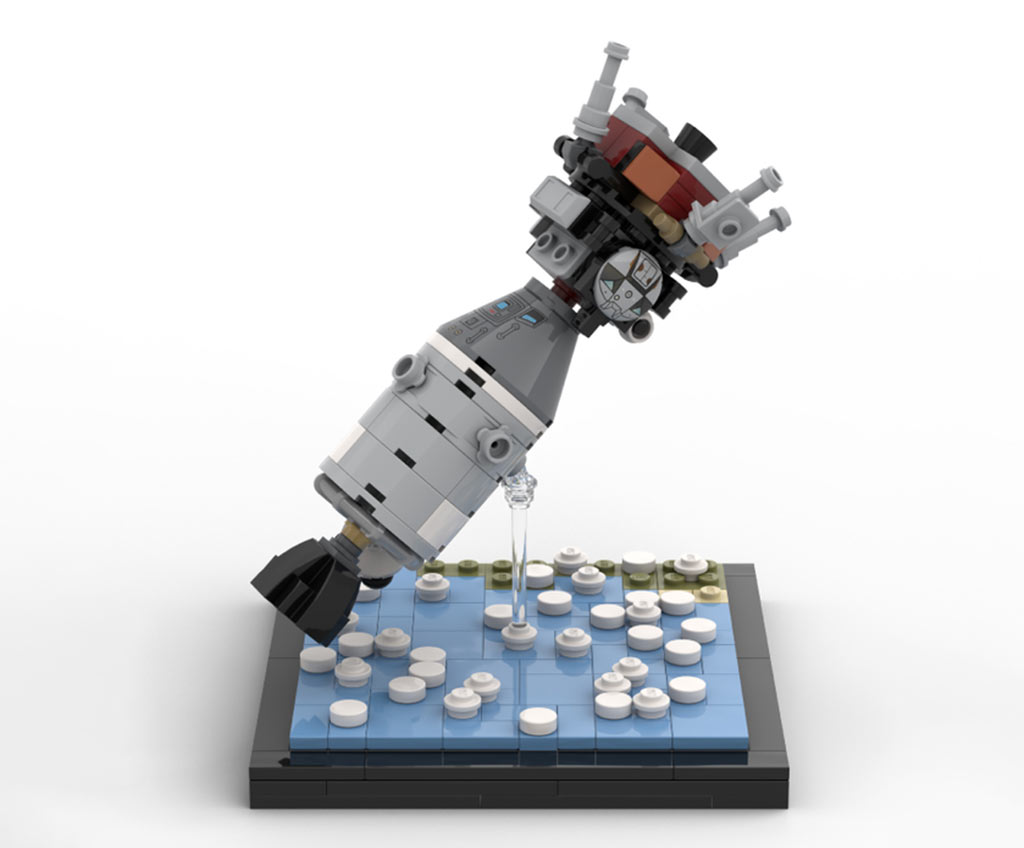
Apollo 9 (CSM Gumdrop and LM Spider)
Apollo 9 (CSM Gumdrop and LM Spider)
1st launch attempt:
Launch Site:
Orbital Type:
Country of Origin:
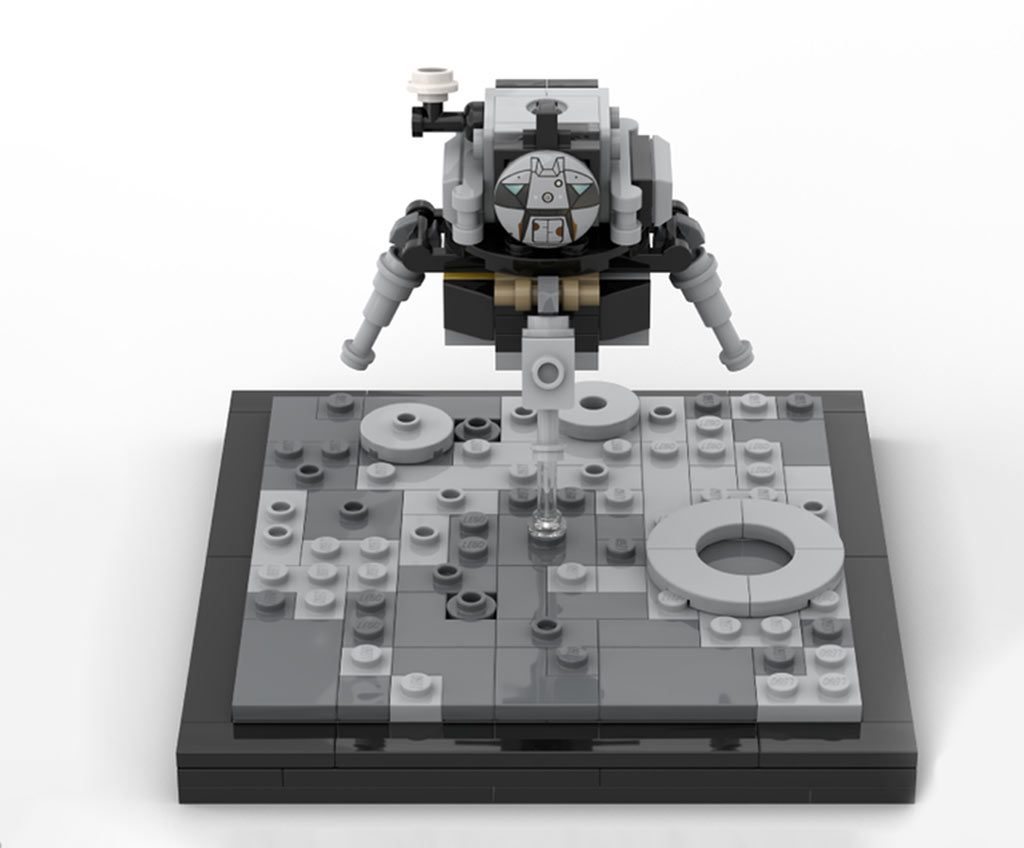
Apollo 10 (LM Snoopy)
Apollo 10 (LM Snoopy)
1st launch attempt:
Launch Site:
Orbital Type:
Country of Origin:
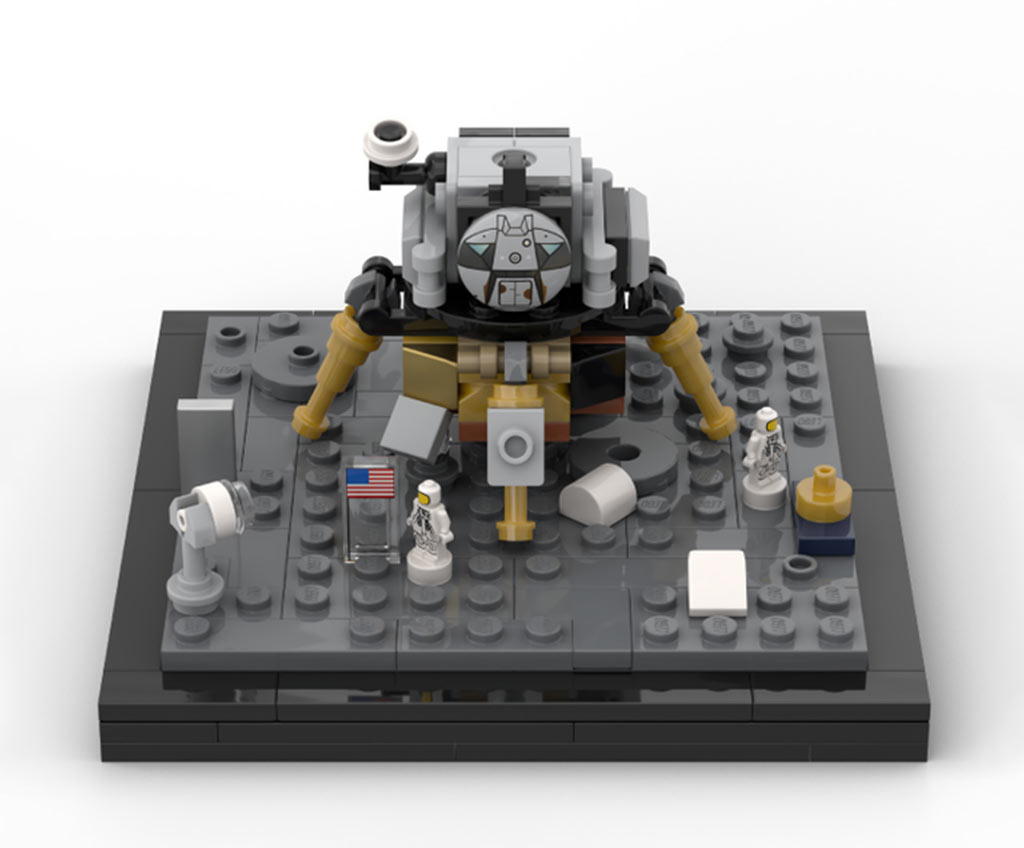
Apollo 11 (LM Eagle and EASEP)
Apollo 11 (LM Eagle and EASEP)
1st launch attempt:
Launch Site:
Orbital Type:
Country of Origin:
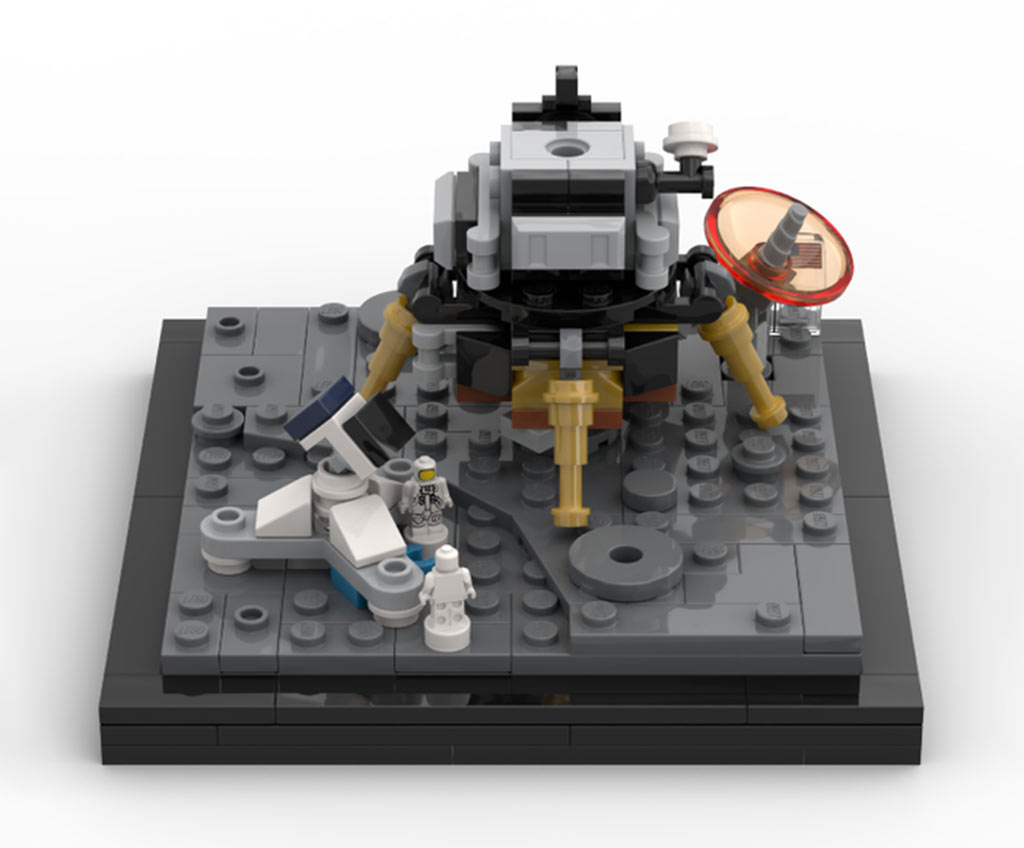
Apollo 12 (LM Intrepid and Surveyor 3)
Apollo 12 (LM Intrepid and Surveyor 3)
1st launch attempt:
Launch Site:
Orbital Type:
Country of Origin:
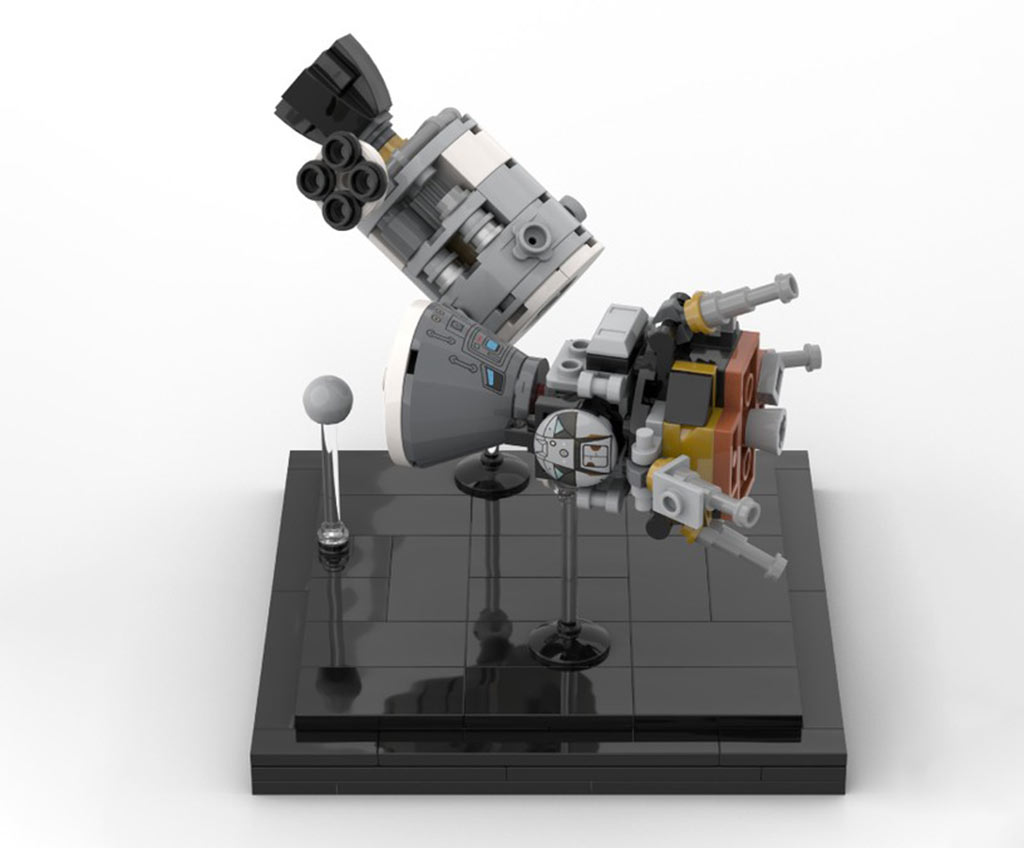
Apollo 13 (CSM Odyssey and LM Aquarius)
Apollo 13 (CSM Odyssey and LM Aquarius)
1st launch attempt:
Launch Site:
Orbital Type:
Country of Origin:
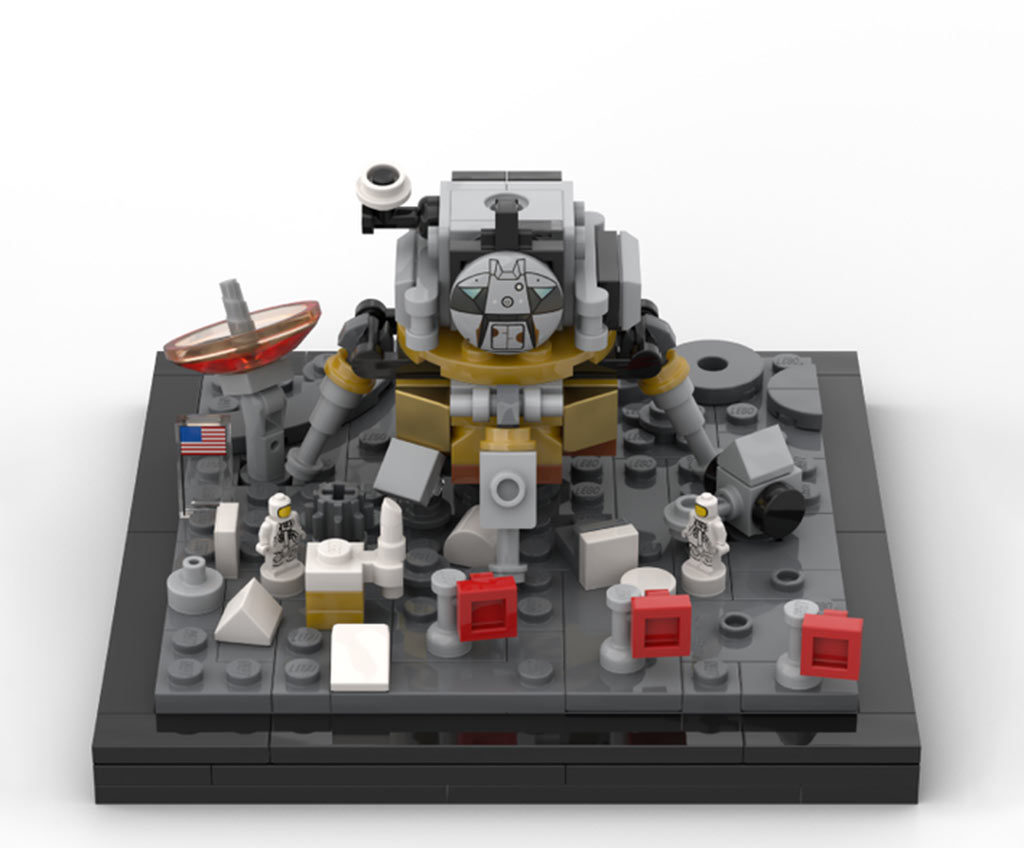
Apollo 14 (LM Antares and ALSEP)
Apollo 14 (LM Antares and ALSEP)
1st launch attempt:
Launch Site:
Orbital Type:
Country of Origin:
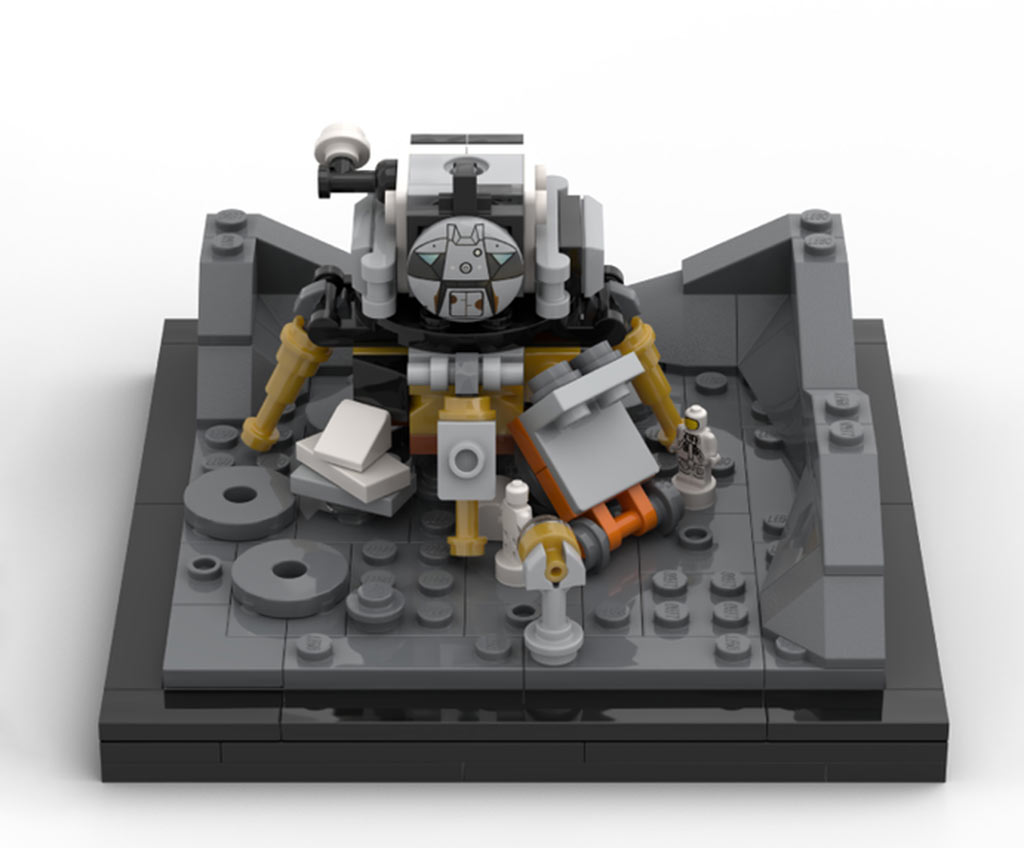
Apollo 15 (LM Falcon and LRV)
Apollo 15 (LM Falcon and LRV)
1st launch attempt:
Launch Site:
Orbital Type:
Country of Origin:
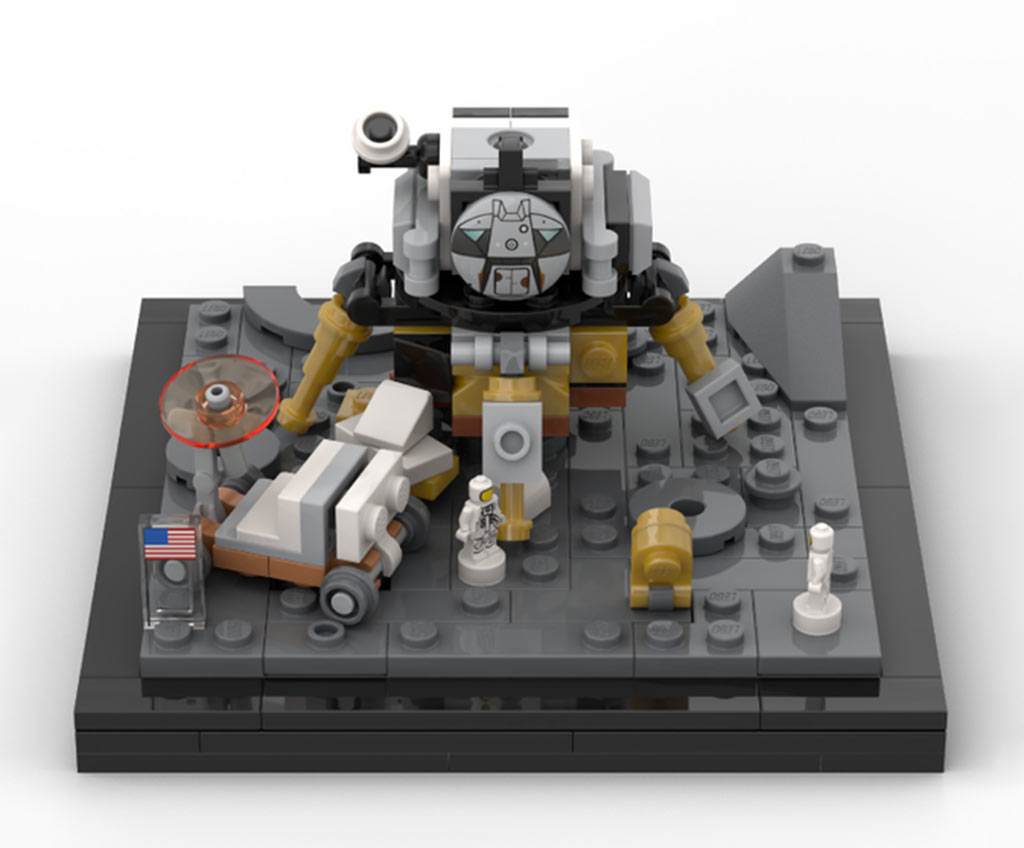
Apollo 16 (LM Orion and LRV)
Apollo 16 (LM Orion and LRV)
1st launch attempt:
Launch Site:
Orbital Type:
Country of Origin:
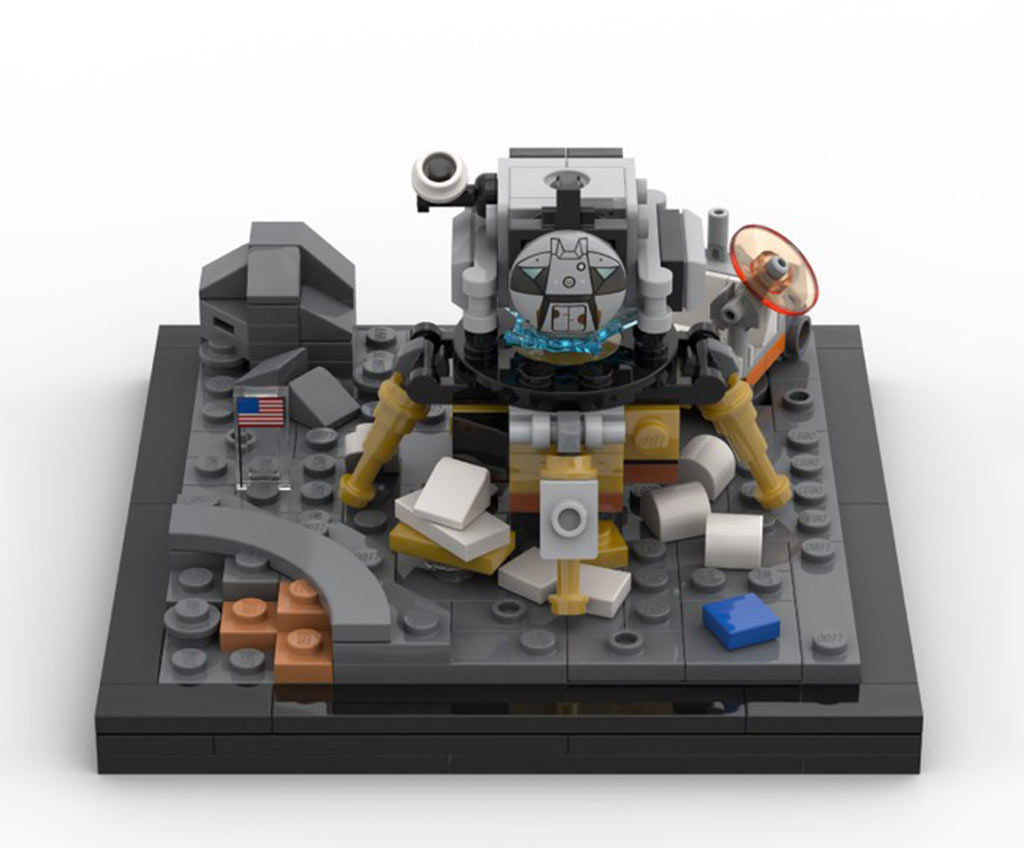
Apollo 17 (LM Challenger and LRV)
Apollo 17 (LM Challenger and LRV)
1st launch attempt:
Launch Site:
Orbital Type:
Country of Origin:
The End
On 14 December 1972, Gene Cernan climbed the ladder of the Lunar Module Challenger for the last time. Before he did, he said: “We leave as we came and, God willing, as we shall return, with peace and hope for all mankind.” He has not returned. Nobody has.
Apollo 17 was the last crewed lunar mission. Three more had been planned — 18, 19, and 20 — and were cancelled for budgetary reasons. The hardware had already been built. Two of the Saturn V rockets that would have flown them are on display at Kennedy Space Center and Johnson Space Center, lying on their sides in the open air, the largest museum exhibits in the world.
The twelve men who walked on the Moon brought back 842 pounds of lunar samples that scientists are still studying today. They deployed seismometers that recorded moonquakes for years after the missions ended. They left laser ranging targets that precisely measure the Moon’s distance and the rate at which it is slowly receding from Earth. They answered questions about the solar system’s formation that had been open since the beginning of science, and opened new ones that haven’t been answered yet.
For a brief window between 1969 and 1972, human beings regularly travelled to another world and came home. It remains the most distant destination any human has ever reached. The footprints they left in the lunar regolith will still be there in a million years, undisturbed by wind or weather, waiting.