

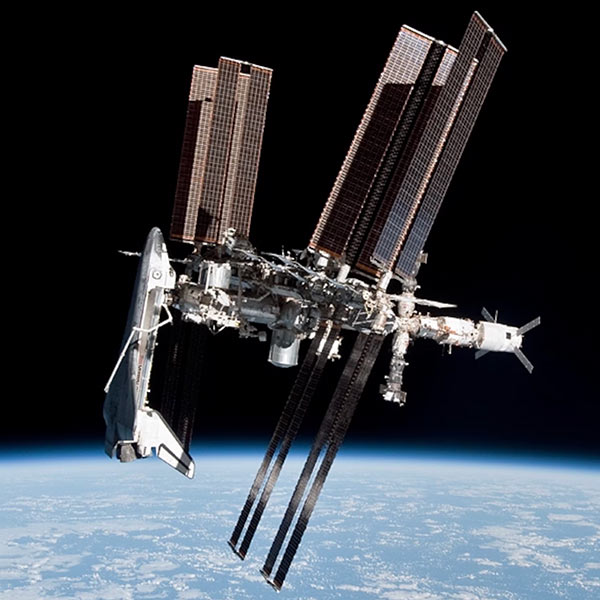
After Skylab demonstrated that humans could live and work in orbit for extended periods, NASA pressed persistently for a follow-on station. The Shuttle when it finally flew in 1981, was supposed to be the logistics vehicle that made a permanent station possible. The station itself was always the next step.
On 25 January 1984, President Reagan made it official. In his State of the Union address, he directed NASA to develop a permanently crewed space station and to do it within a decade, a deadline that would prove as unrealistic as Kennedy’s had been audacious. The difference was that Kennedy’s programme had clear technical objectives, adequate funding, and unified direction. Freedom had none of these things.
What followed was nine years of institutional paralysis disguised as progress. The programme was structured across four NASA centres, Marshall, Johnson, Lewis, and Goddard, each responsible for a separate work package, each with its own contractors, its own priorities, and its own institutional momentum. The result was a design that grew in cost and complexity with each passing year while simultaneously shrinking in capability.
In April 1987, the design Freedom’s creators described as a Dual Keel configuration, a grand structure of perpendicular trusses and pressurised modules, was found to cost at least $14.5 billion triggering a congressional uproar that forced yet another redesign. By 1990, the design had collapsed under its own weight: it was too heavy, over budget, too complicated to assemble, and provided too little power for its users. Seven major redesigns in nine years, each one cutting capability while raising costs, had produced a programme that had spent $11 billion building almost nothing.
The name Freedom, given to the station by Reagan in June 1988, sat with increasing irony over a programme that seemed imprisoned by its own institutional architecture. Congressional patience was exhausted. The incoming Clinton administration was openly sceptical. And then, quite unexpectedly, the solution appeared, from the ruins of the programme Freedom had been designed to compete against.
The Last Soviet Citizen
Sergei Krikalev had launched to Mir in May 1991 for what was supposed to be a five-month mission. He was a 33-year-old flight engineer, quiet, technically brilliant, the best manual pilot in the cosmonaut corps. He had been up there when the August coup attempt against Gorbachev failed. He had been up there when the Baltic states declared independence. He had been up there in October, when his crewmates returned to Earth and couldn’t be replaced because Russia had sold the only available Soyuz seat to an Austrian cosmonaut for $7 million. He had been up there when Japan paid $12 million to send a television reporter. There was simply no money to send him a replacement. He stayed.
On Christmas Day 1991, Mikhail Gorbachev resigned and the Soviet Union ceased to exist. The flag above the Kremlin was lowered. The USSR stamp in Krikalev’s passport became, overnight, the identification of a country that no longer existed. His home city had been renamed: Leningrad was now St Petersburg, a place he had never lived. He circled the Earth watching continents drift past his porthole, unable to come home because the country that had sent him had disappeared.
He finally returned on 25 March 1992 after 311 days in space, twice his planned mission duration, a world record he had not sought. Four men helped him stand as he emerged from the Soyuz capsule, pale and unsteady, wearing a spacesuit with the letters USSR on the chest. He landed in the newly independent Republic of Kazakhstan. They threw a fur coat over his shoulders in the spring snow. A reporter asked him which of the changes had surprised him most, Gorbachev gone? Yeltsin in power? Leningrad become St Petersburg? He answered with complete literalness: “What surprises me most? That at first the Earth was dark, and now it’s white. Winter has come, and before it was summer. Now it’s beginning to bloom again. That’s the most impressive change you can see from space.”
Krikalev went straight back to training. Within a year he was in Houston, preparing to fly on a Space Shuttle. The first Russian to fly on an American spacecraft. The last Soviet citizen had become the first ambassador of a new relationship.
The Pivot
The strategic calculus that turned the Soviet Union’s collapse into the ISS’s salvation was at its core, about nuclear weapons and their engineers. The post-Soviet Russian space programme was in existential crisis. Thousands of engineers and scientists who had built the world’s most capable rocket systems were going unpaid, or being paid in factory goods that couldn’t be exchanged for food. The same facilities that had built ICBMs were struggling to meet payroll. The geopolitical fear in Washington was explicit: if these people couldn’t find legitimate employment in Russia, they would find employment elsewhere, in Iran, in North Korea, in any state that wanted their knowledge and could pay for it. Keeping Russian aerospace engineers busy on cooperative space projects was cheaper and safer than any alternative.
NASA administrator Daniel Goldin and Russian Space Agency director Yuri Koptev signed cooperative agreements in October 1992. The Clinton administration, looking at a space station programme that had spent $11 billion and produced nothing flyable, saw the opportunity simultaneously: Russian experience in long-duration spaceflight, Russian hardware that actually worked, and Russian engineers who needed the work. In 1993 Clinton directed NASA to redesign Freedom one more time, this time incorporating Russian participation. The redesign produced a station that was genuinely new: larger, more capable, more sustainable, and crucially, buildable with the resources available.
The vote on the redesigned programme in June 1993 survived by one vote. By October, the merger with the Russian programme was formalised. Space Station Alpha, the name that briefly replaced Freedom, eventually became the International Space Station.
The partnership faced immediate scepticism from both sides. American engineers worried about Russian reliability after years of Cold War secrecy. Russian engineers worried about subordinating their hard-won expertise to an American management structure. Congressional opponents raised the valid concern that integrating Russian hardware created a dependency on a geopolitically unreliable partner. All of these concerns would prove prescient at various points over the following three decades. None of them outweighed the alternative, which was no station at all.
The Shuttle-Mir Bridge
Before a single ISS module could be built, the two programmes needed to learn to work together. The Shuttle-Mir programme, running from 1994 to 1998, was the apprenticeship. Seven American astronauts spent extended periods aboard Mir, living on a Russian space station, learning the systems, learning the language, learning what it meant to trust your life to hardware built by former adversaries.
The experiences were not uniformly comfortable. Jerry Linenger’s stay in early 1997 included a serious fire when a solid-fuel oxygen generator caught fire and burned for fourteen minutes, filling the station with smoke and blocking access to one of the two Soyuz emergency return vehicles. The crew managed to extinguish it. Two months later an unmanned Progress cargo spacecraft, during a manual docking test, struck the Spektr module, puncturing its hull and causing a slow depressurisation that forced the crew to seal off the module permanently. Mir was losing pressure. The station had been held together, in the memorable phrase of one NASA official, “with baling wire, duct tape, and healthy doses of WD-40.” It survived both incidents. So did the partnership.
The experience was invaluable precisely because it was difficult. American engineers learned what worked and what didn’t about Russian station systems, not from documents but from lived experience. The trust that was built was not abstract diplomatic trust but the specific, personal trust of people who had shared dangerous situations and come through them together. When ISS assembly began, this foundation mattered enormously.
Building a City in Orbit
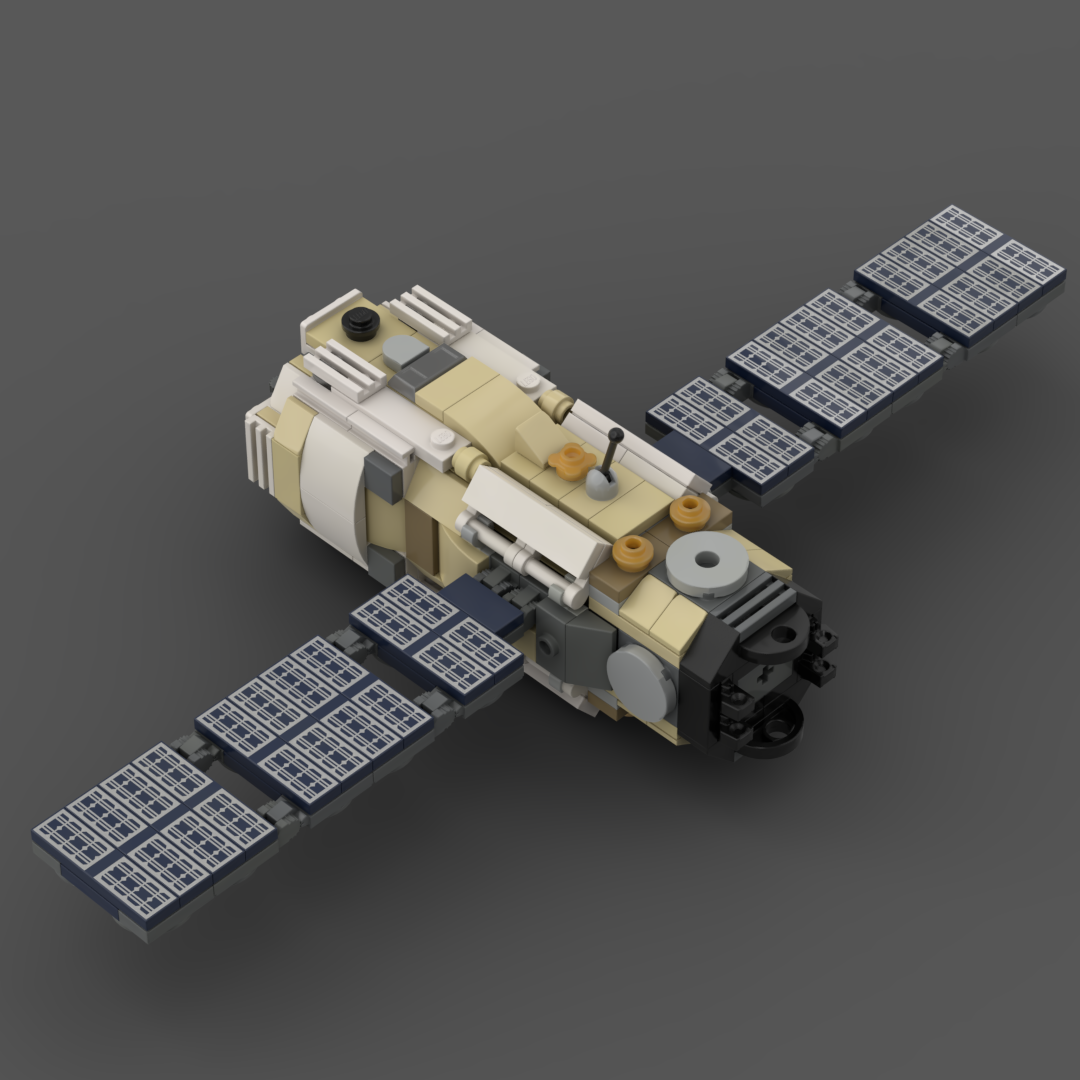
On 20 November 1998, a Proton-K rocket lifted off from Baikonur and placed Zarya into orbit. The name means Sunrise, chosen to symbolise a new era of international cooperation, or possibly chosen because its irony was too good to pass up, given that it had been built with mothballed hardware from a cancelled Soviet laser weapons programme. Zarya’s structure traced its lineage to the TKS spacecraft developed for the Salyut programme. It had been funded by $220 million in NASA contracts and built in Moscow by the Khrunichev factory, American money, Russian hardware, in orbit above both their countries simultaneously.
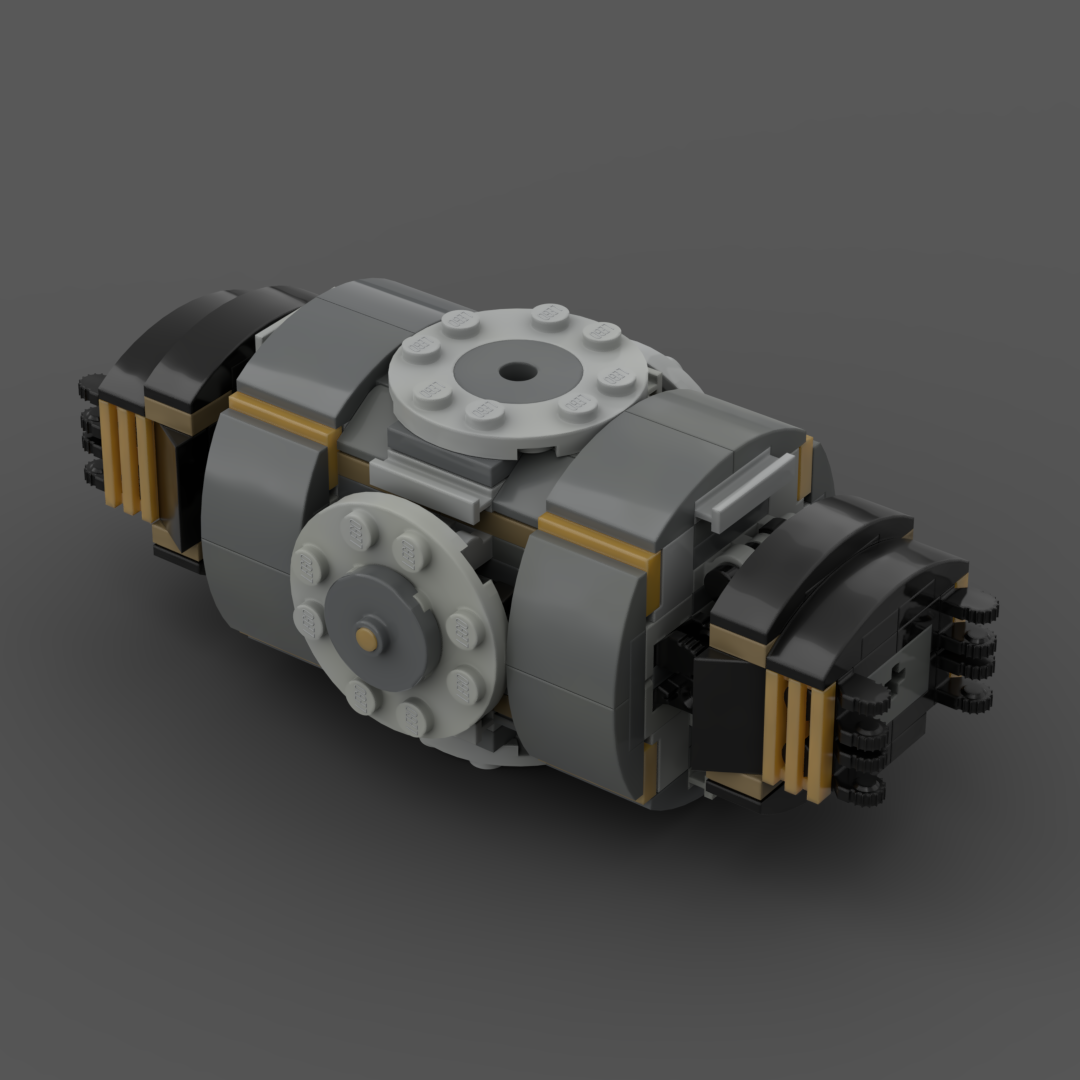
Two weeks later, Space Shuttle Endeavour lifted off from Kennedy Space Center carrying Unity, Node 1, the first American component of the ISS, a six-port connecting hub that would eventually link half a dozen modules together. Commander Bob Cabana manoeuvred Endeavour to within ten metres of the orbiting Zarya. Mission Specialist Nancy Currie reached out with the Canadarm and grappled the Russian module, bringing it to just above Unity’s berthing port. Cabana fired Endeavour’s thrusters. The two modules came together.
On 10 December 1998, Cabana and Krikalev, floated through the hatch together and entered the new station side by side. Neither spoke. The gesture was deliberate. The moment was planned. It was also genuinely felt by everyone watching.
What Zarya and Unity contained, between them, was astonishing: Unity alone held over 50,000 mechanical items, 216 fluid and gas lines, and 121 electrical cables running six miles of wire, all installed by hand, carefully matched to the Russian module’s systems, built to tolerances so precise that two components manufactured on opposite sides of the planet, in facilities that had never communicated directly, fitted together on the first attempt without adjustment.
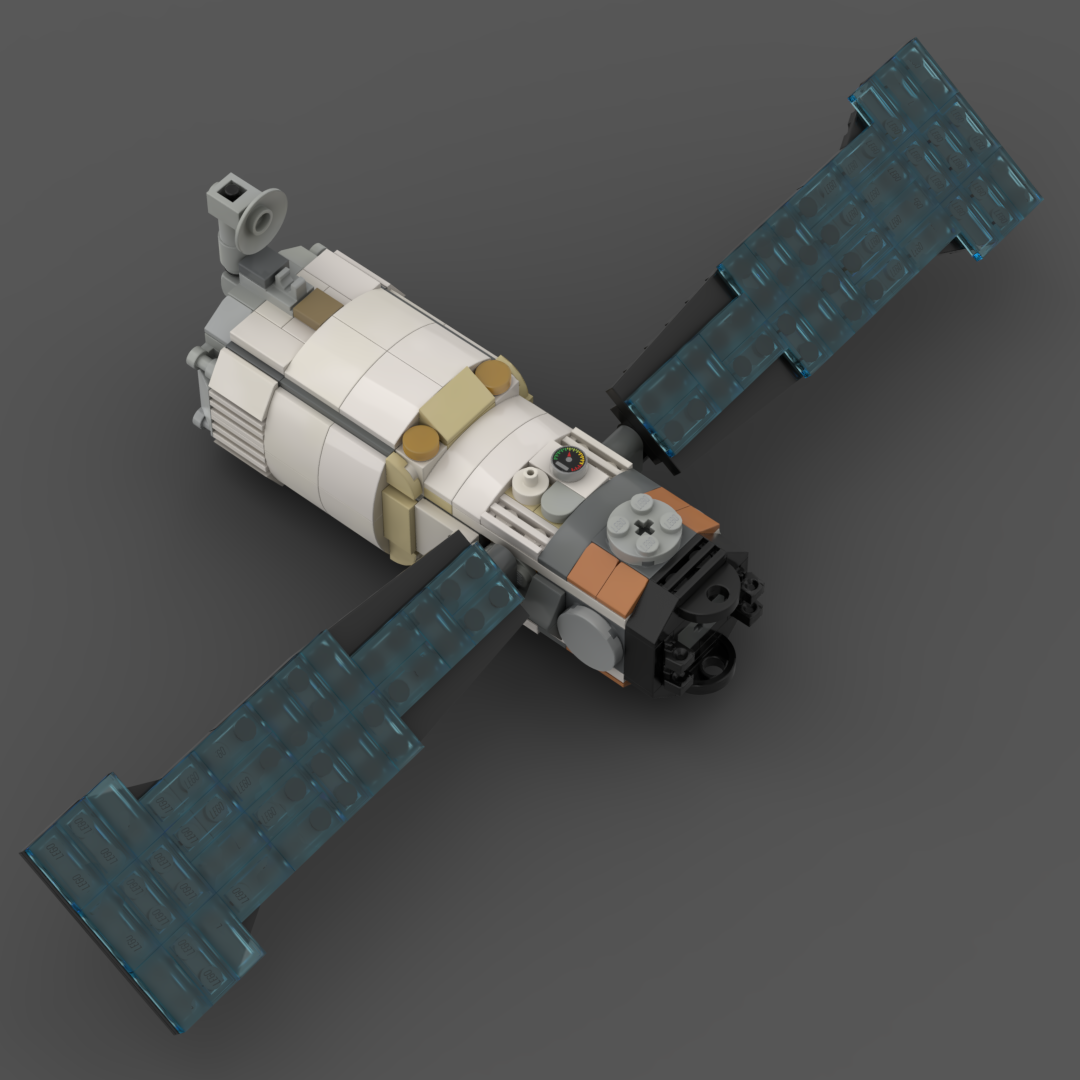
The station sat empty for nearly two years after that, waiting for Zvezda, the Russian service module that would provide habitation, life support, and propulsion control. Zvezda was delayed by Russian financial difficulties and technical issues, its launch slipping from late 1999 to July 2000. Two Shuttle visits kept the fledgling station maintained and outfitted in the meantime. When Zvezda finally launched and docked autonomously, the three-module complex was ready for its first crew.
Zarya
Unity, PMA1 and PMA2
Zvezda
Expedition 1
On 31 October 2000, Soyuz TM-31 launched from Baikonur carrying Commander William Shepherd, Soyuz Commander Yuri Gidzenko, and Flight Engineer Sergei Krikalev. The last Soviet citizen was going back to space, this time as a crew member of a station that belonged to no single nation and all of them simultaneously.
They docked on 2 November 2000. Shepherd, floating through the hatch first as commander, called the station “a great place to live and work.” It was the beginning of something that hasn’t ended. As of this writing, humans have been continuously present aboard the International Space Station for over a quarter of a century without interruption, through the Columbia disaster, through the years when only a Soyuz could get there, through political crises between the partner nations, through a global pandemic on the surface below. The clock has never stopped.
The station the Expedition 1 crew entered was still skeletal. Three modules, a truss segment, and two docked spacecraft. No laboratory. No Canadian robotic arm. No solar arrays beyond Zarya and Zvezda’s own. The US Destiny laboratory wouldn’t arrive until February 2001, carried up by Atlantis and bolted to Unity’s forward port during five hours of spacewalk. The Canadarm2 followed in April.
The Quest airlock, allowing spacewalks without the use of a docked spacecraft, came in July. With each Shuttle flight, another piece was added, nodes, trusses, solar arrays, laboratories, each component tested on the ground, launched in a payload bay, and assembled in orbit by crews whose training had prepared them for contingencies their instructors had invented specifically for this purpose.
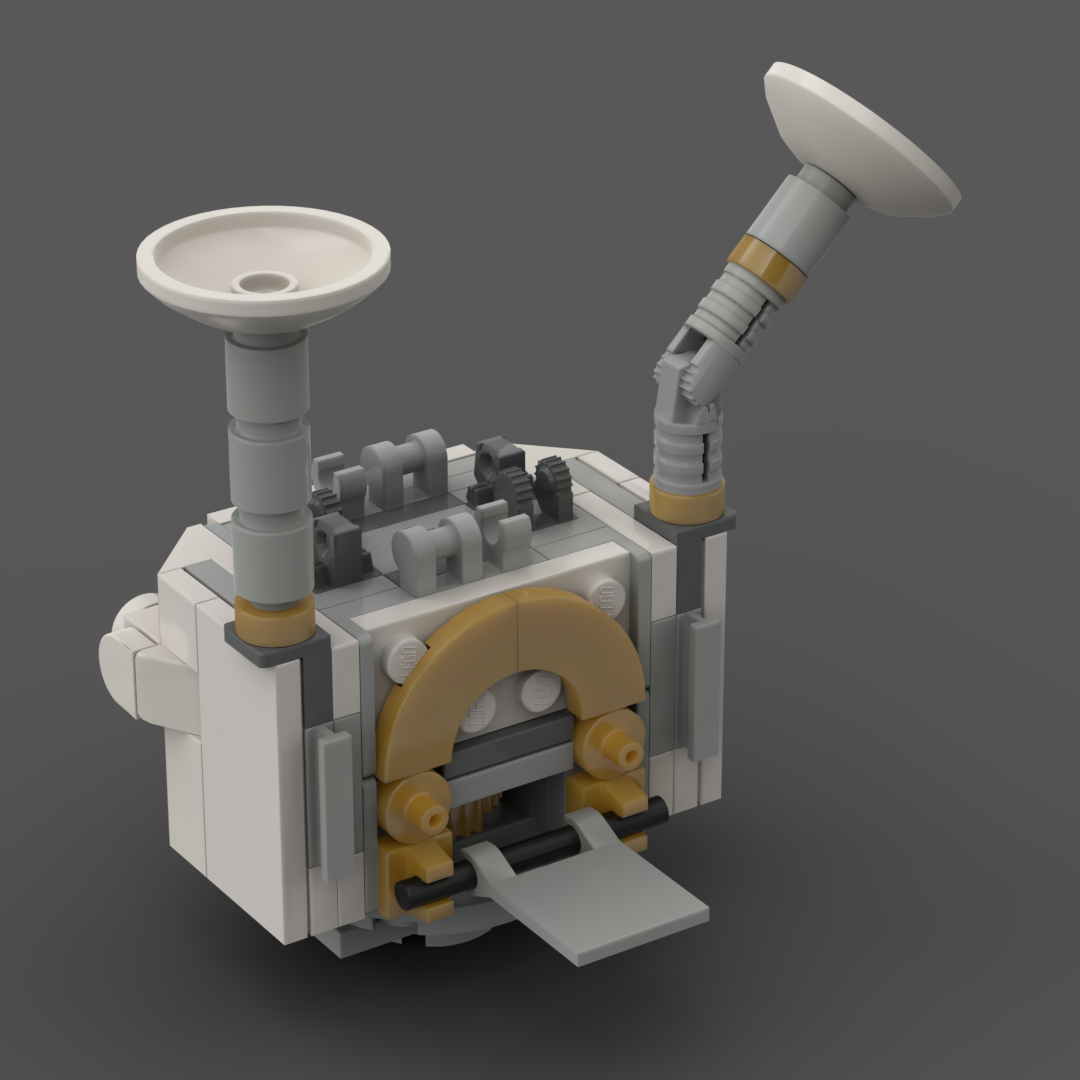
Z1 Truss
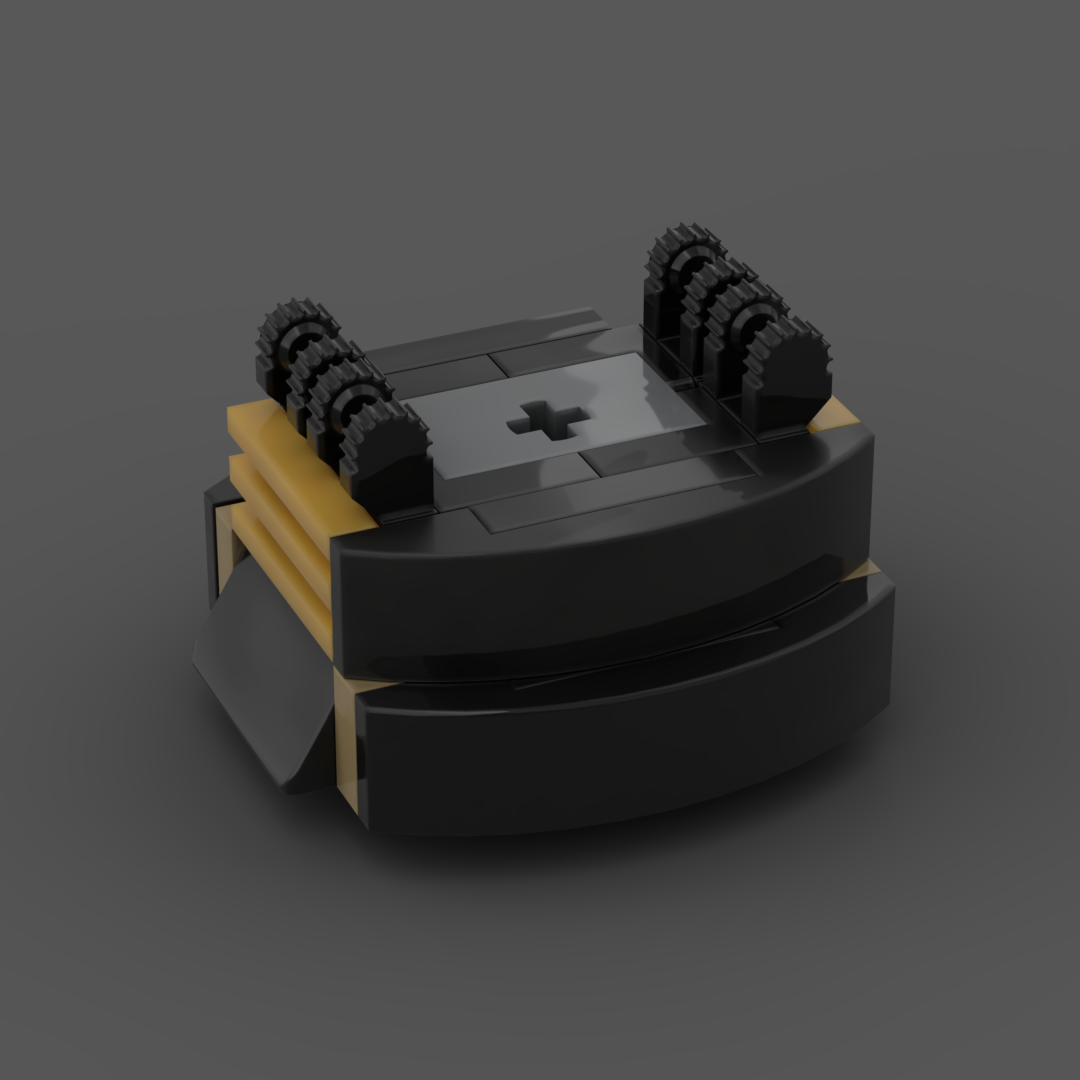
PMA3
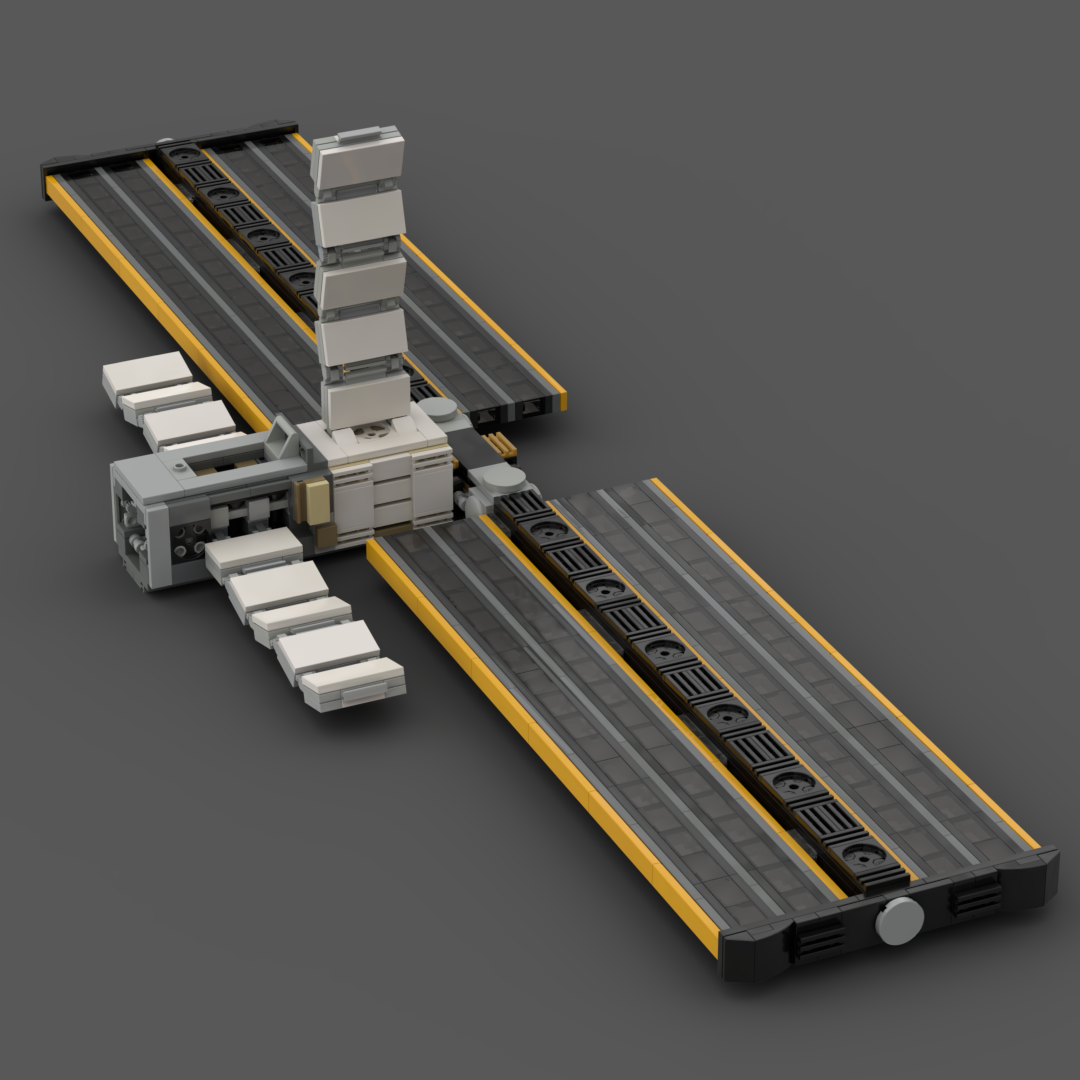
P6 Truss
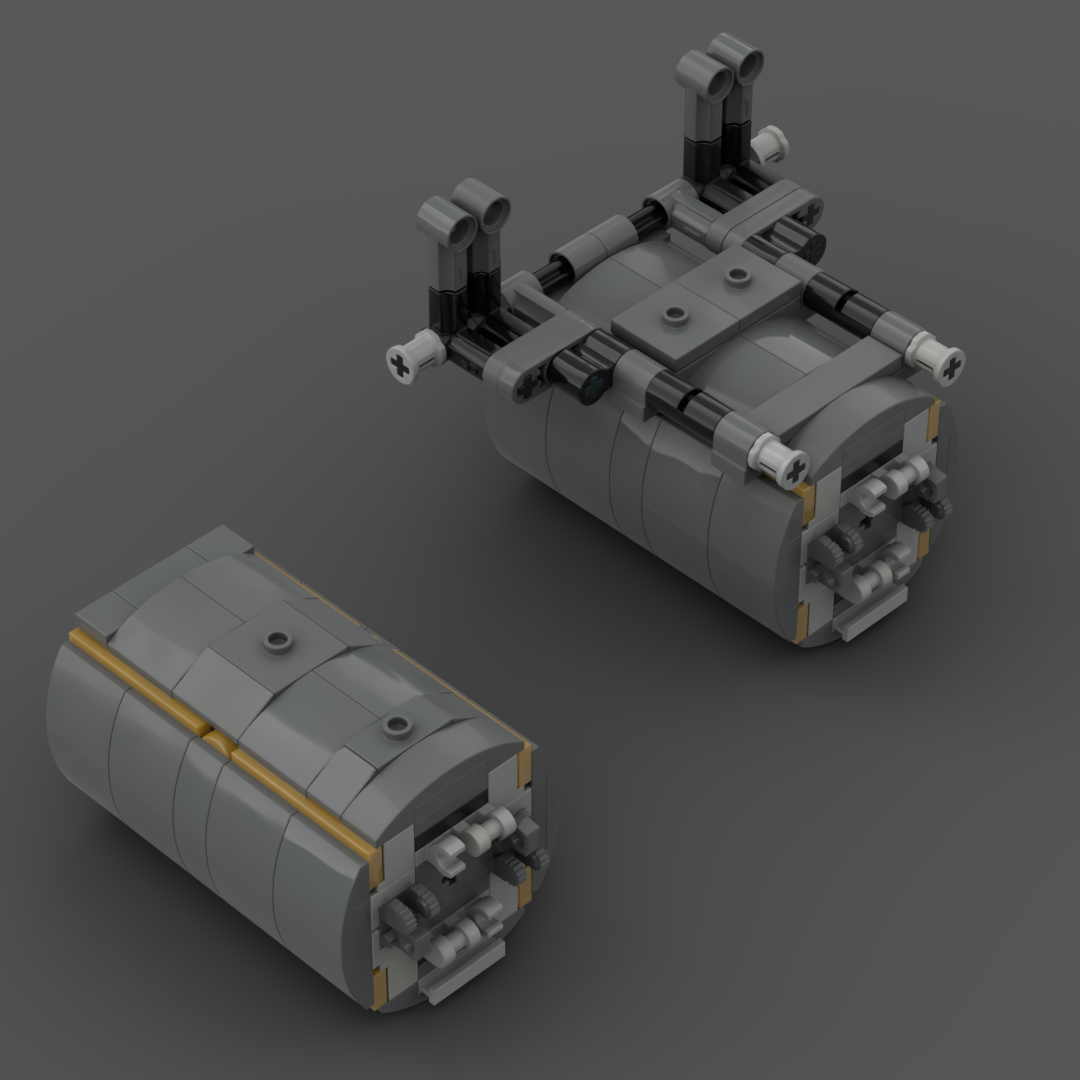
Destiny
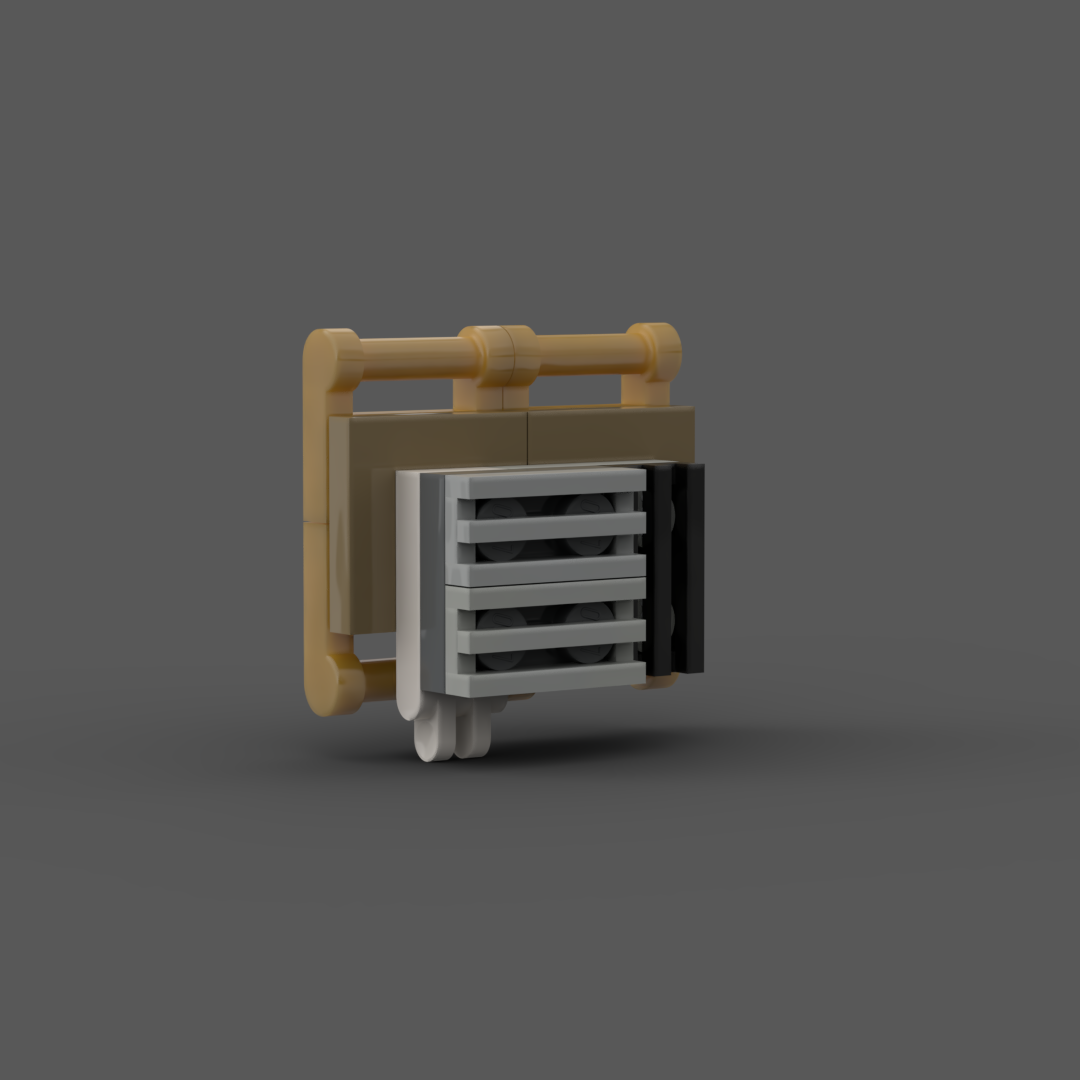
ESP1
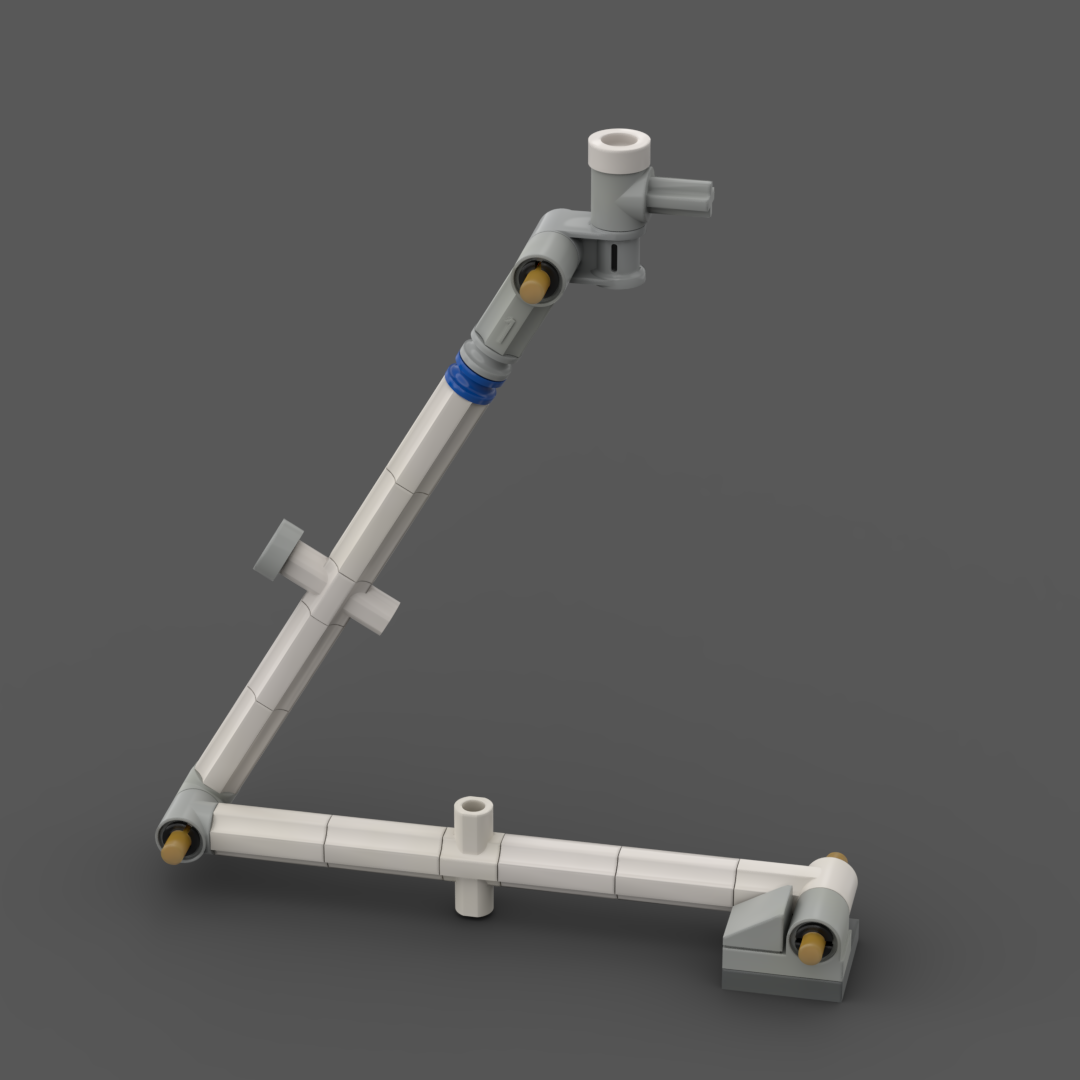
Canadarm
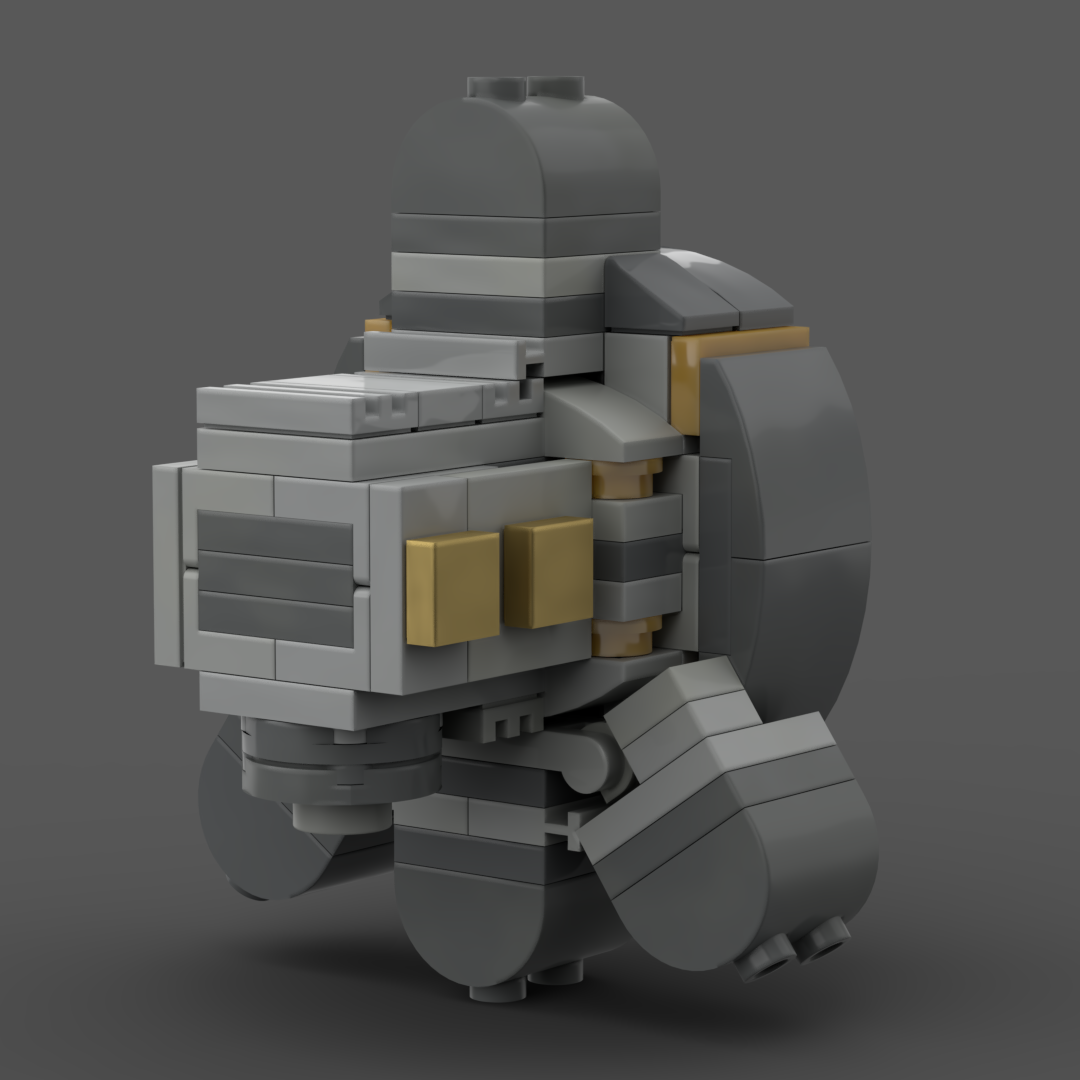
Quest Airlock
Pirs to P1: The Backbone Takes Shape
With the station inhabited and the first science laboratory installed, assembly shifted into higher gear through 2001 and 2002. In September 2001, Russia launched the Pirs docking compartment aboard a modified Progress freighter, which docked to the nadir port of Zvezda. Pirs added a dedicated airlock for Russian Orlan spacesuits and an additional berth for Soyuz and Progress vehicles, a modest but necessary piece of the Russian segment’s infrastructure. It would occupy that port for twenty years.
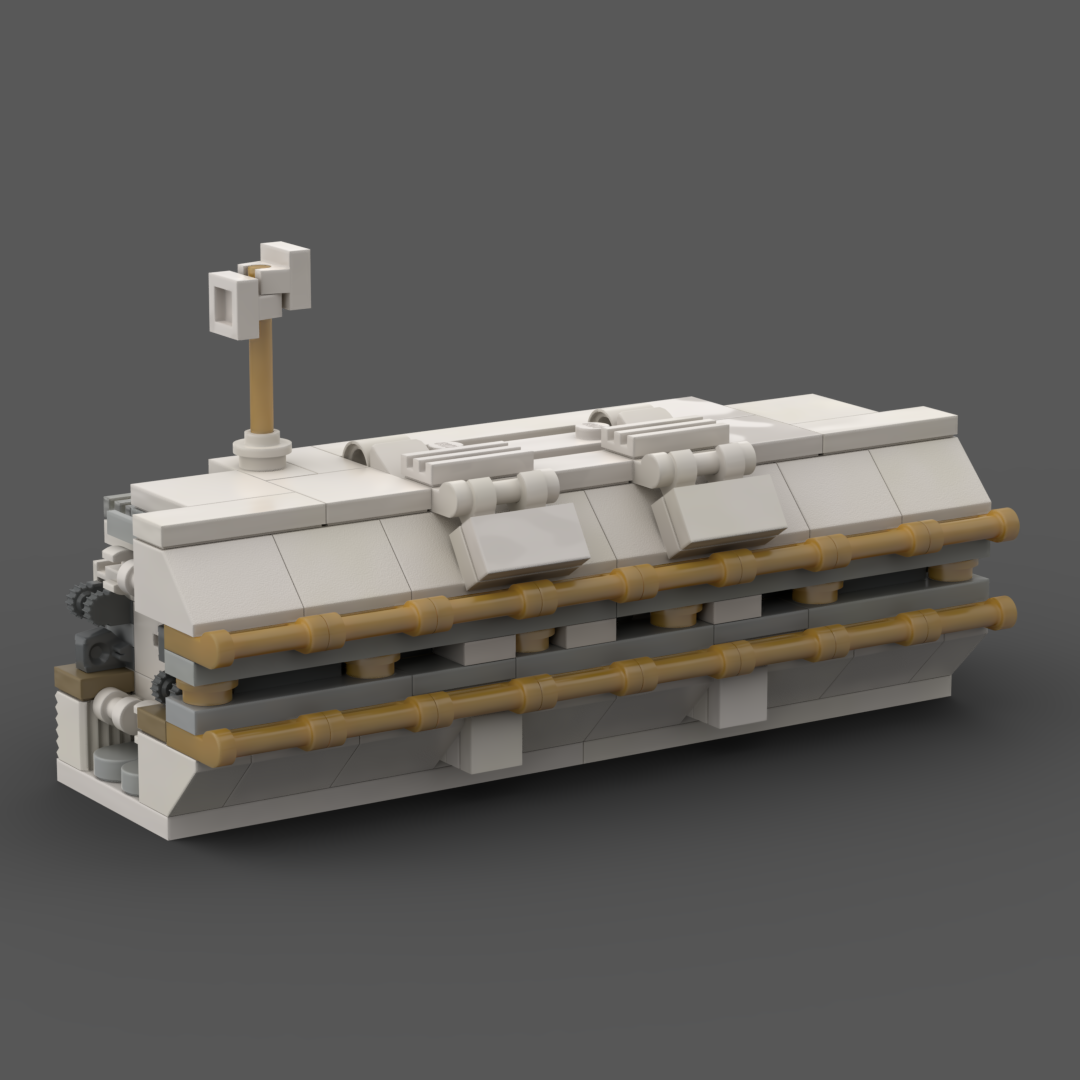
The year 2002 belonged to the truss. In April, Atlantis delivered the central S0 segment, the spine from which the entire horizontal truss structure would grow, and astronauts attached it directly to the top of Destiny with four rigid struts.
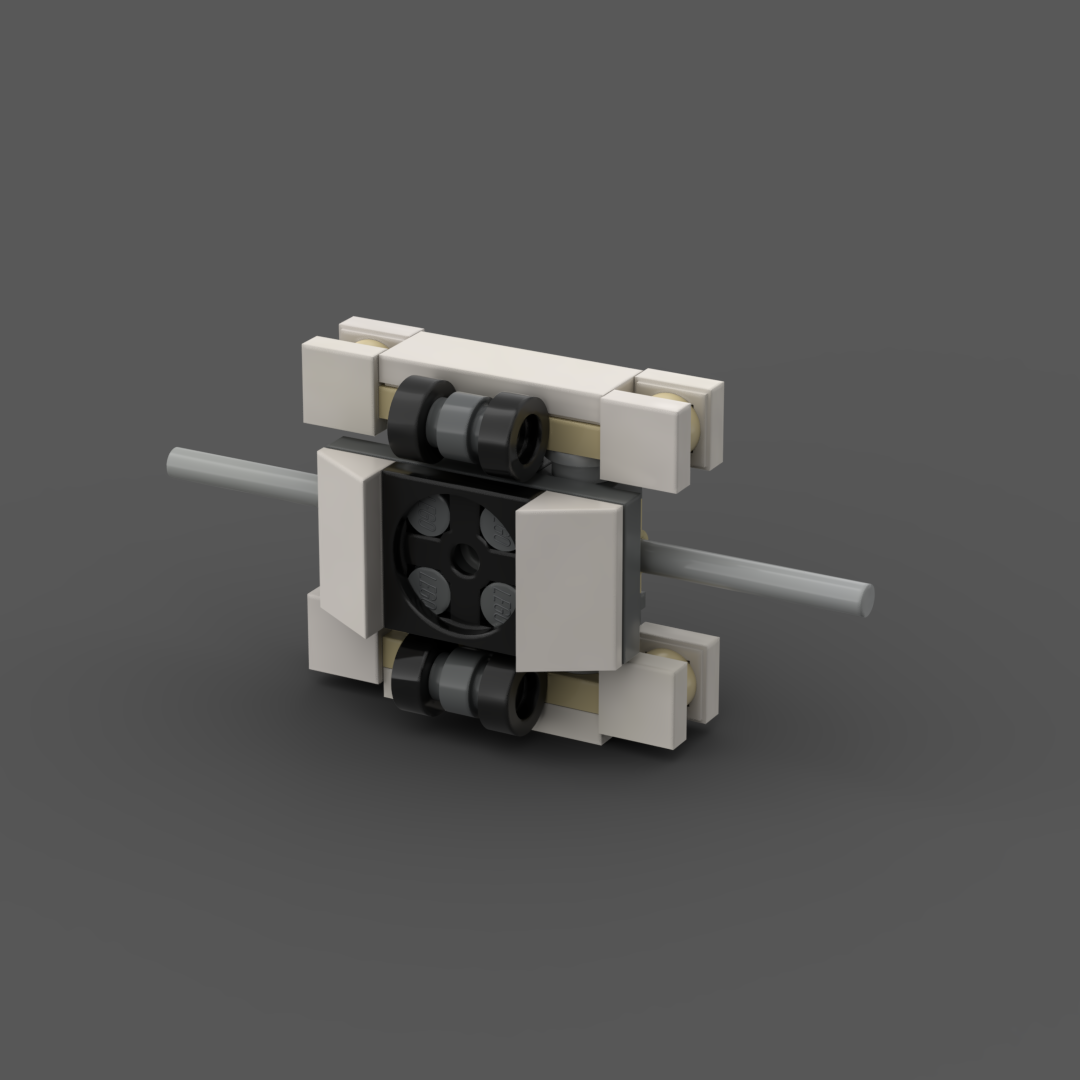
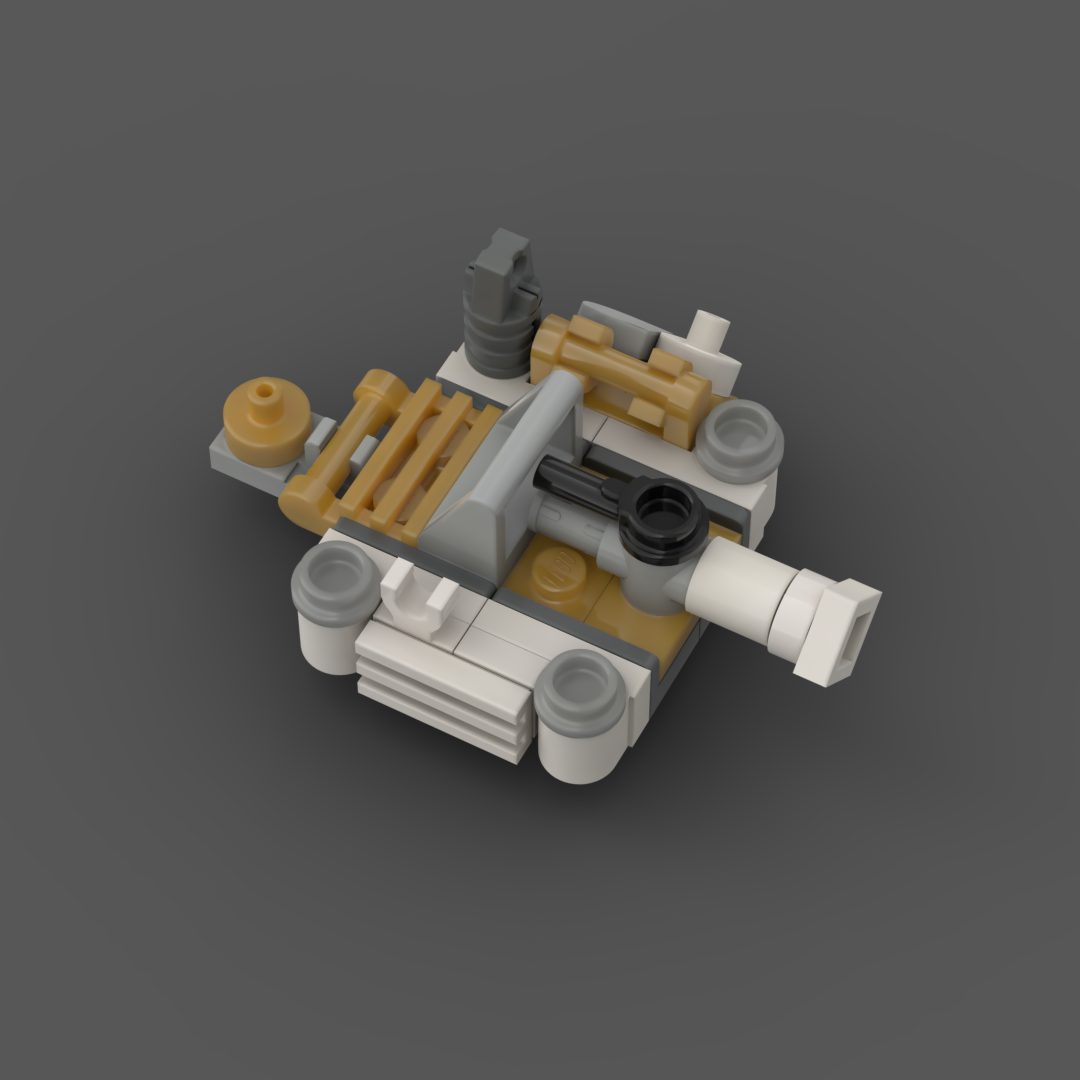
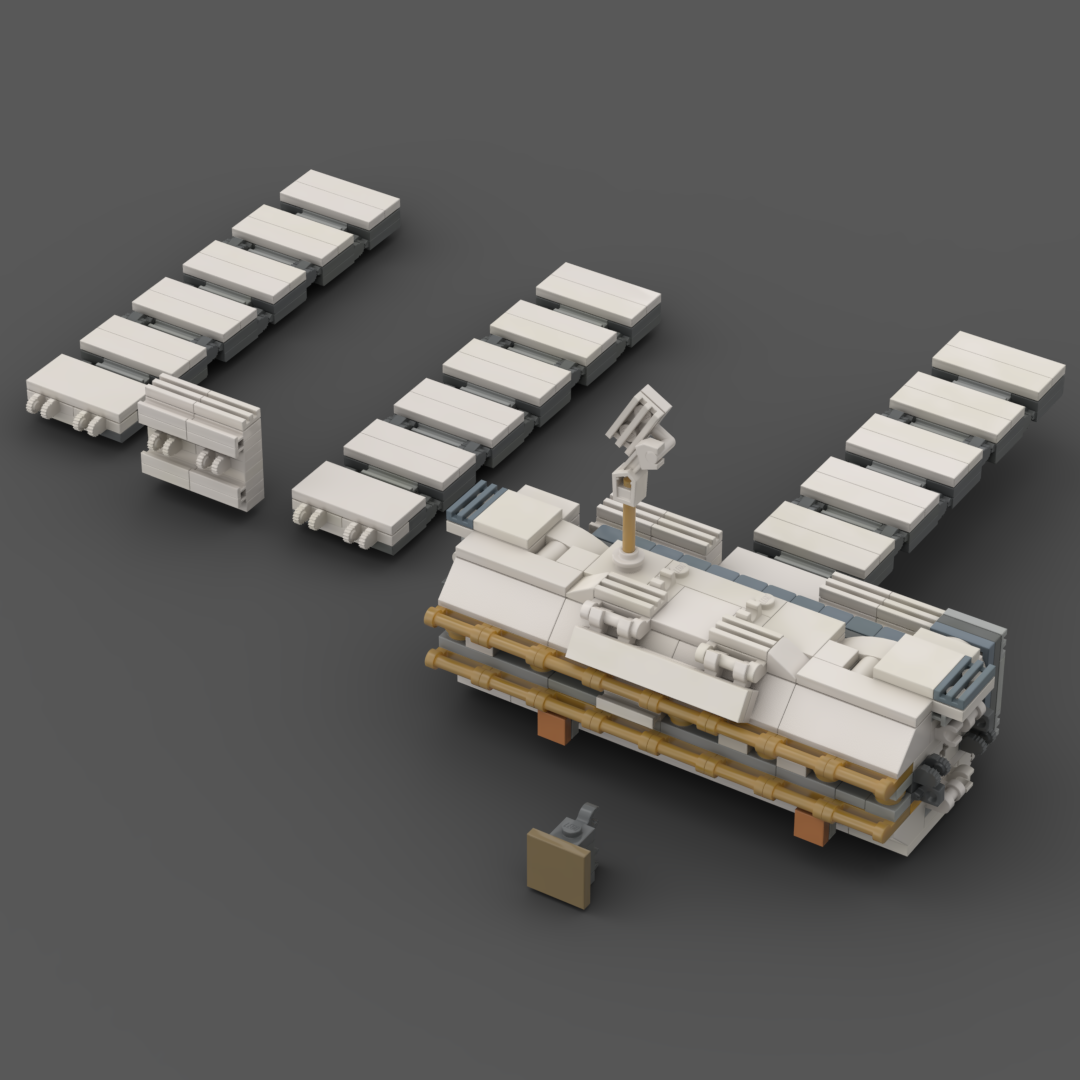
The Mobile Transporter, a railcar on which Canadarm2 would ride the length of the finished truss, was added in June. October brought the S1 starboard truss, and November the P1 port truss, mirror-image segments each 13.7 metres long, each carrying three heat rejection radiators flowing 290 kilograms of anhydrous ammonia to shed waste heat from the station’s systems. The P1 also extended the Mobile Transporter rail line, allowing the robotic arm to reach further along the growing structure. The station was beginning to look like the diagrams.
Then, on 1 February 2003, Space Shuttle Columbia disintegrated over Texas during reentry, killing all seven crew members. ISS assembly stopped entirely. The Shuttle fleet was grounded for more than two and a half years. During that time the station operated on a reduced two-person crew, sustained by Soyuz and Progress vehicles, falling steadily behind its assembly schedule.
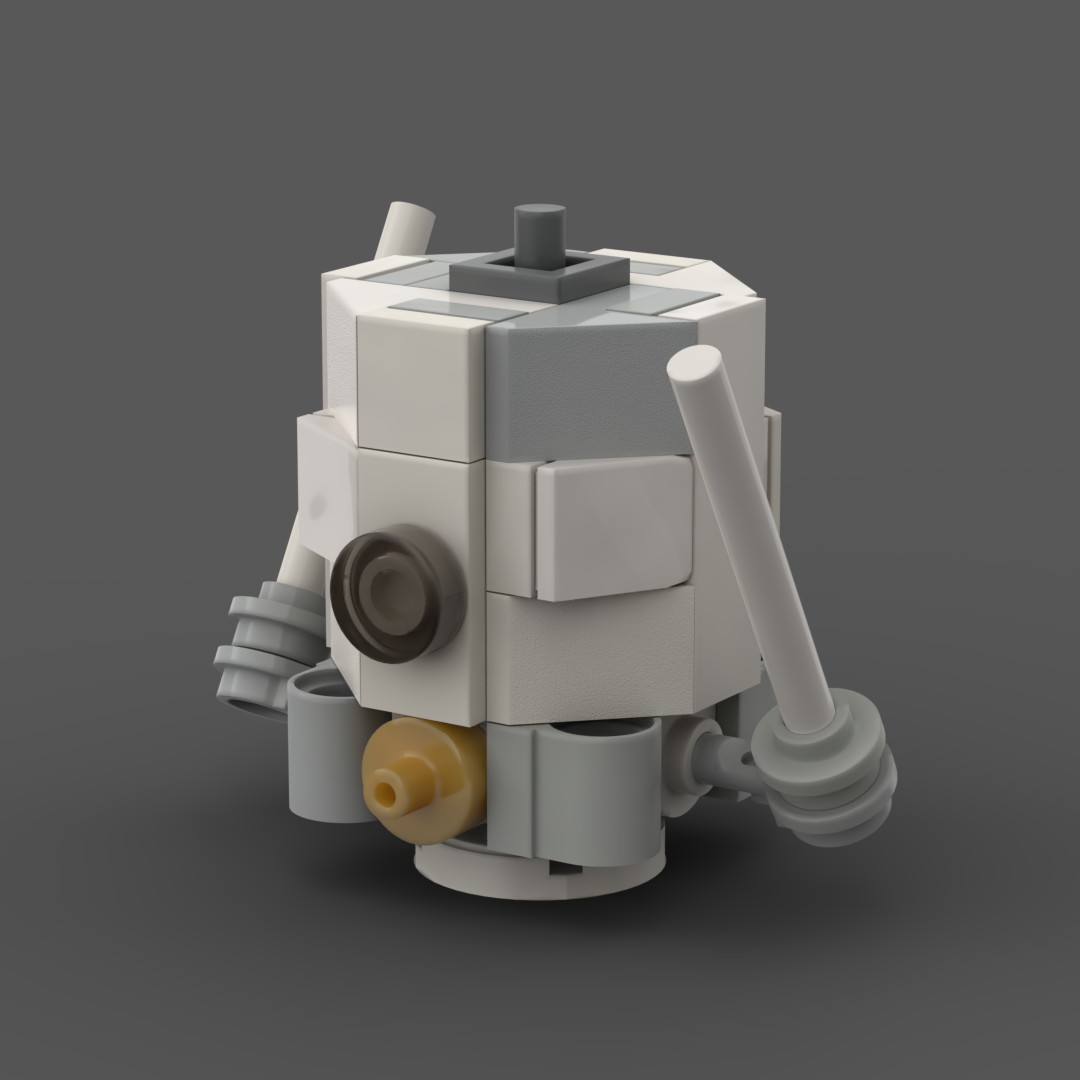
Pirs
S0 Truss
Mobile Transporter
Mobile Base System
S1 Truss
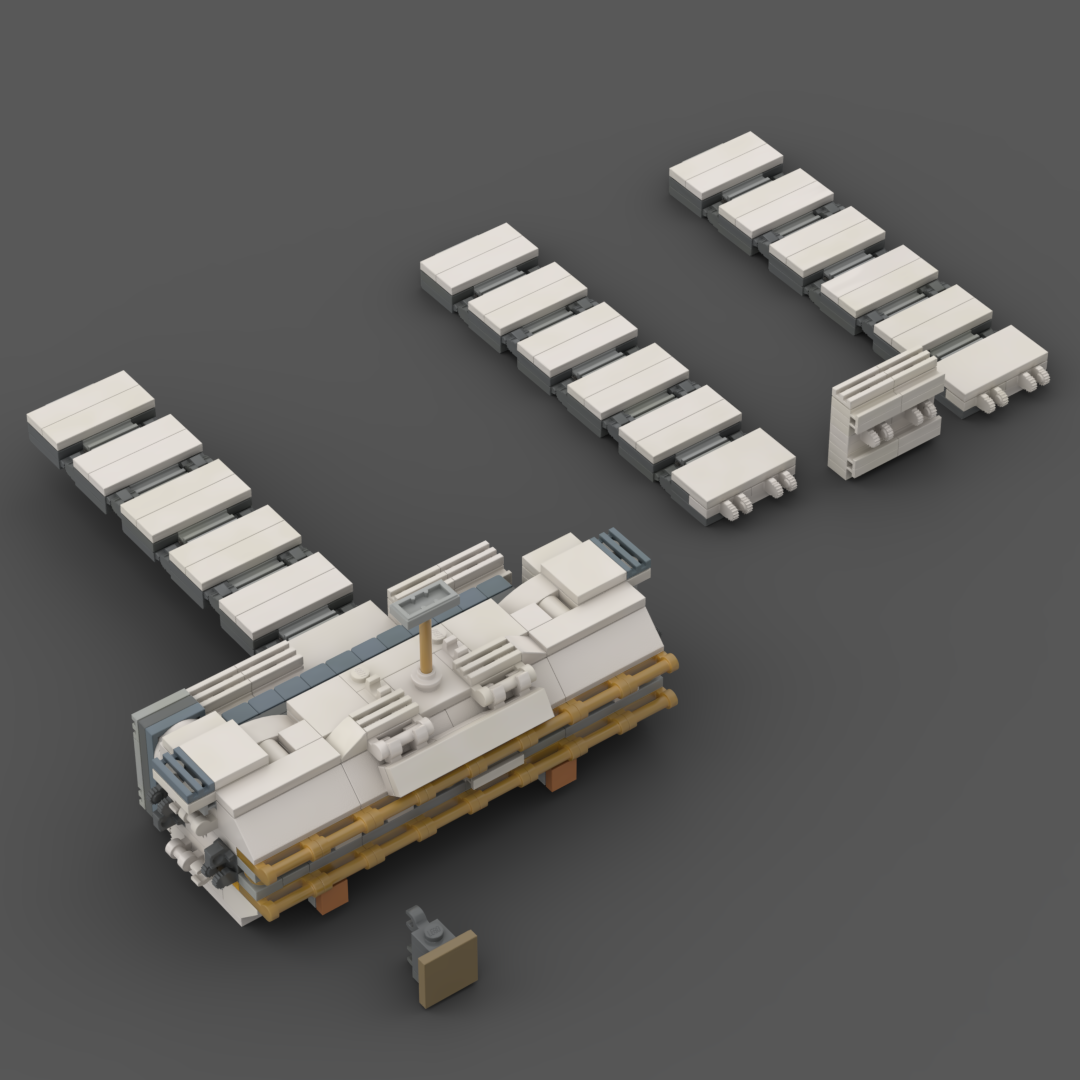
P1 Truss
Return to Flight: Through Columbia to Columbus
In July 2005, Discovery flew the return-to-flight mission STS-114, testing new inspection procedures including using cameras and a robotic arm to scan the orbiter’s belly for tile damage.
Assembly resumed cautiously. The truss continued to grow outward: P3/P4 in September 2006, S3/S4 in June 2007, each pair carrying additional solar array wings and the rotary joints that allowed them to track the Sun. The S3/S4 truss assembly was the heaviest station-bound module ever launched by the Shuttle. In October 2007, Harmony, Node 2, built by Thales Alenia Space in Turin, arrived, providing the attachment points for the two major international laboratories still to come.
Europe’s Columbus laboratory launched aboard Atlantis on STS-122 in February 2008, and four days later Canadarm2 removed it from the cargo bay and attached it to Harmony’s starboard berth. Columbus was ESA’s largest single contribution to the station, a cylindrical pressurised laboratory 6.9 metres long, accommodating ten payload racks with external experiment mounting platforms on its outer cone.
Ground control of Columbus passed to the Columbus Control Center at DLR Oberpfaffenhofen in Germany, meaning that for the first time, a European ground station was operating a permanently crewed space laboratory. The cost had been partly offset through a barter arrangement: ESA had agreed to provide NASA with the Harmony and Tranquility node modules in exchange for NASA launching Columbus to the station.
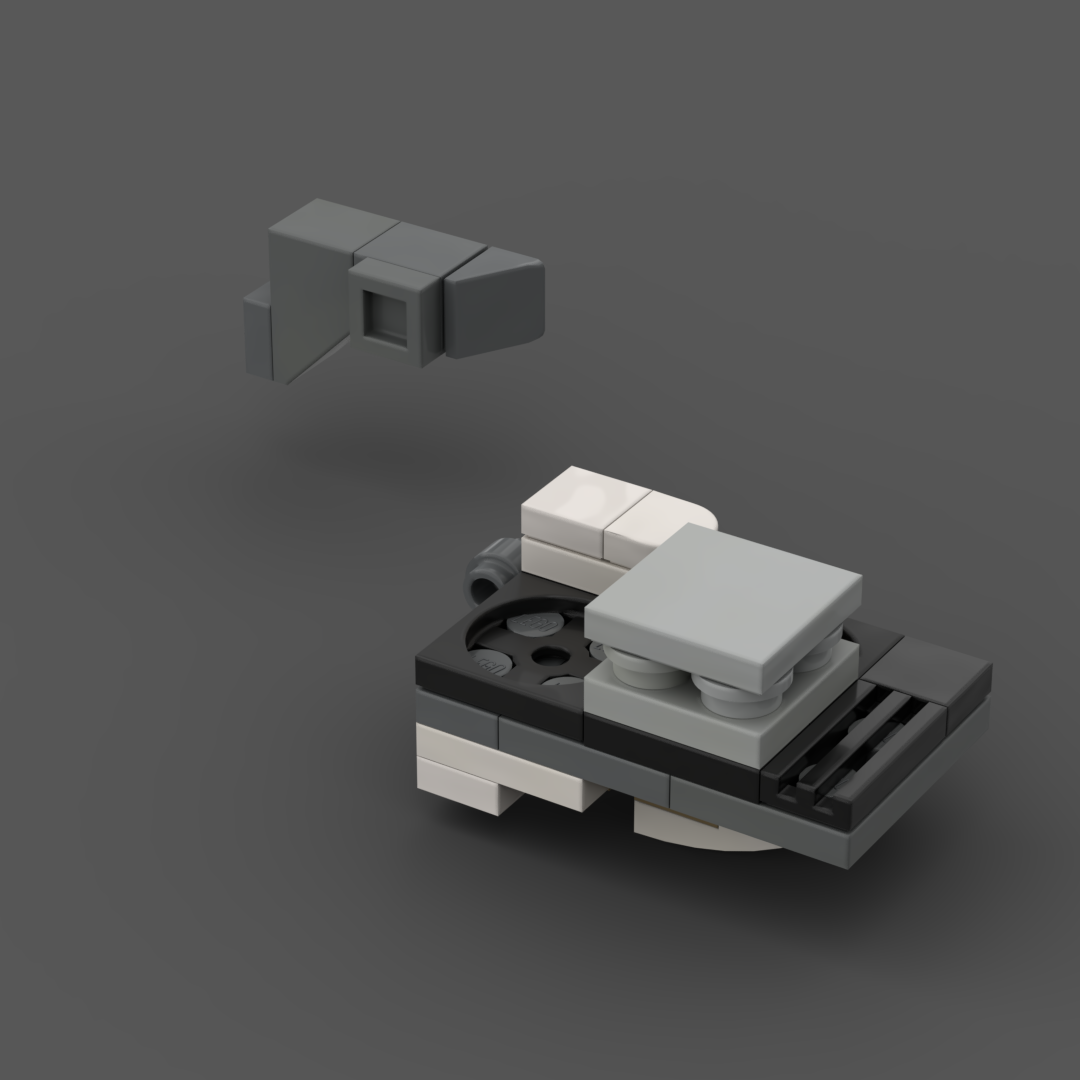
ESP2
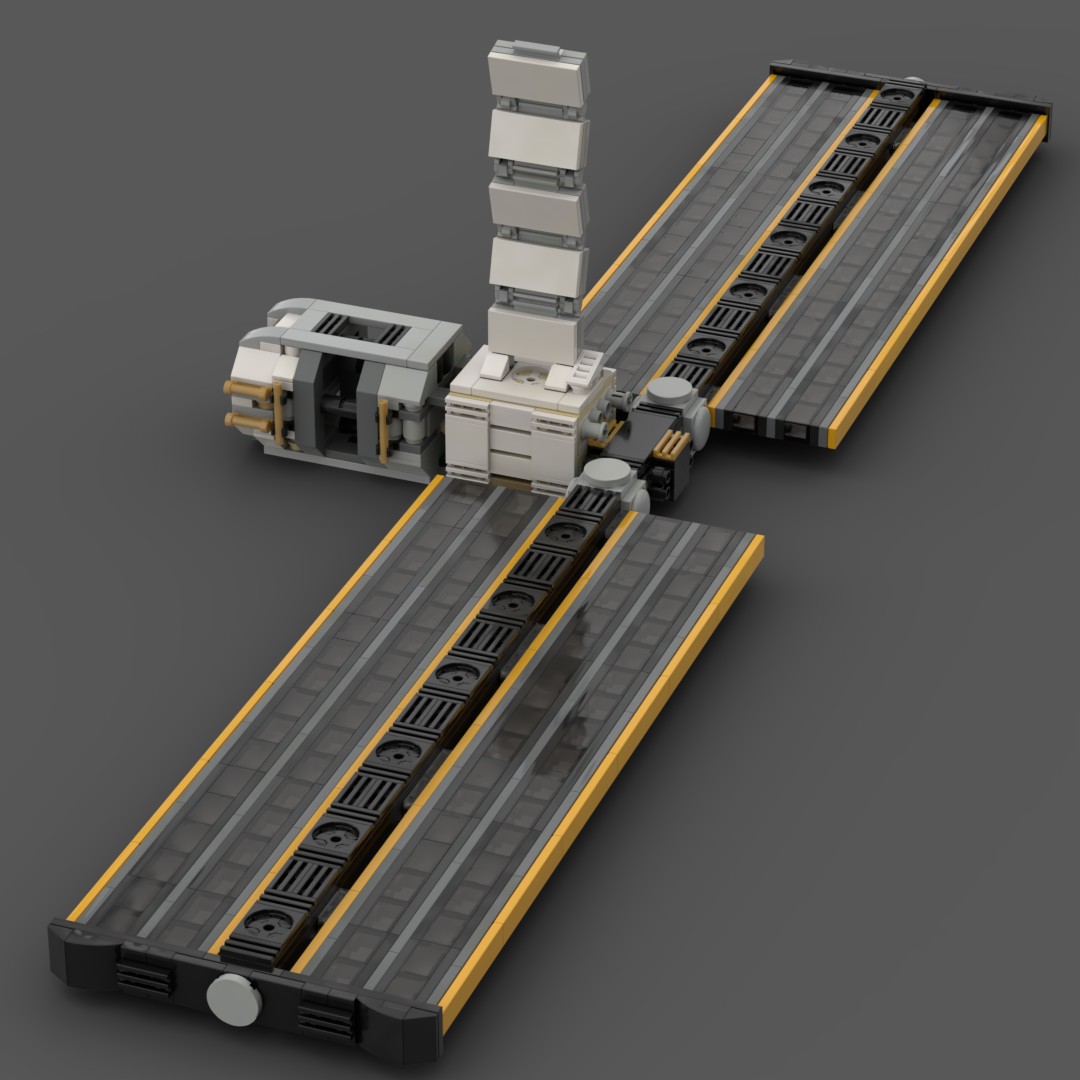
P3/P4 Truss
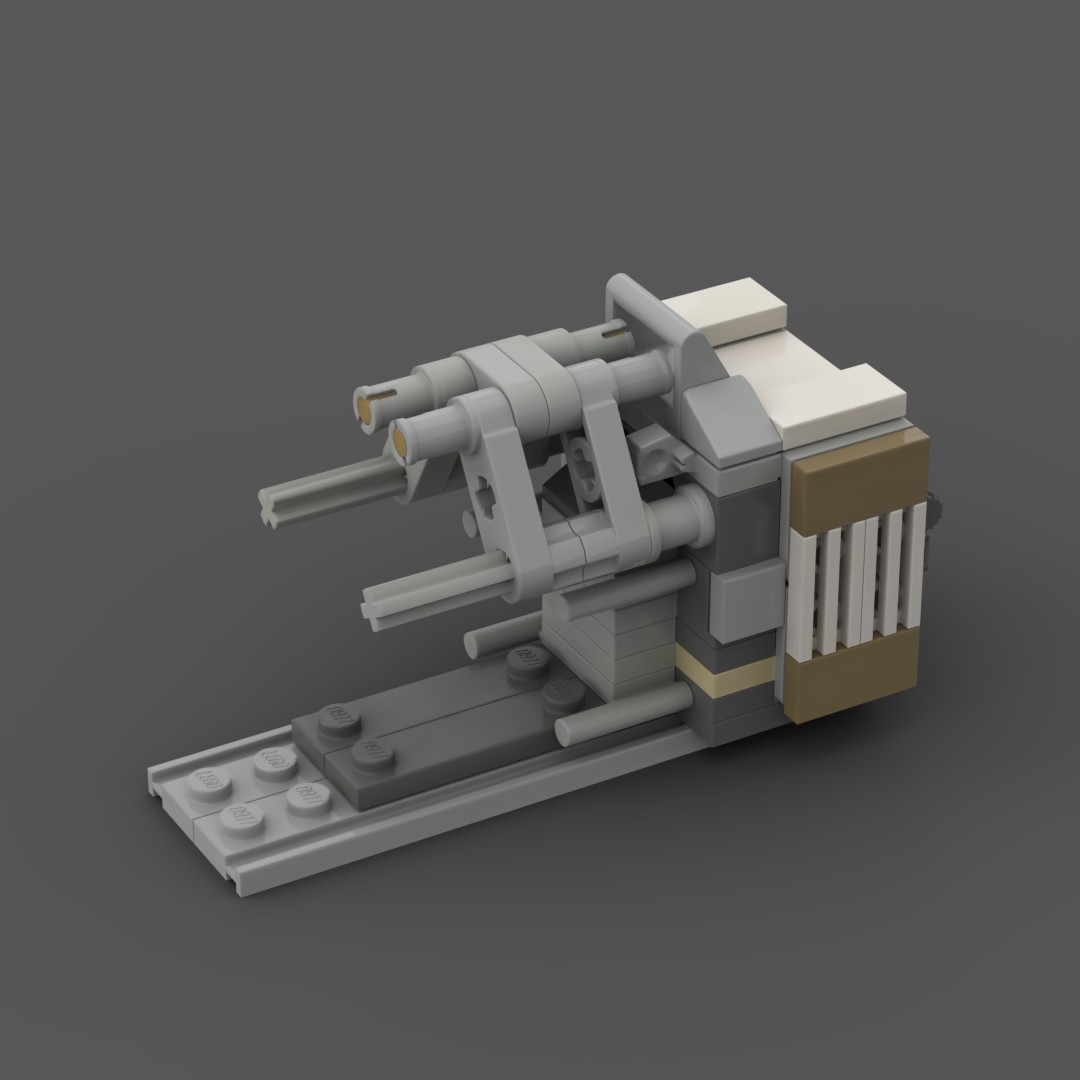
P5 Truss
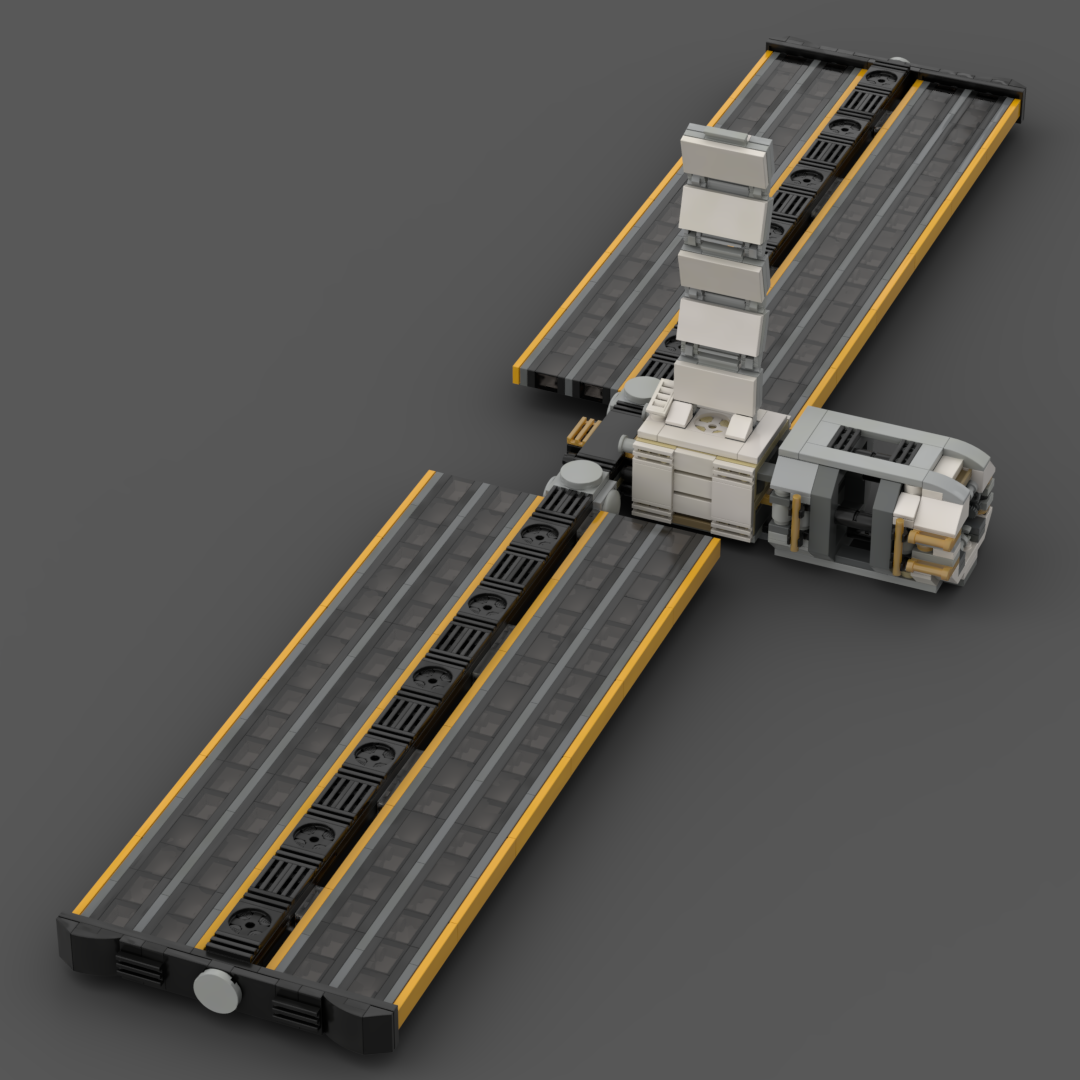
S3/S4 Truss
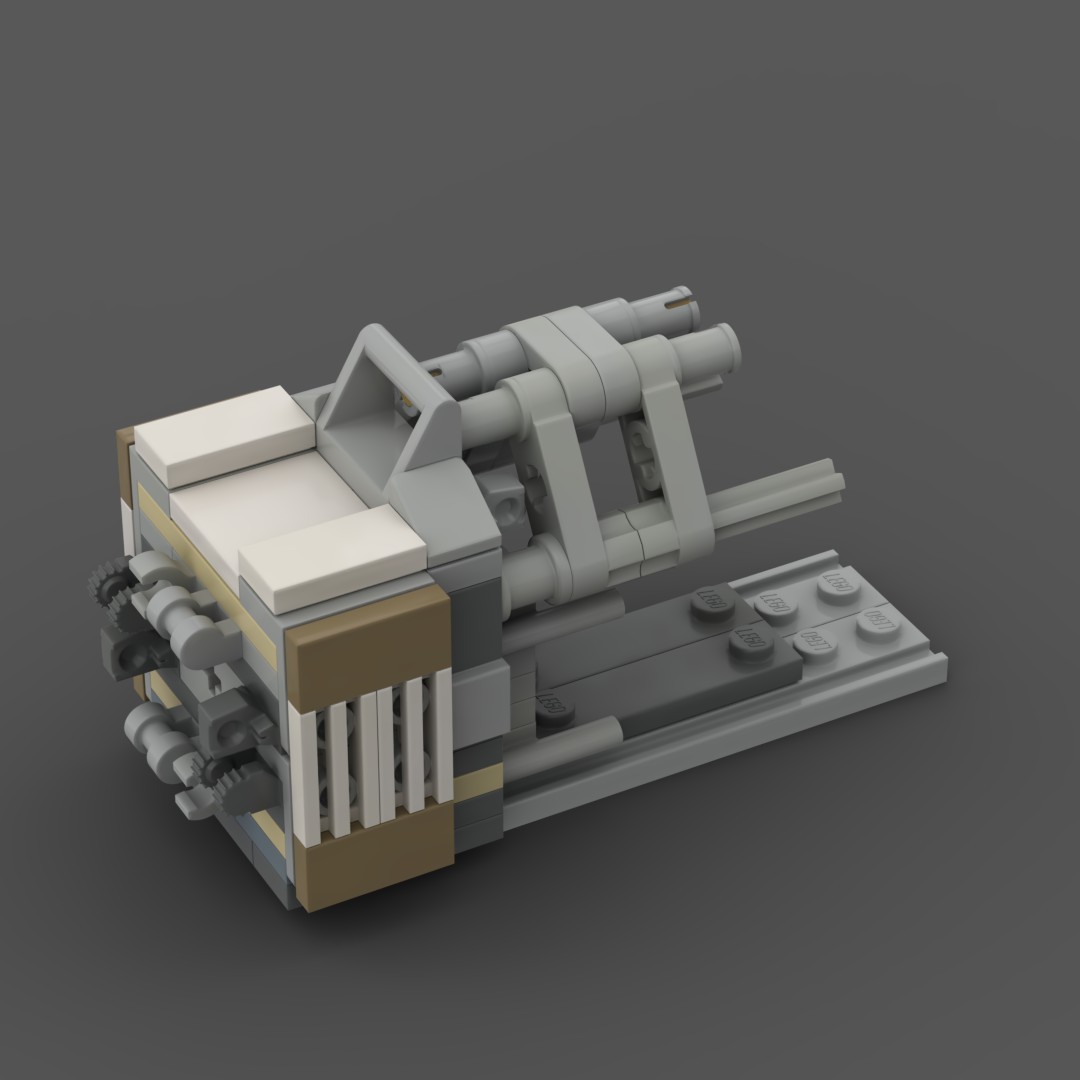
S5 Truss
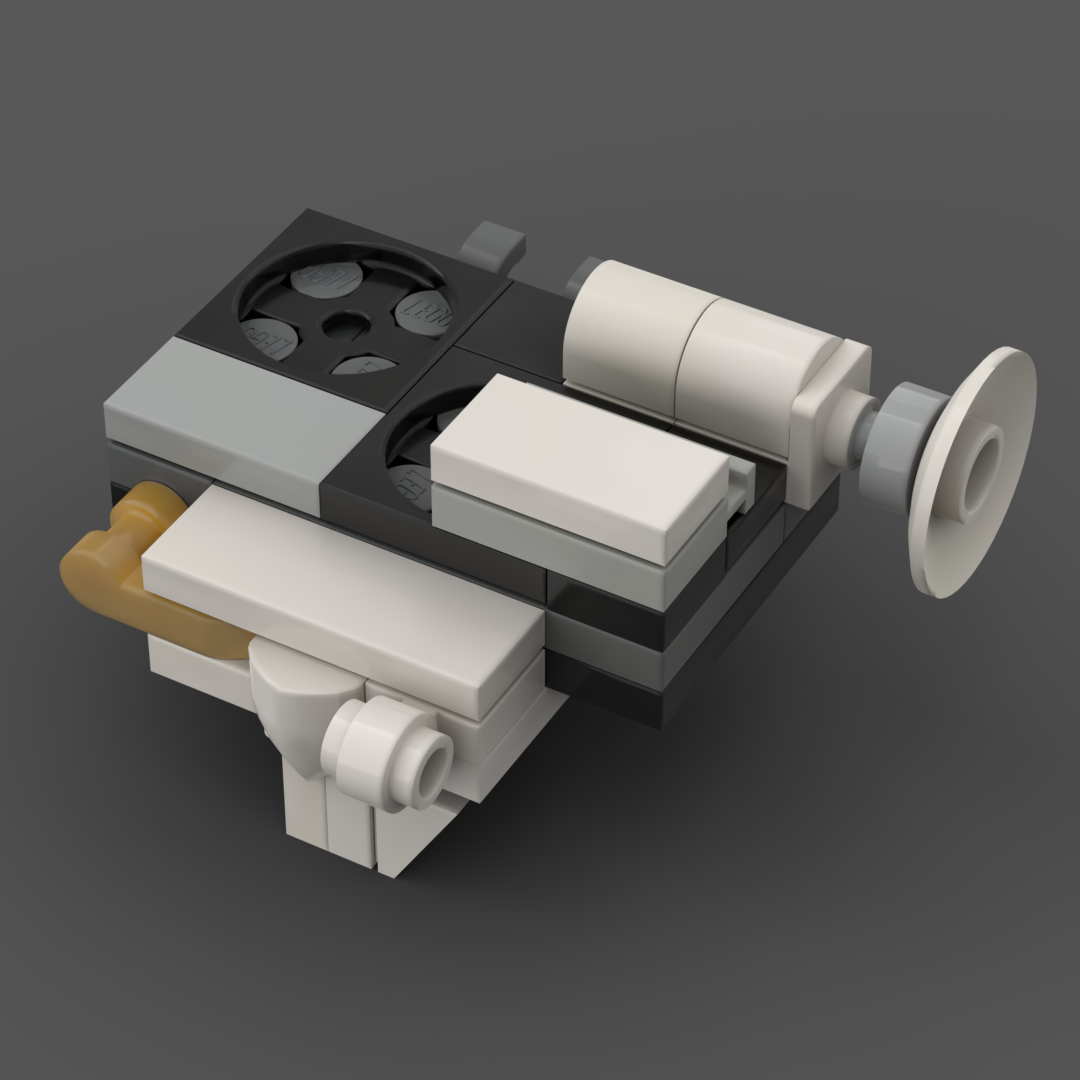
ESP3
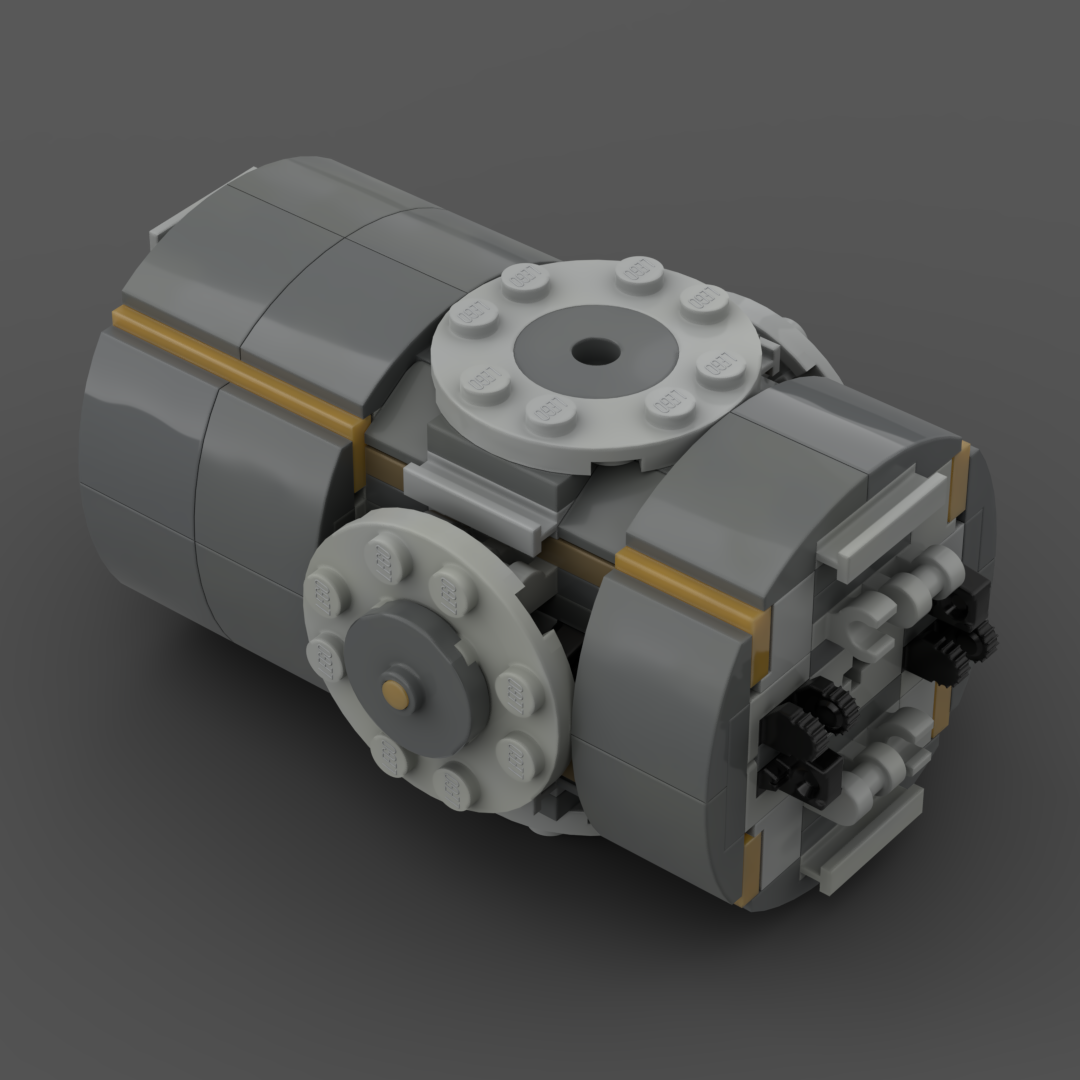
Harmony
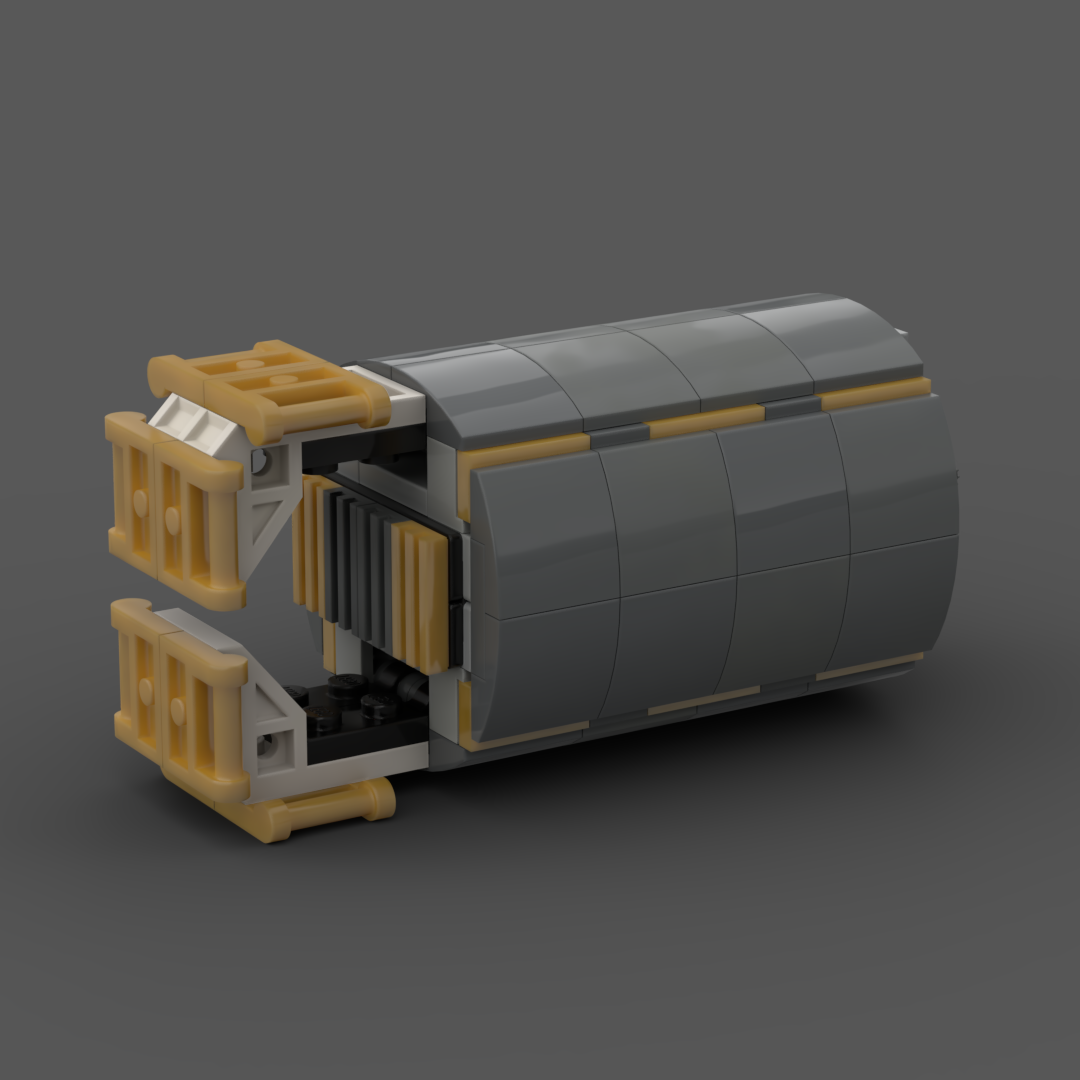
Columbus
Kibo and the Cupola: Assembly Complete
Japan’s contribution required three separate Shuttle flights across 2008 and 2009. The Kibo Experiment Logistics Module, a pressurised storage pod, arrived first on STS-123 in March 2008. The main Pressurised Module, at 11.2 metres the largest single module on the station, followed on STS-124 in June, along with Kibo’s robotic arm.
The Kibo Exposed Facility, an open external platform for experiments requiring direct exposure to space, completed the complex on STS-127 in July 2009. The final starboard truss segment, S6, arrived in March 2009, bringing the last pair of solar array wings and completing the integrated truss structure at its full span.
In February 2010, Endeavour delivered Node 3, named Tranquility, along with the Cupola, a seven-windowed observation module built by Thales Alenia Space in Turin. The Cupola was the largest window assembly ever launched into space, providing a 360-degree view for Earth observation, robotic operations, and monitoring docking vehicles.
Tranquility became the heart of the station’s life support, housing equipment for oxygen generation, carbon dioxide removal, and water recycling, as well as an additional toilet and exercise equipment for the expanded crew. The non-Russian segment was now structurally complete.
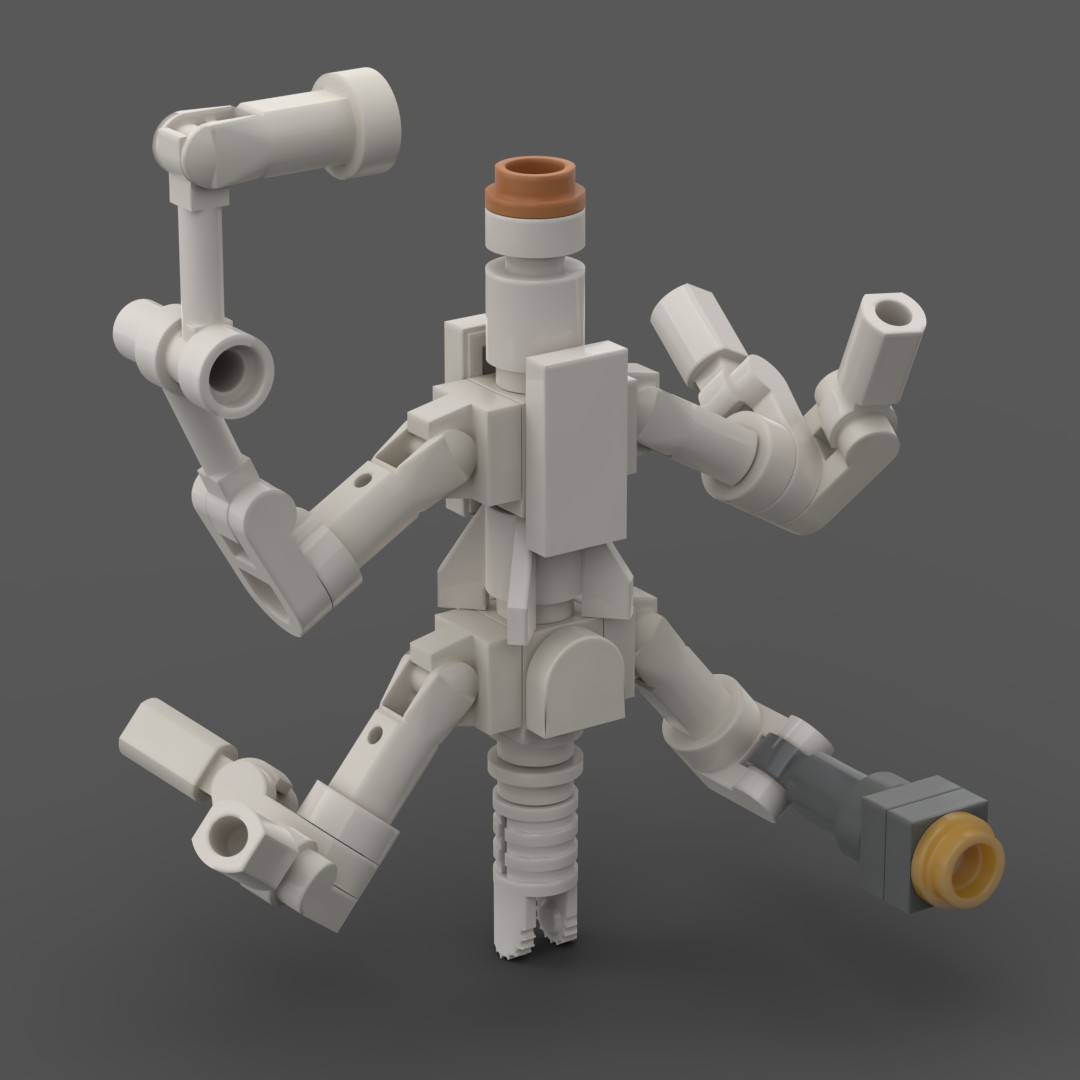
Dextre
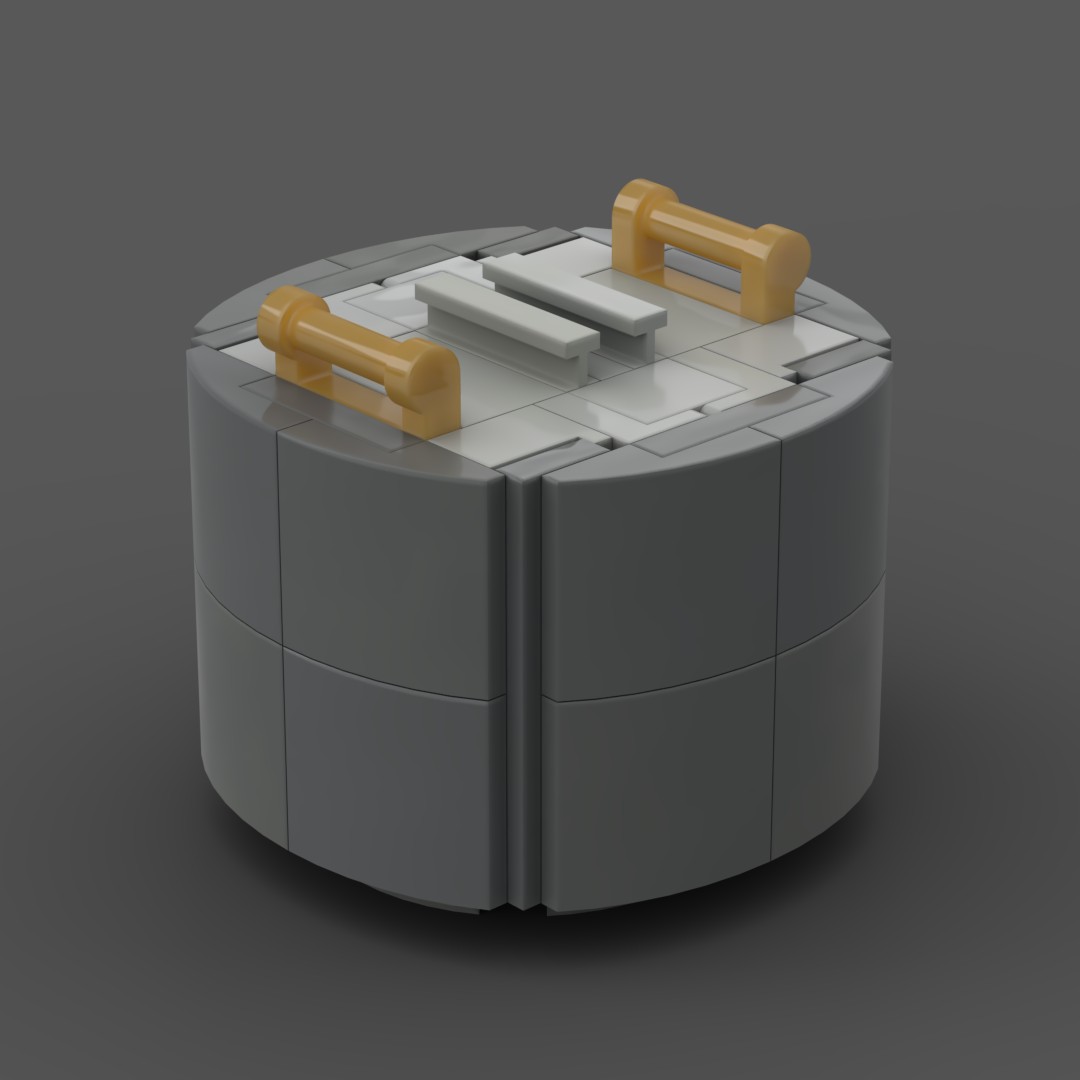
Kibo ELM PS
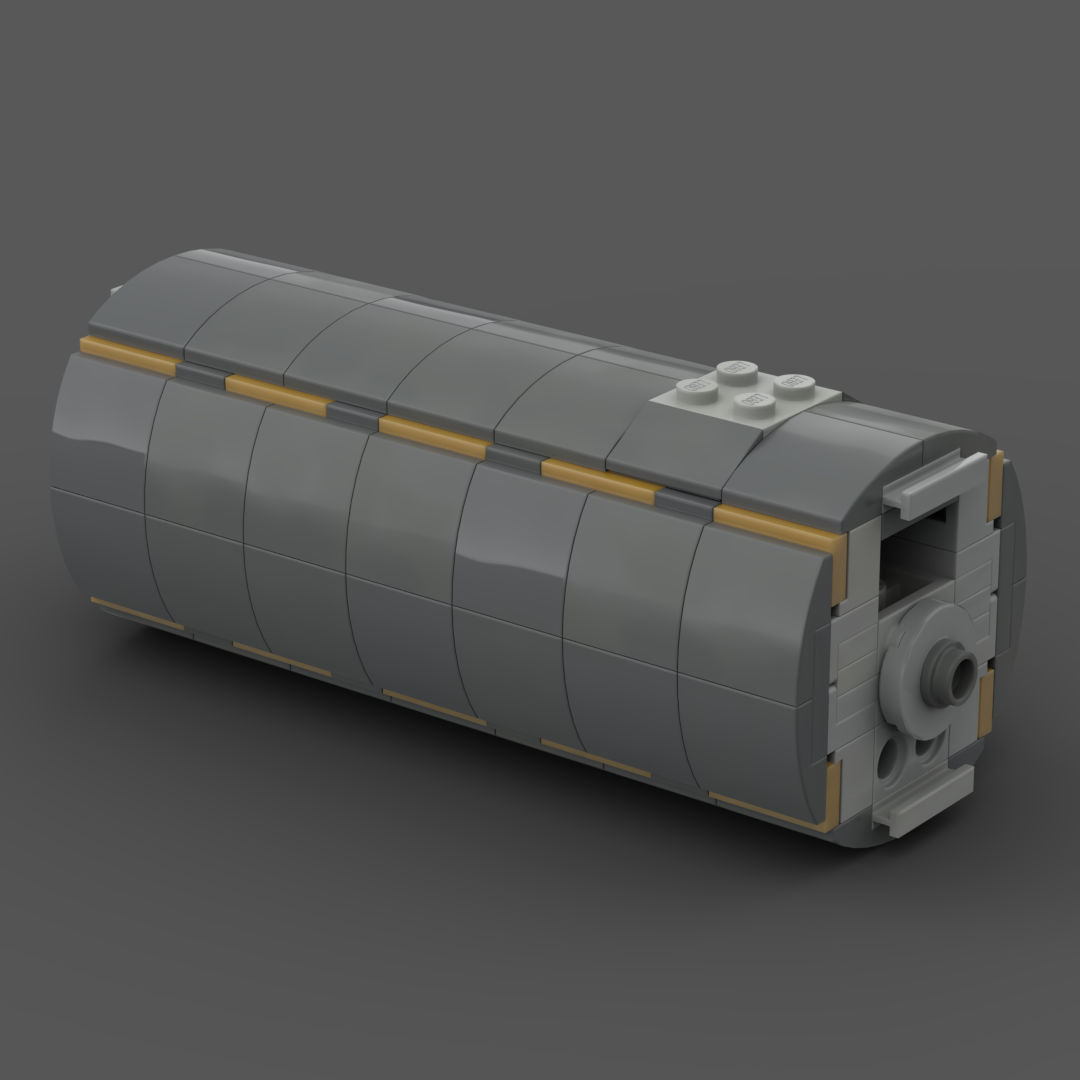
JEM PM
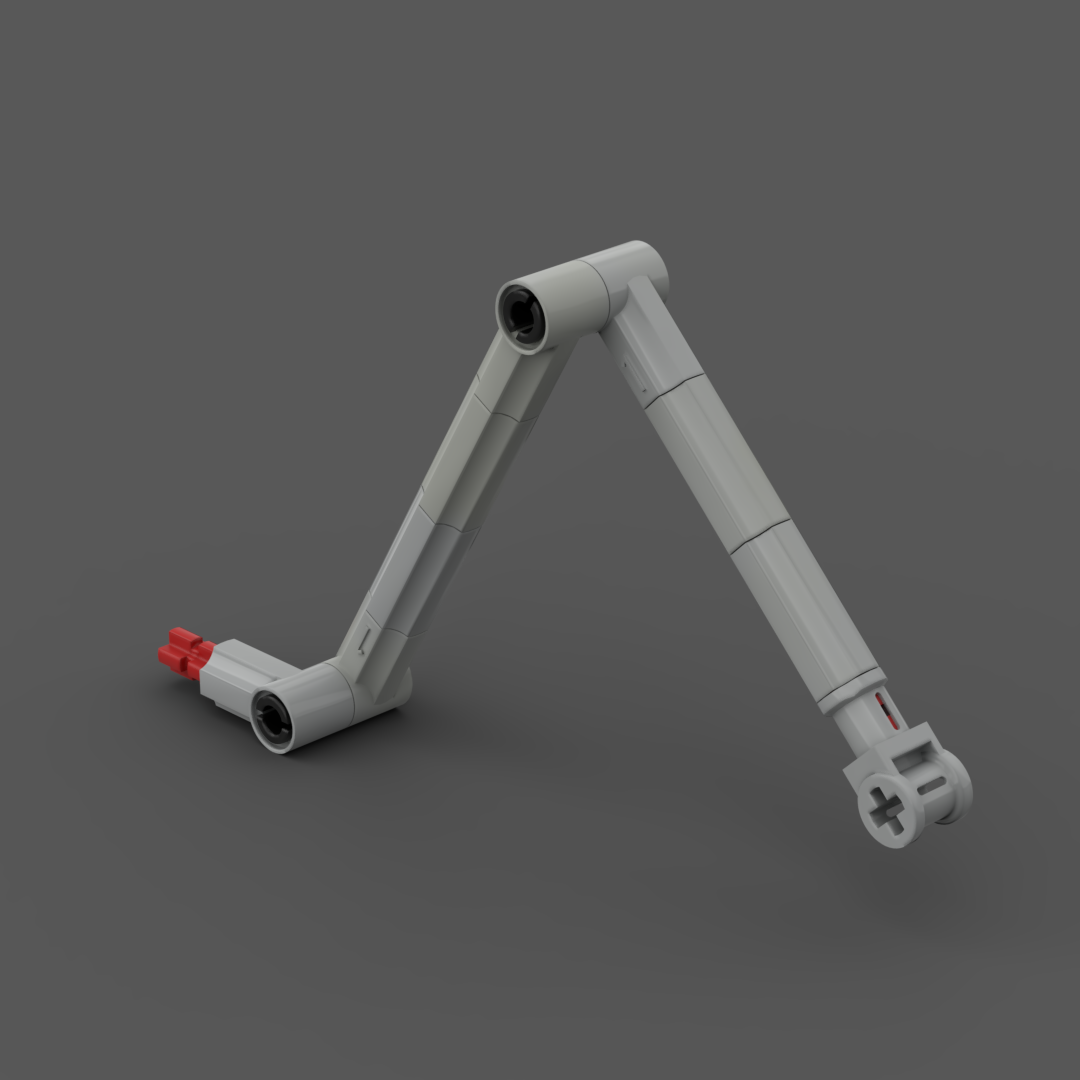
JEM RMS
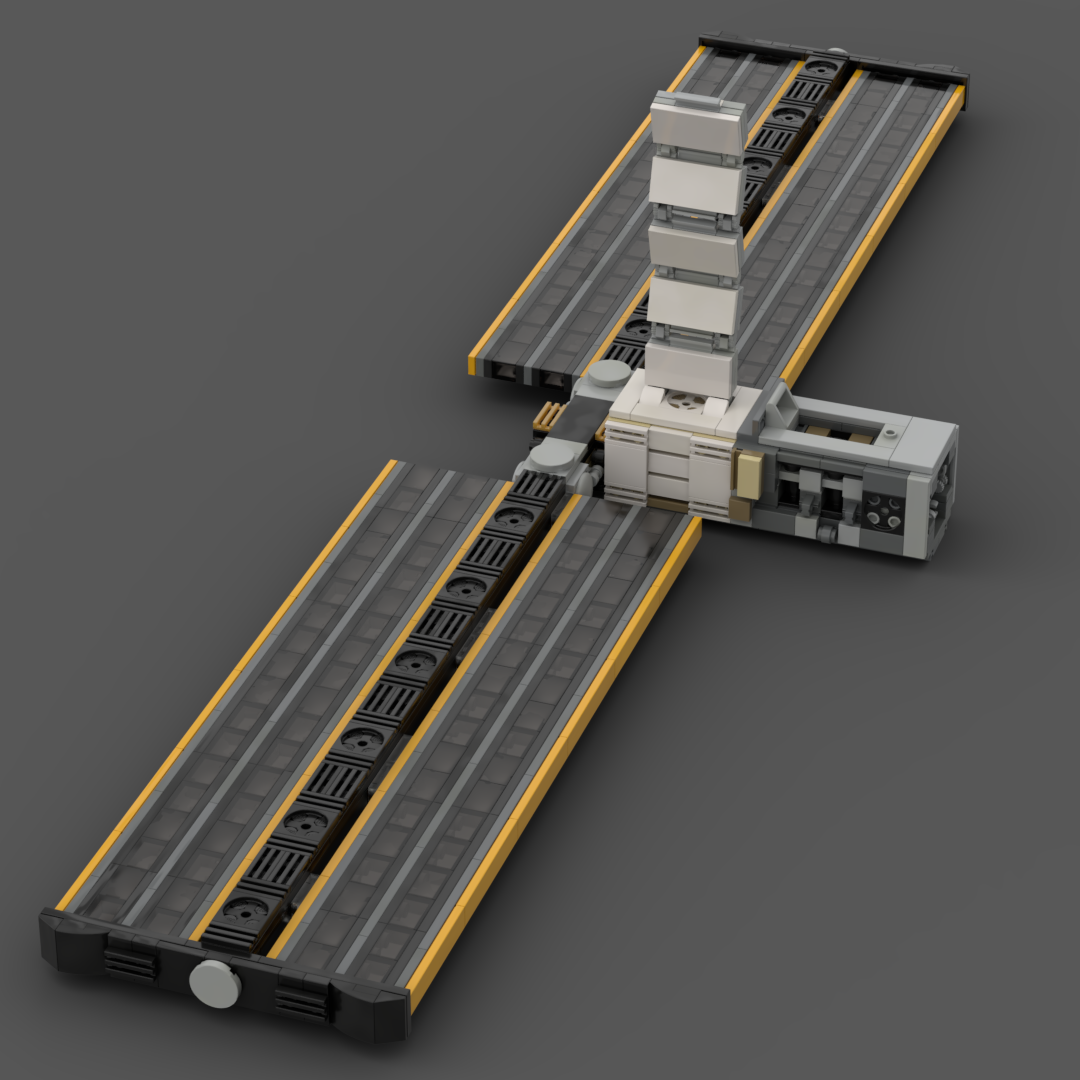
S6 Truss
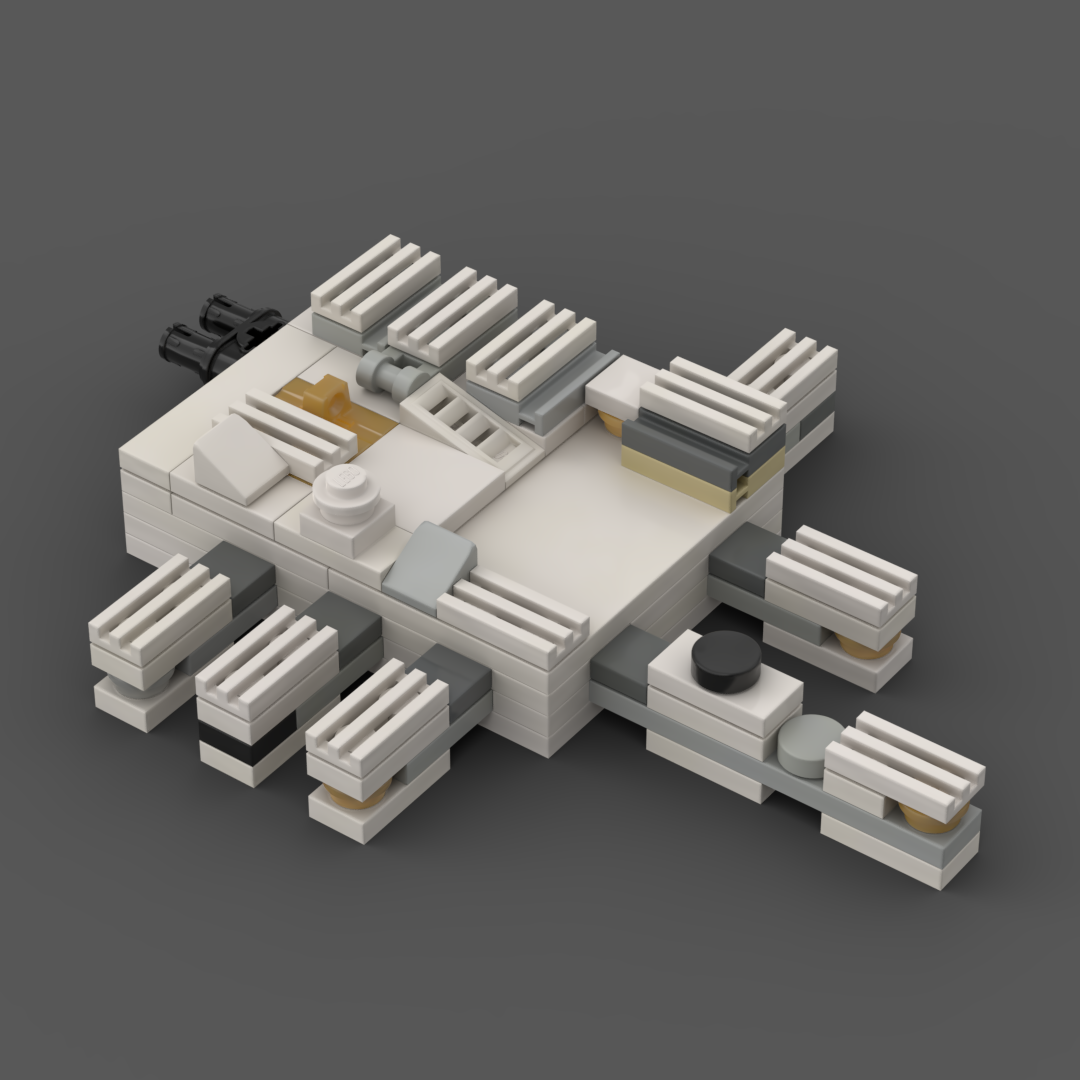
JEM EF
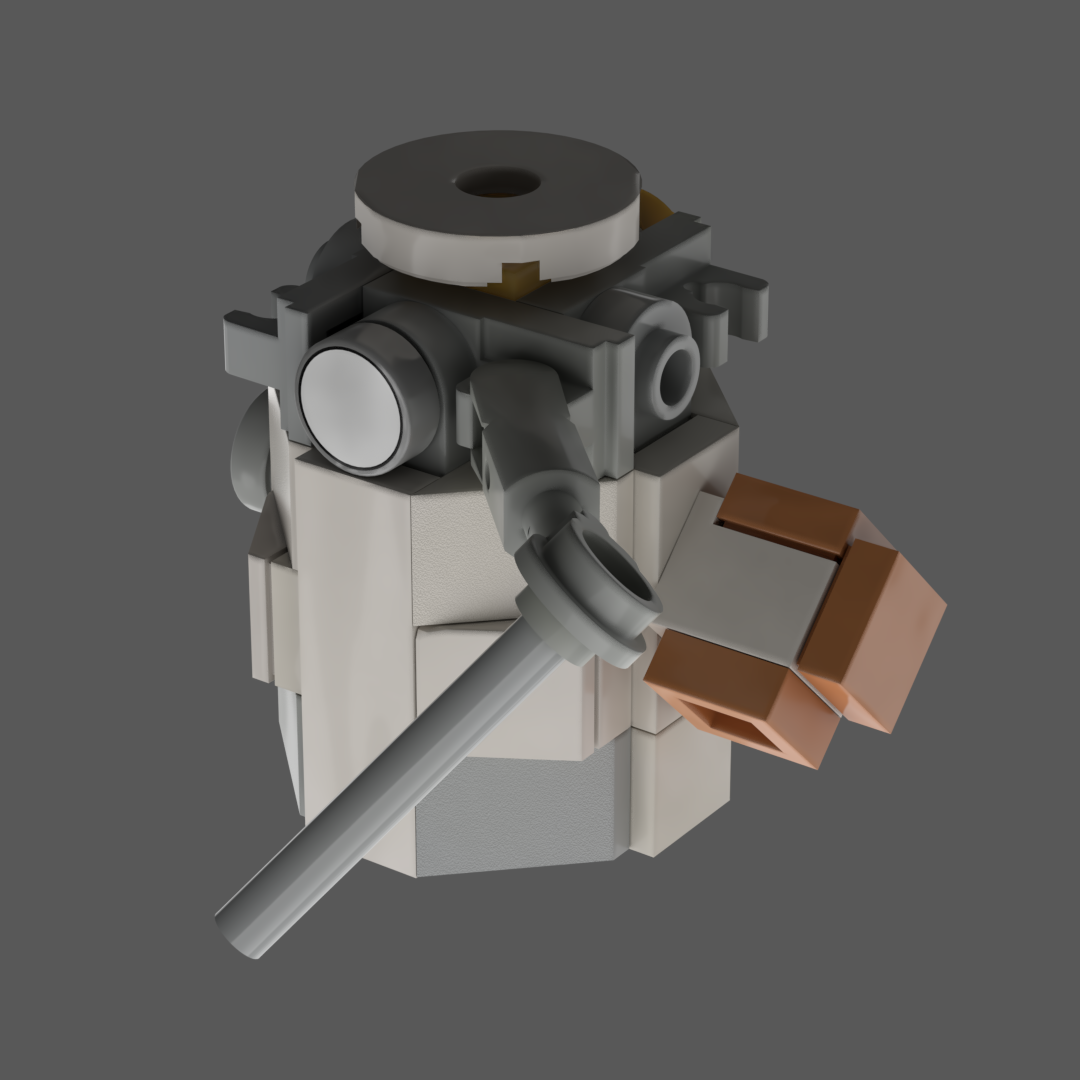
Poisk
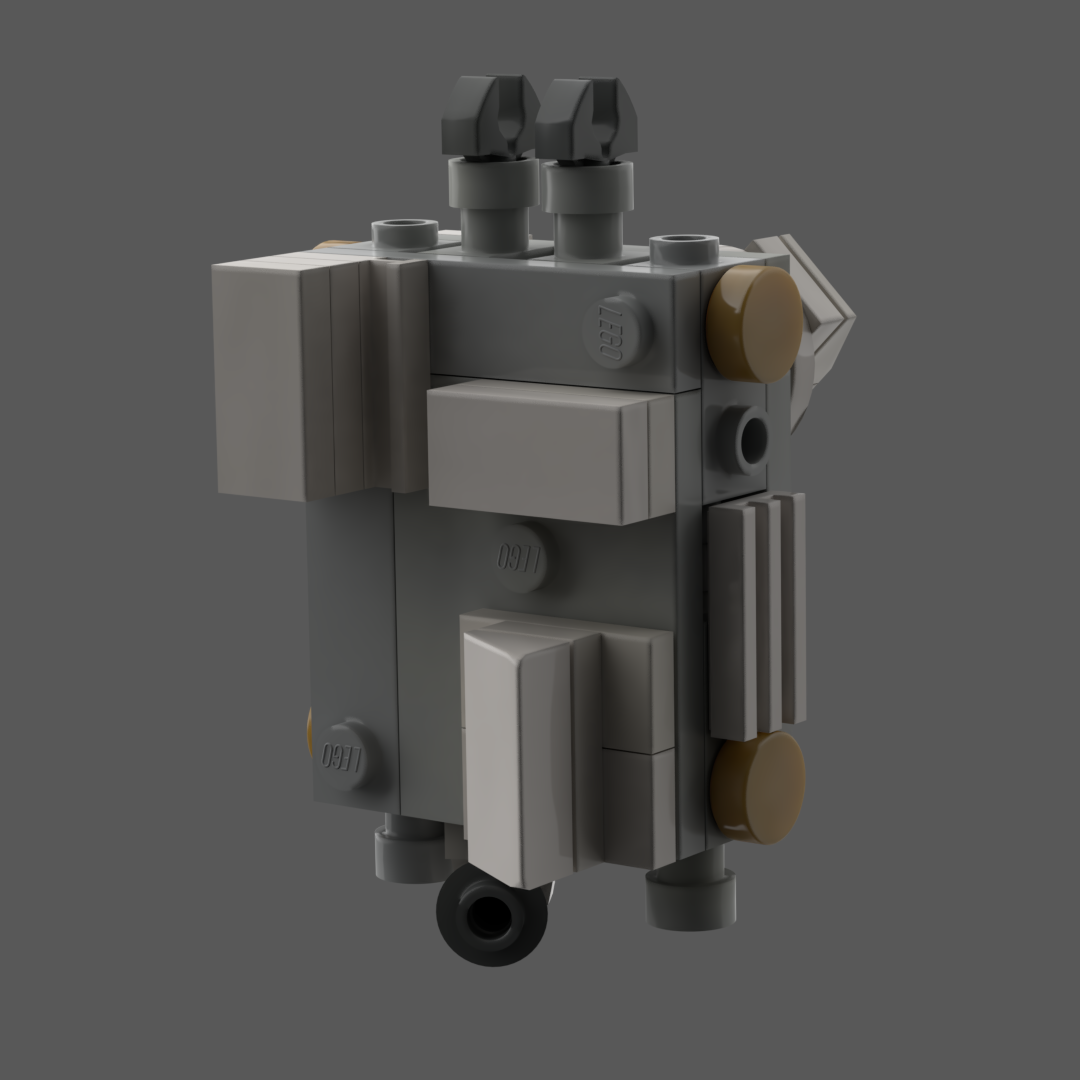
ELC-1
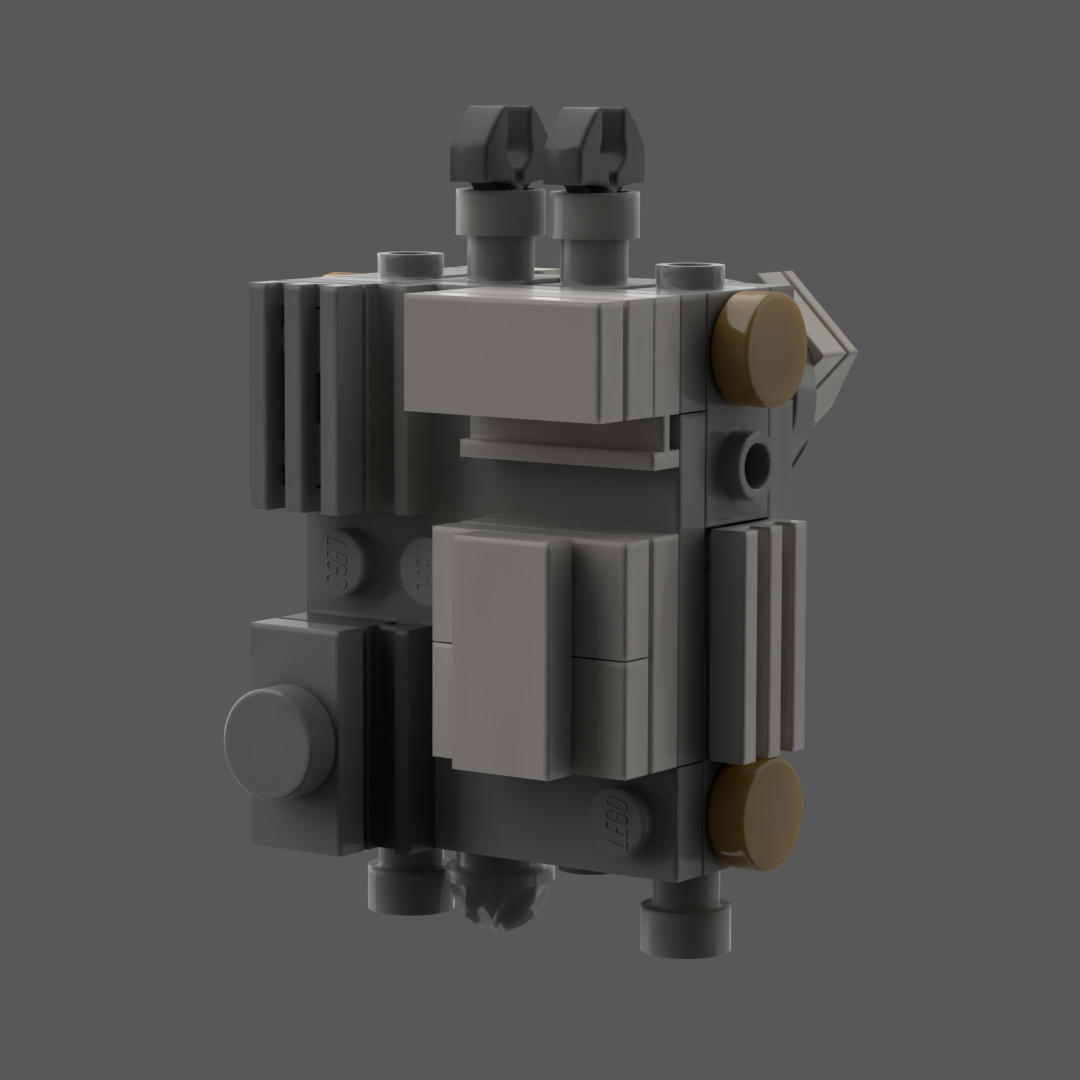
ELC-2
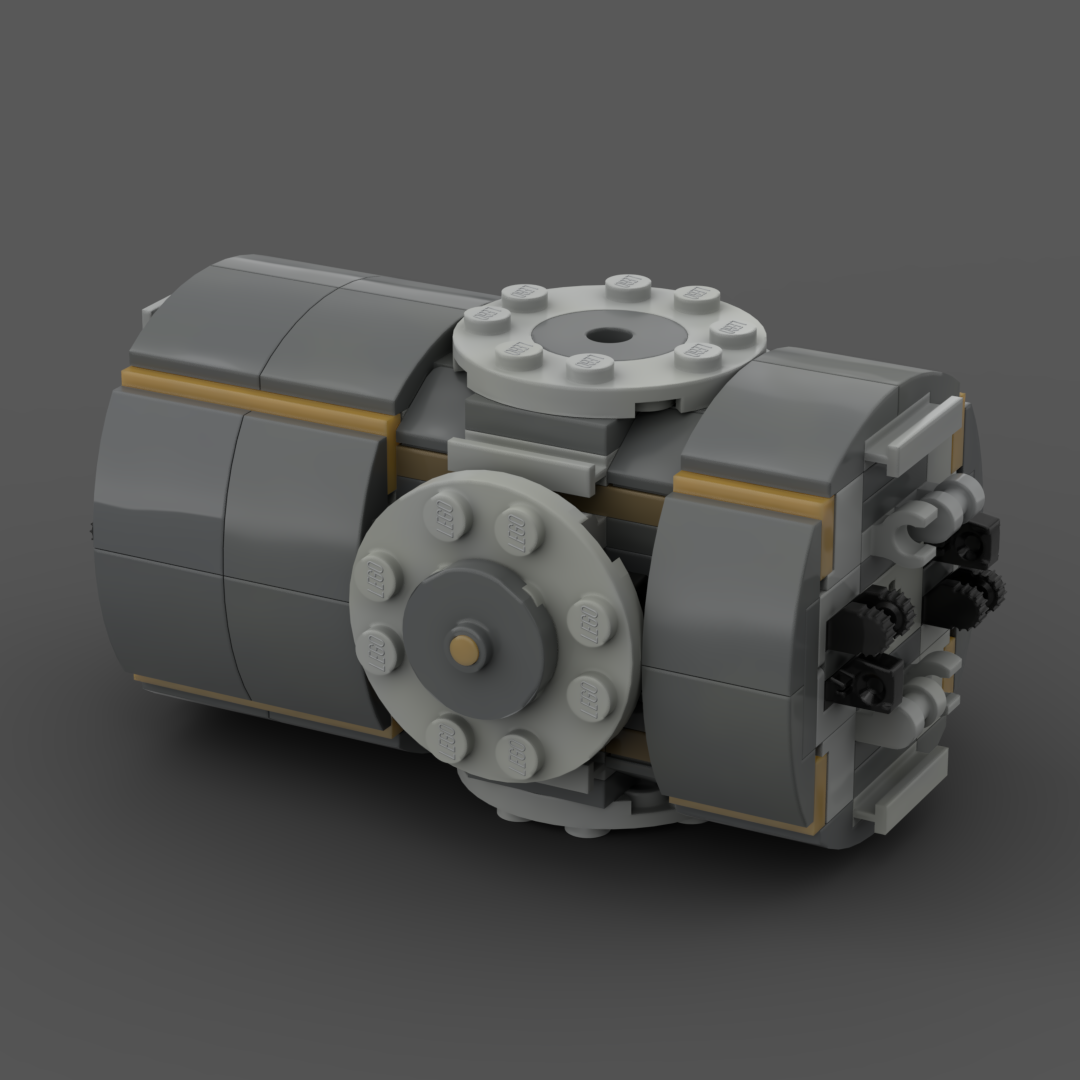
Tranquility
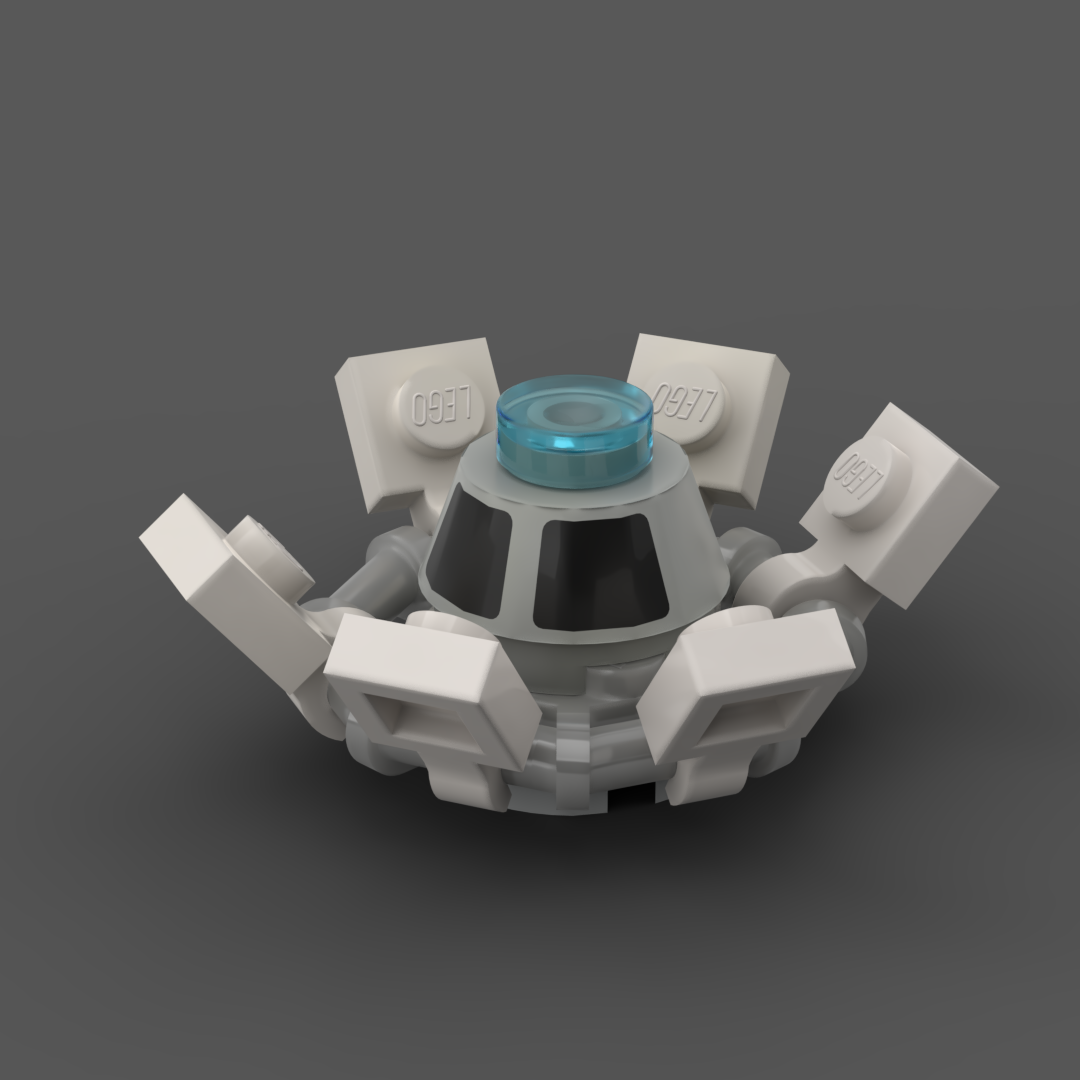
Cupola
Nauka and the iROSAs: The Long Tail of Assembly
Assembly was declared complete in 2011 following the installation of the Alpha Magnetic Spectrometer on the final Shuttle mission, but the station was never truly finished. Russia’s contributions to the science segment remained incomplete for another decade. The Nauka Multipurpose Laboratory Module had been planned for launch in 2007. Contamination found in its propellant lines during manufacturing required the entire fuel system to be rebuilt. Components were repaired, retested, and recertified across a succession of postponements spanning fourteen years.
Nauka finally launched on 21 July 2021 and docked to Zvezda’s nadir port on 29 July, the port vacated when Pirs was deorbited to make room for it. The docking appeared to go smoothly. Then, three hours later, Nauka’s thrusters fired unexpectedly, spinning the station one and a half revolutions, approximately 540 degrees, before coming to a stop inverted. It took 45 minutes for controllers in Houston and Moscow to regain attitude control, counter-firing thrusters on Zvezda and a docked Progress vehicle. Flight director Zebulon Scoville declared a spacecraft emergency, the first in ISS history. Roscosmos attributed the incident to a software fault that issued a direct command to the module’s engines. The station was undamaged. Nauka subsequently required eleven spacewalks to fully outfit.
The station’s original solar arrays, installed between 2000 and 2009, had been designed for a fifteen-year service life. By the early 2020s they were generating significantly less power than their rated capacity. Radiation in low Earth orbit had degraded the original arrays from their design output of 240 kilowatts to approximately 160 kilowatts.
The solution was the iROSA, ISS Roll-Out Solar Array, a flexible, rollable design developed by Redwire that could be installed directly over the existing arrays without removing them. Six iROSAs were installed between 2021 and 2023 across fifteen spacewalks, supplementing the degraded original panels. A seventh and eighth pair remained planned. The station that had taken twelve years to assemble would, it turned out, require continuous modification simply to remain what it had always been.
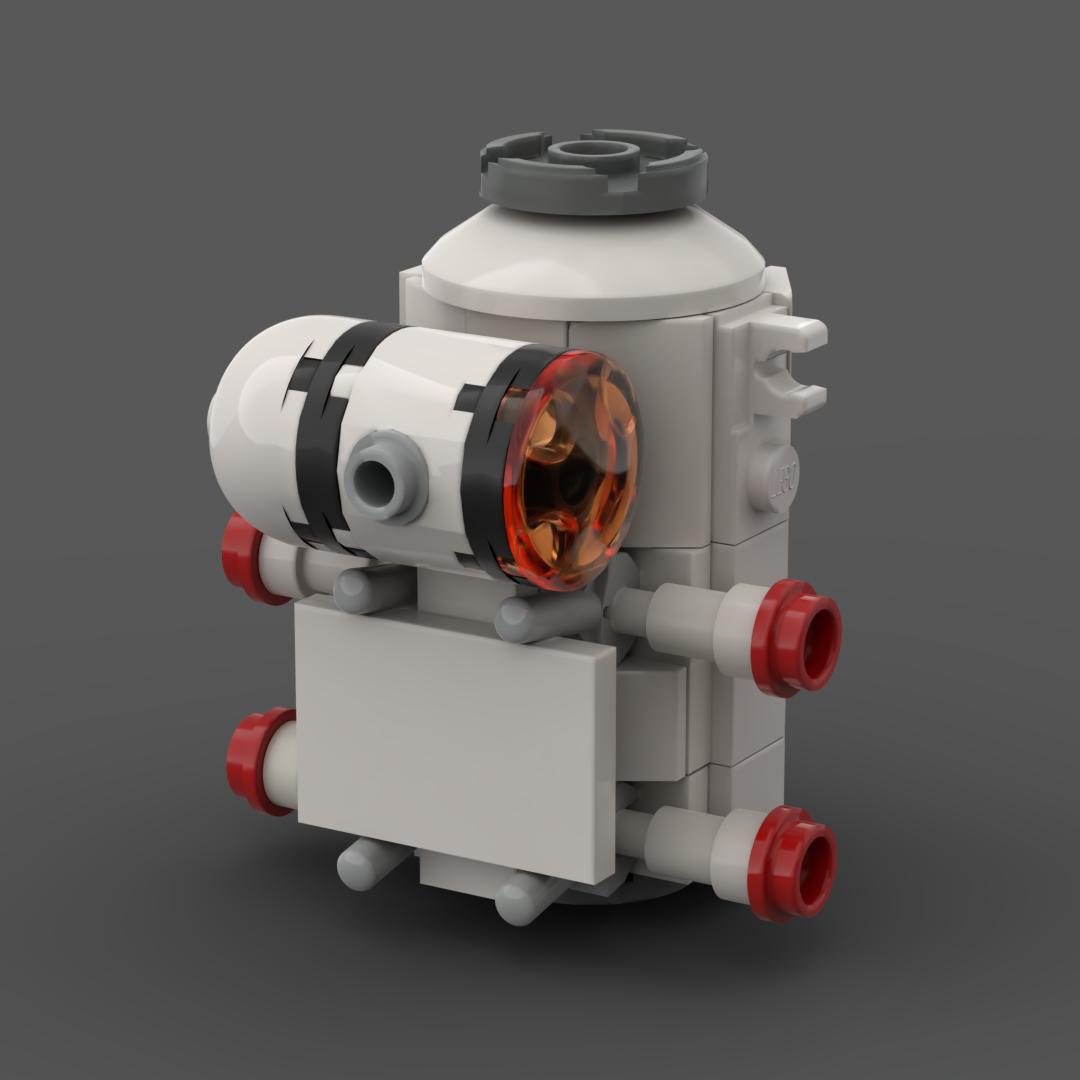
Rassvet
Rassvet
model by Dan Fallon (phreaddee) William Moore (WillM)
More details > View on Rebrickable > View on >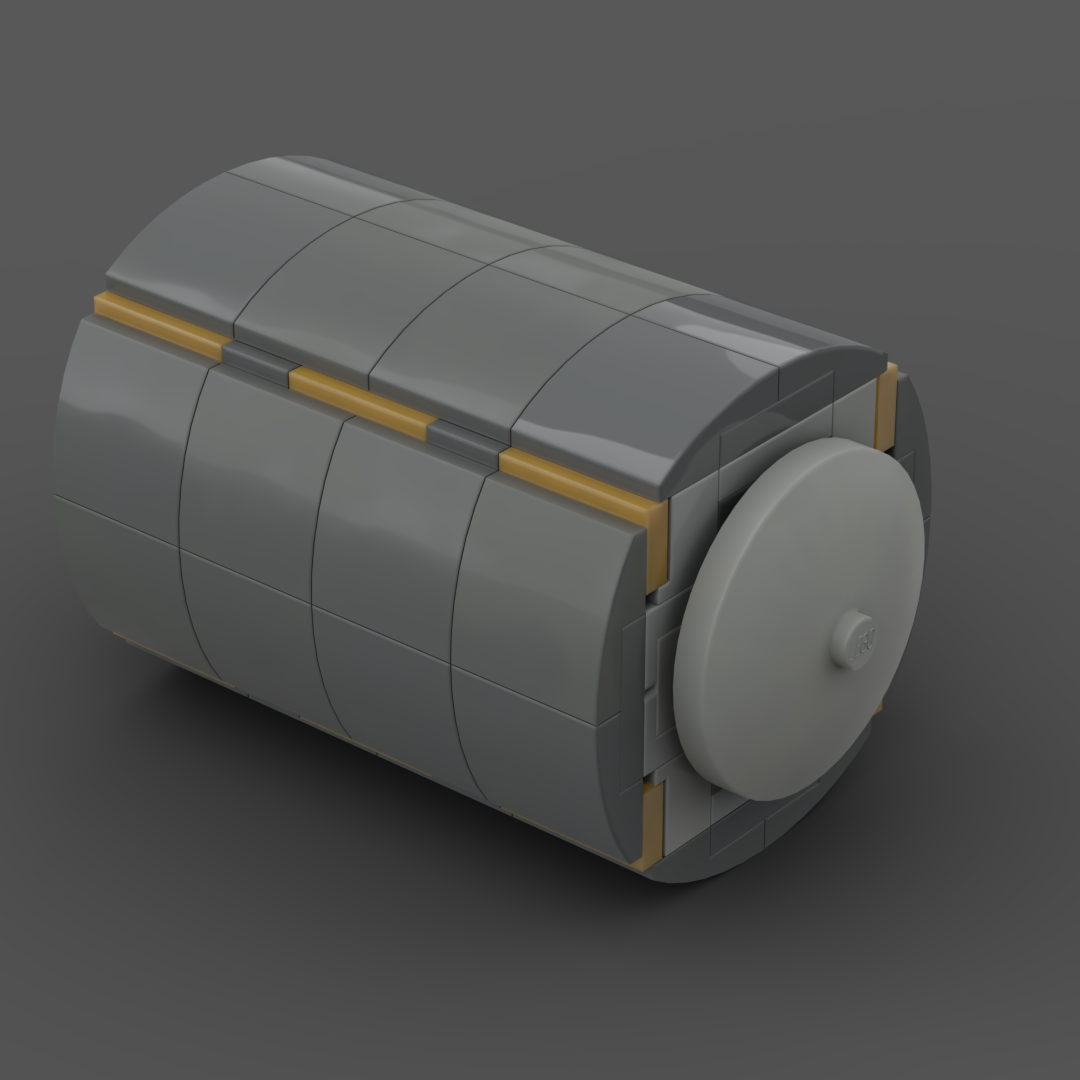
Leonardo
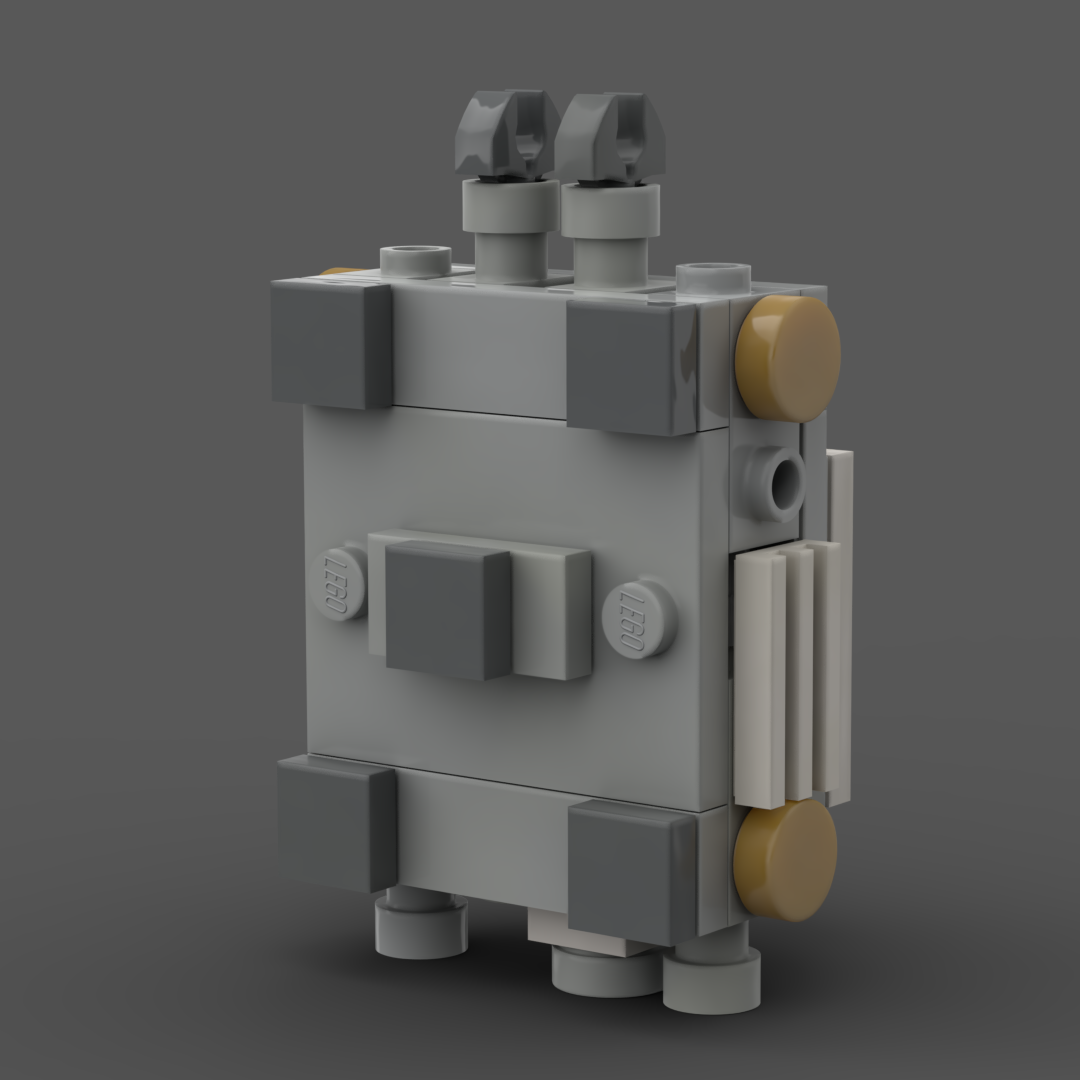
ELC-4
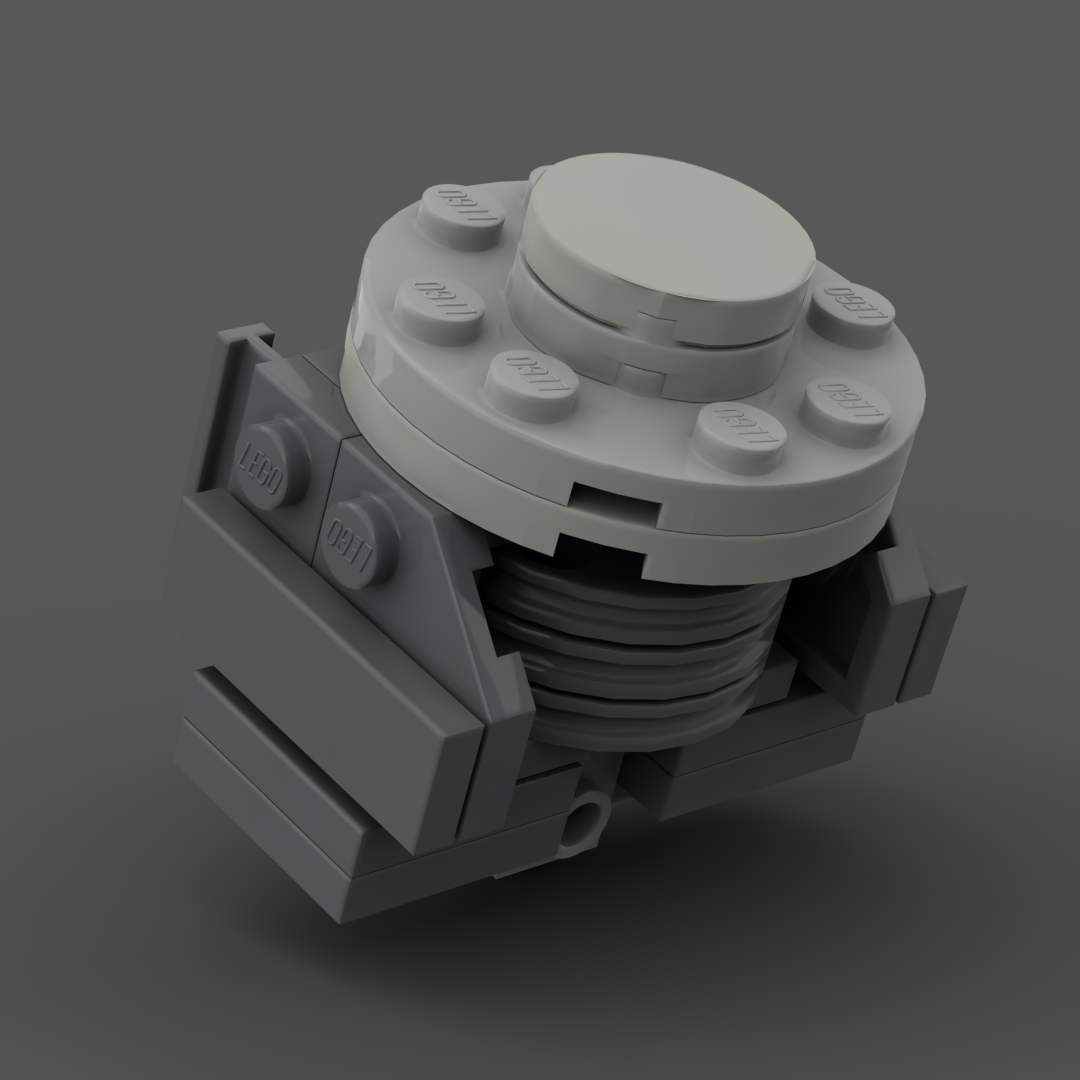
AMS
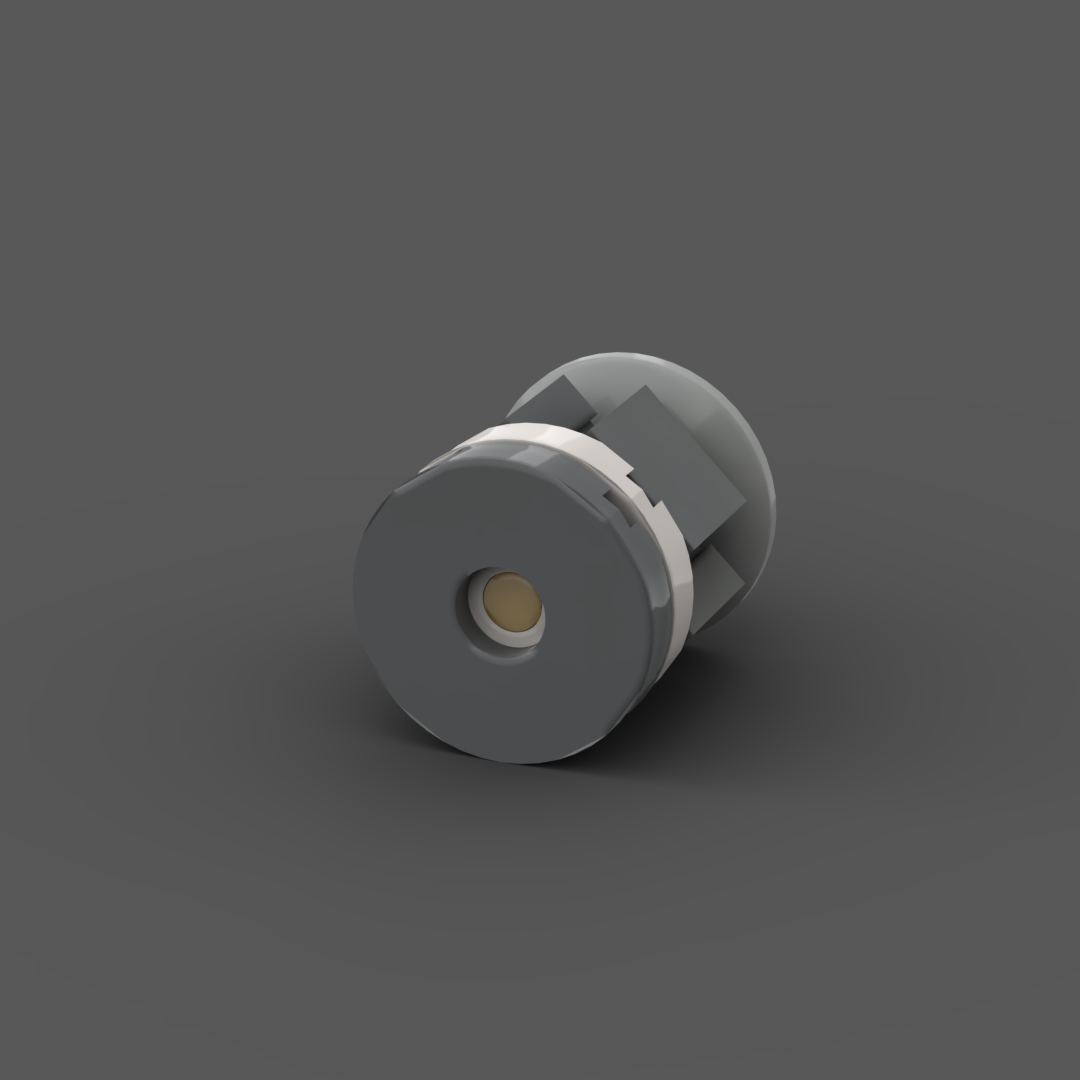
IDA2 / IDA3
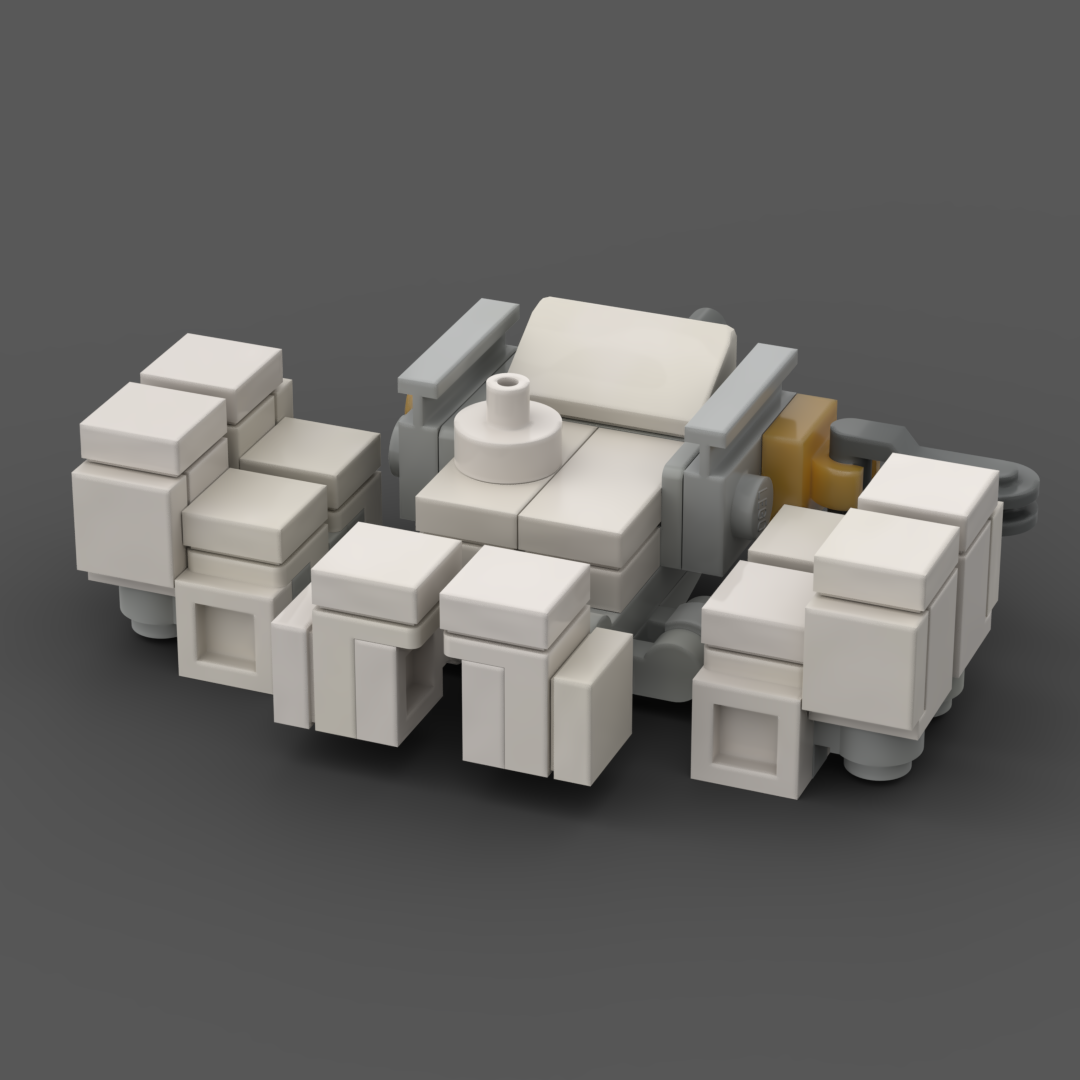
Bartolemeo
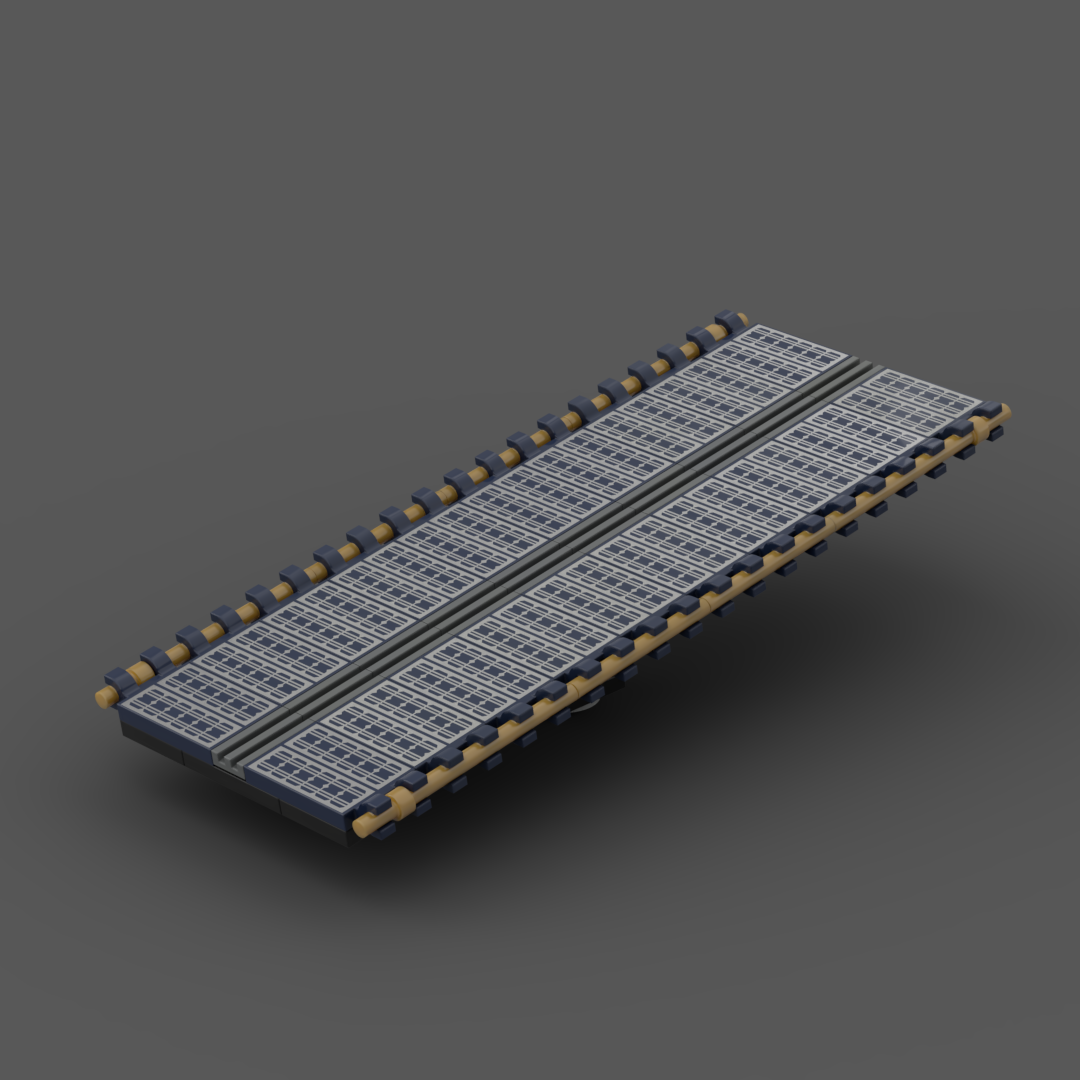
iROSA
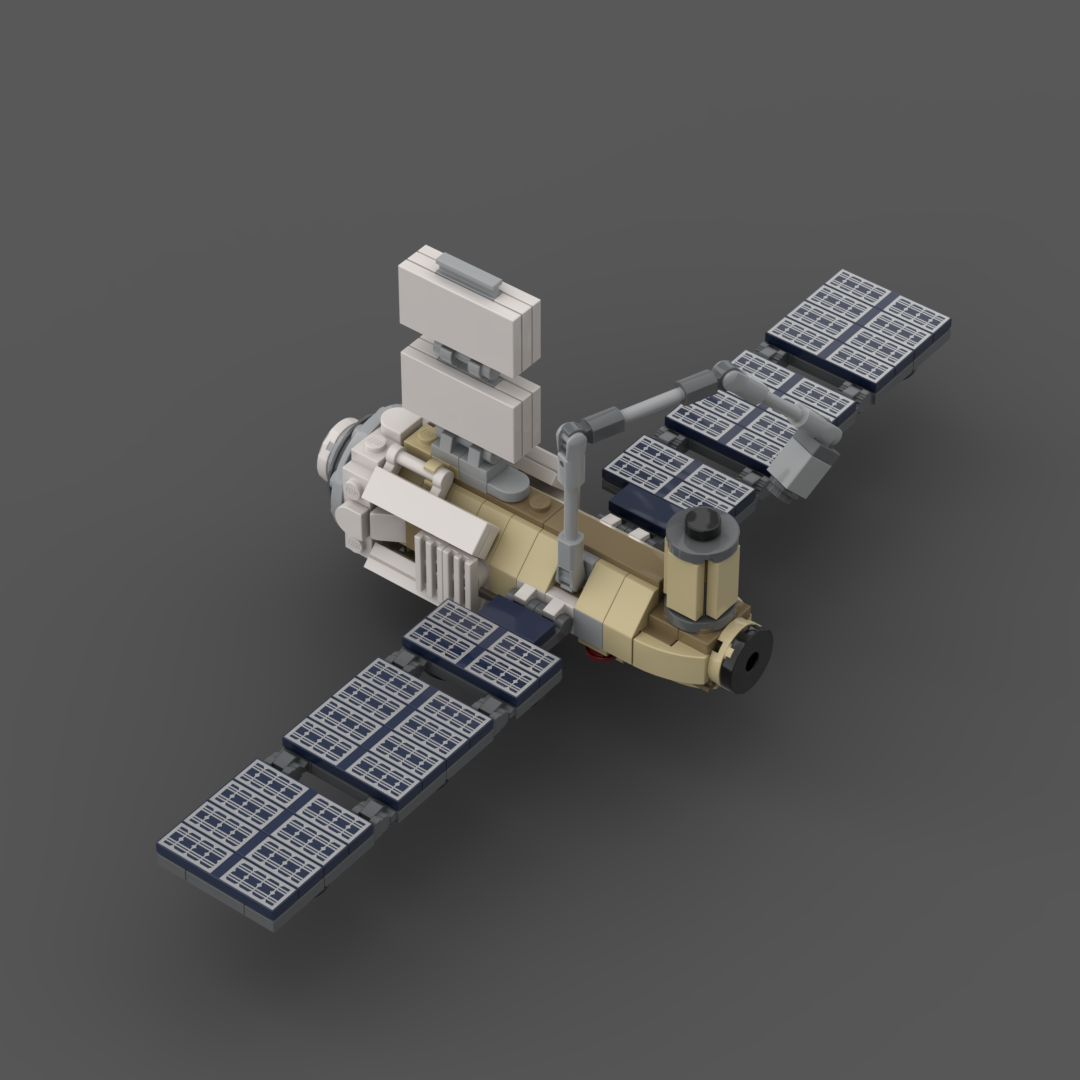
Nauka
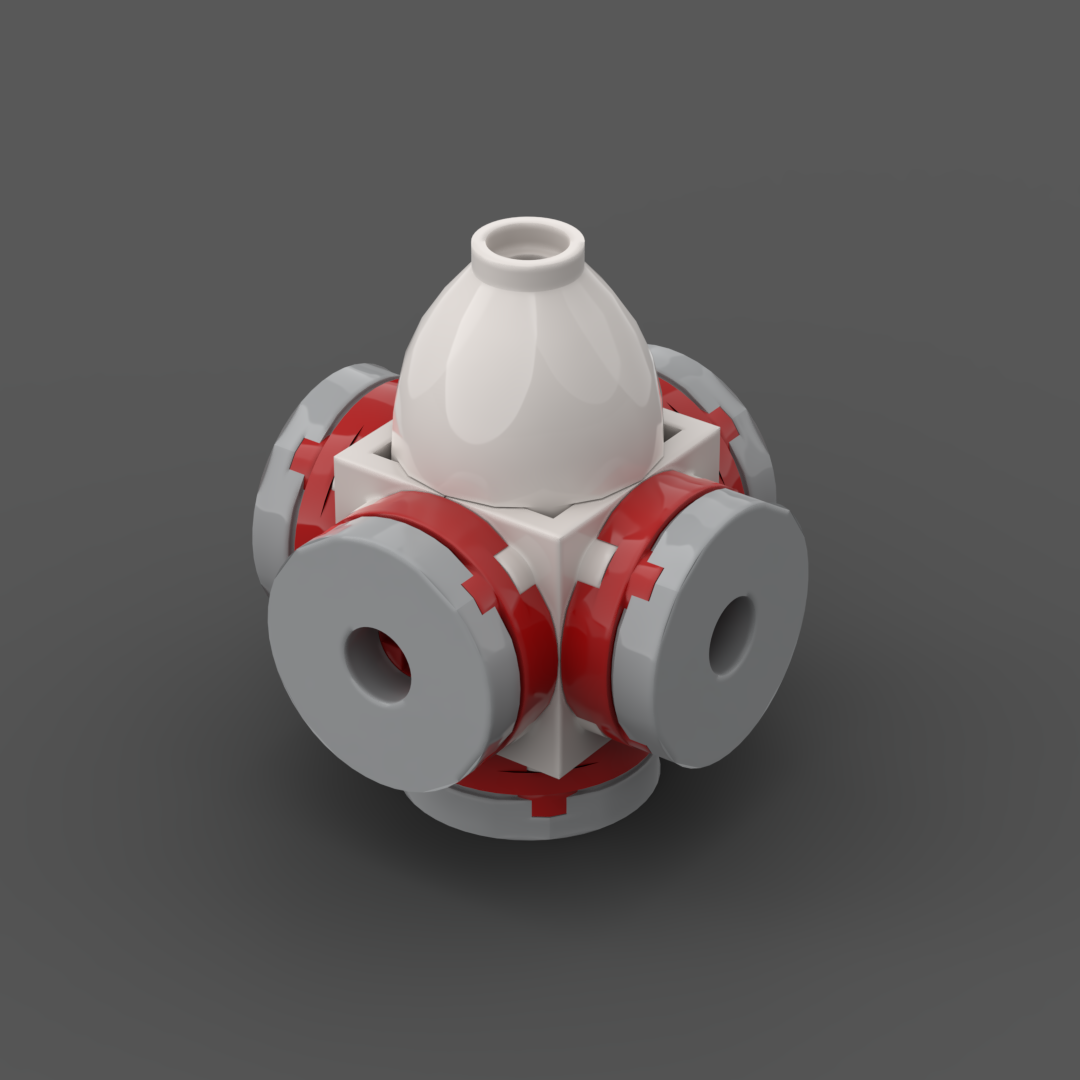
Prichal
The Science City
The ISS that emerged from assembly was not merely a structure but a laboratory, the only facility in existence capable of sustained microgravity research over periods of months or years, staffed by humans who could make observations, adjust experiments, and respond to unexpected results in real time.
More than 4,000 experiments have been conducted aboard the station. The range is extraordinary. Protein crystals grown in the station’s microgravity environment form larger and more perfect structures than any achievable on Earth, enabling analysis of molecular shapes that has led to drug development programmes targeting cancer, Duchenne muscular dystrophy, and Parkinson’s disease, a treatment based on station research is in clinical trials.
The Twins Study, comparing Scott Kelly’s physiology during a year in space with his identical twin brother Mark on the ground, produced a comprehensive dataset on the effects of long-duration spaceflight on gene expression, the immune system, and cognitive function.
The Alpha Magnetic Spectrometer, mounted on the station’s truss, has collected over 100 billion cosmic ray readings, the most comprehensive particle physics dataset ever assembled in orbit, hunting for evidence of dark matter and antimatter.
Fire burns differently in microgravity, without convection, flames form perfect spheres rather than elongated plumes, and the combustion chemistry changes in ways that have revealed previously unknown “cool flame” phenomena, where fuel continues to combust without visible flame. The implications for engine design and fire suppression systems are still being explored.
Water is recycled aboard the station at 93% efficiency, a closed-loop life support achievement that represents one of the most sophisticated environmental systems ever built, and which is directly relevant to any long-duration deep space mission that cannot resupply from Earth. Astronauts have grown chilli peppers, lettuce, bok choy, radishes, and over fifty other plant species, beginning to answer the question of whether humans can grow food in space, and whether they will want to eat it.
The medical knowledge accumulated across twenty-five years of continuous occupation has transformed the understanding of human physiology in extreme environments. The ocular syndrome that affects up to half of all long-duration astronauts, in which intracranial pressure causes measurable changes to eyeball shape and vision, was discovered on the station and is now one of the most actively researched challenges in space medicine. The countermeasures for bone and muscle loss developed on the station have already been adapted into treatments for osteoporosis patients on Earth. The station has served simultaneously as a laboratory for space exploration, a test facility for Mars mission planning, and a medical research platform for conditions that affect millions of people who will never leave the ground.
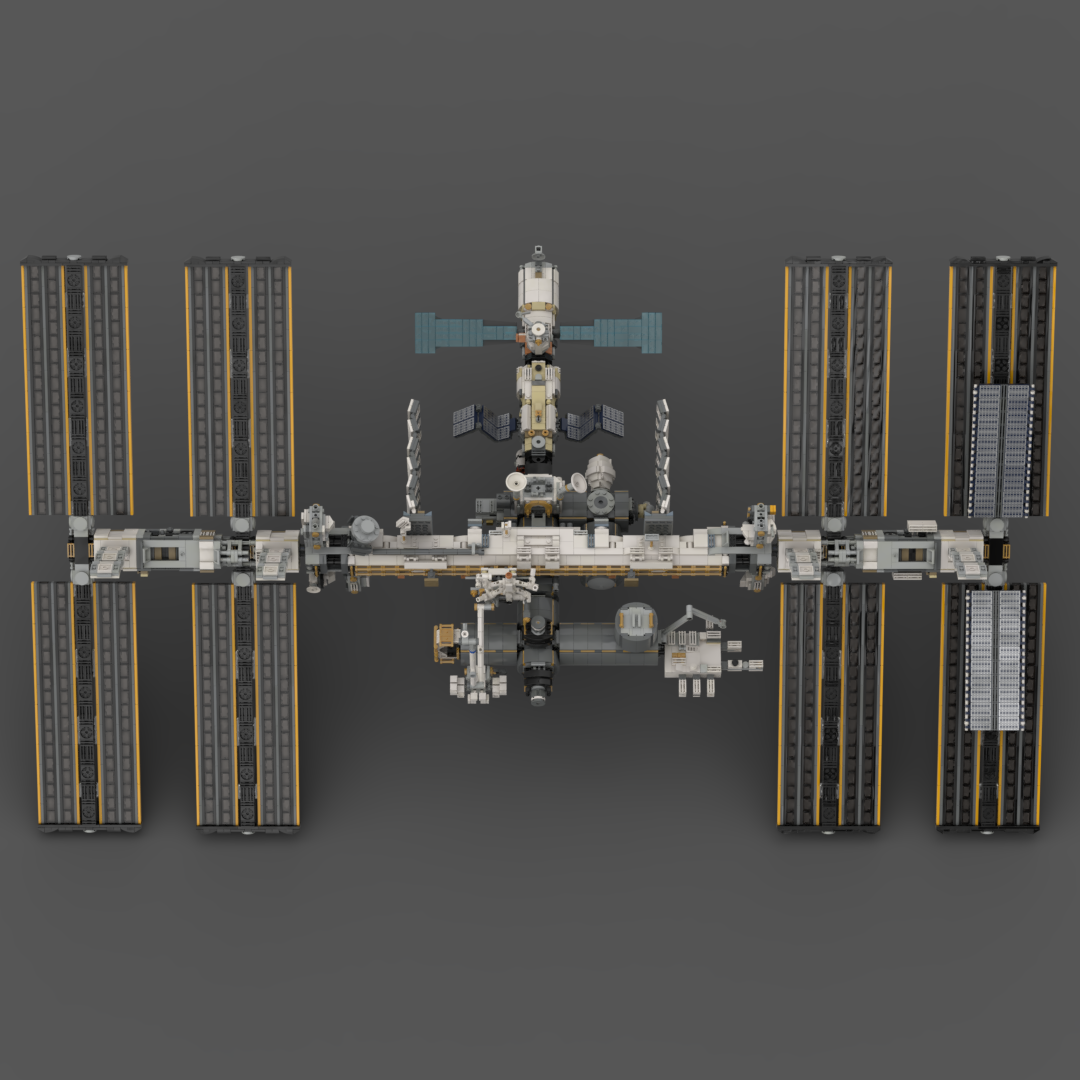
International Space Station (ISS)
International Space Station (ISS)
The Ships That Come and Go
A space station is only as useful as its ability to be reached, resupplied, and crewed. Over the ISS’s operational life, flights to the station have included eight different vehicle types from four continents, built across three decades, each one reflecting a different national approach to the same fundamental problem.
The Soyuz is the station’s oldest and most essential visitor, the longest operational crewed spacecraft programme in history, its basic design unchanged since 1967. Every Soyuz carries three crew members, launches from Baikonur, and lands under parachutes on the Kazakh steppe. The transit time has evolved considerably: the original two-day profile was replaced by a six-hour approach in 2013, and then by a two-orbit, three-hour ultrafast rendezvous first demonstrated on Soyuz MS-17 in 2020.
In October 2018, a booster separation failure during the launch of Soyuz MS-10 triggered the automated launch escape system, returning both crew members safely to Earth, the first in-flight abort since Soyuz 18a in 1975. Its uncrewed counterpart, Progress, has flown more than 90 resupply missions since 2000, delivering cargo and performing reboosts before departing loaded with waste for destructive reentry. Between them, these two vehicles kept the station alive during the years when nothing else could reach it.
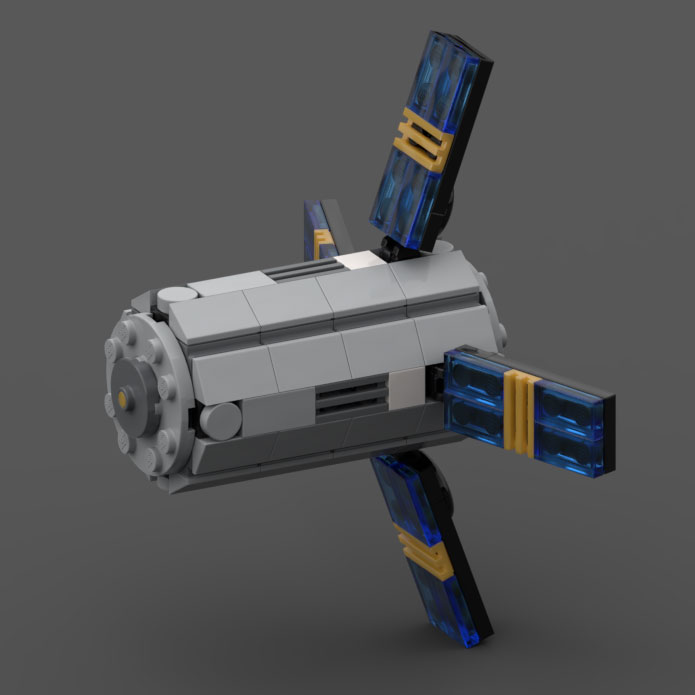
ESA’s Automated Transfer Vehicle flew five times between 2008 and 2014, each spacecraft named after a European scientific figure: Jules Verne, Johannes Kepler, Edoardo Amaldi, Albert Einstein, and Georges Lemaître. At up to 20 tonnes at launch and capable of carrying 7,667 kg of cargo, roughly three times a Progress, it was the largest spacecraft ESA ever built. The ATV docked autonomously to Zvezda’s aft port using a laser-based guidance system, performed orbital reboosts during its attached phase, and departed with waste for a controlled reentry over the South Pacific. ESA ended the programme after five flights, having used it to pay their share of station running costs.
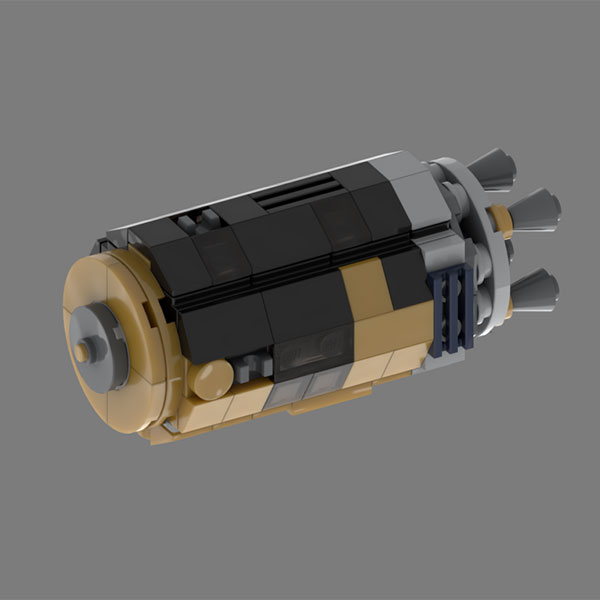
Japan’s HTV Kounotori, White Stork, flew nine times between 2009 and 2020. The name was chosen because a white stork carries an image of conveying important things. The HTV could carry 6,000 kg of cargo including large unpressurised items on an exposed external pallet that no other visiting vehicle could accommodate, captured by Canadarm2 rather than docking autonomously, launching from Tanegashima atop an H-IIB rocket.
On 25 May 2012, NASA astronaut Don Pettit grappled the first SpaceX Dragon with Canadarm2, the first time a private spacecraft had rendezvoused with the ISS. He radioed: “Houston, Station, we’ve got us a dragon by the tail.” Dragon is the only visiting vehicle capable of returning significant cargo to Earth intact, transforming how researchers design experiments. Crew Dragon’s first crewed flight launched on 30 May 2020, ending nine years in which NASA had no domestic crew transport capability. Cygnus, Northrop Grumman’s cargo freighter, has delivered more than 71,000 kg since 2013, and is uniquely the only ISS visiting vehicle to have launched on four different rockets, Antares variants, Atlas V, and Falcon 9, the last two necessitated when the Russian invasion of Ukraine disrupted its Ukrainian-built booster supply chain. Each Cygnus is named after an individual who contributed to human spaceflight.
Boeing’s Starliner completed its first crewed flight in June 2024, and then declined to bring its crew home. Thruster failures and helium leaks led NASA to return Butch Wilmore and Suni Williams on a Dragon after eight unplanned months aboard the station. Starliner returned to Earth uncrewed. In November 2025, for the first time, all eight docking ports were simultaneously occupied, two Dragons, a Cygnus, an HTV-X, two Soyuz, and two Progress vehicles clustered around a single outpost, representing half a century of human spaceflight technology at one address.
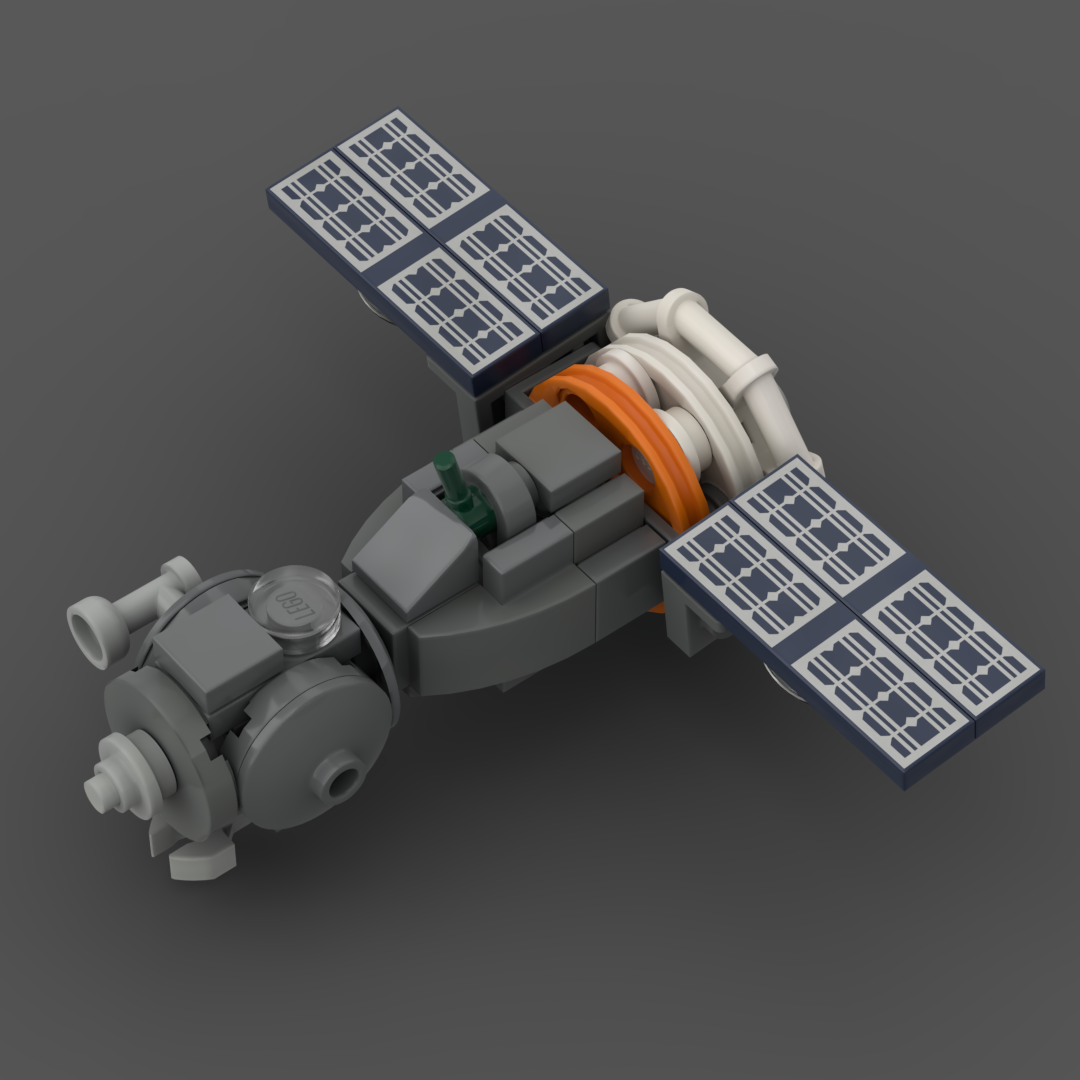
Soyuz
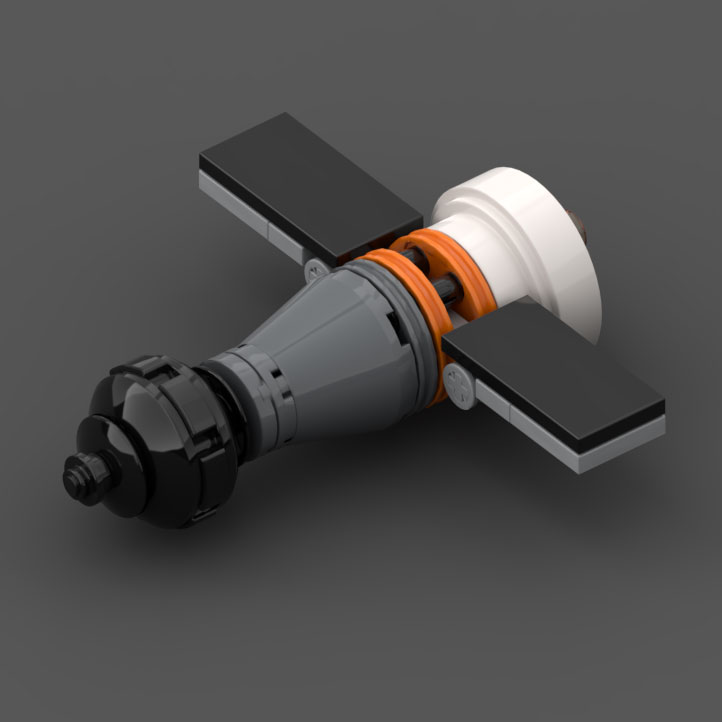
Soyuz / Progress
ATV
H-II Transfer Vehicle
H-II Transfer Vehicle
![Cygnus [enhanced]](https://bricksin.space/wp-content/uploads/2019/03/Cygnus_110_2020.png "Cygnus [enhanced]")
Cygnus [enhanced]
The Human Dimension
What the numbers and the science don’t capture is what it is actually like to live there. The station rotates once per orbit to maintain thermal equilibrium, which means the sun rises and sets every 45 minutes, sixteen sunrises per day. The cupola, a seven-windowed observation module added in 2010, offers a view of Earth that no photograph fully conveys. Astronauts who have looked through it describe the same involuntary response: silence, and a feeling that cannot quite be named.
The daily routine involves two hours of mandatory exercise, to fight the bone and muscle loss that begins within days of arrival in weightlessness, followed by science operations, maintenance, resupply management, communication with Mission Control, and the ordinary domestic details of a house that has no floor and no ceiling. Meals are taken floating at a table, the food anchored by Velcro and surface tension. Sleep happens in small personal cabins, in sleeping bags fixed to the wall, in a station that is never fully dark and never fully quiet, the life support systems run constantly, the fans and pumps producing a background hum that every crew member learns to sleep through and eventually stops hearing.
The station has hosted over 270 people from 21 countries over its operational life. Its longest-duration resident was Oleg Kononenko, who surpassed 1,000 days in space across multiple missions in 2024. Scott Kelly and Mikhail Kornienko spent a full year aboard together in 2015 and 2016, the most comprehensive single-mission physiological study ever conducted. Peggy Whitson commanded the station three times. Christina Koch spent 328 days on a single mission, the longest by a woman in history.
The relationships forged aboard the station have sometimes outlasted the geopolitical relationships between the nations that sent its crew. American astronauts and Russian cosmonauts who trained together, lived together, and trusted each other with their lives have maintained personal friendships through political crises that froze official cooperation. When Russia’s invasion of Ukraine in 2022 prompted the severance of most US-Russian space cooperation, the astronauts and cosmonauts on the station continued to operate it together, eat meals together, and hand over systems to each other at crew rotation. The partnership that had been built on trust was more durable than the politics.
The International Space Station cost approximately $150 billion to build and operate across its lifetime, the most expensive object ever constructed by human hands. It was saved by a single congressional vote. It was born from the collapse of the Soviet Union. Its first module was built from the hardware of a cancelled laser weapon. Its two halves were manufactured on opposite sides of the Iron Curtain and fitted together in orbit on the first attempt without a gap.
The station is scheduled for deorbit in 2030, when its structure will have reached the end of its engineered lifetime. What replaces it, whether commercial stations, national stations, or a new international partnership, is still being negotiated. The debates are political, financial, and technical simultaneously, which is exactly what they were in 1984 when Reagan first announced the programme that would eventually become this.